
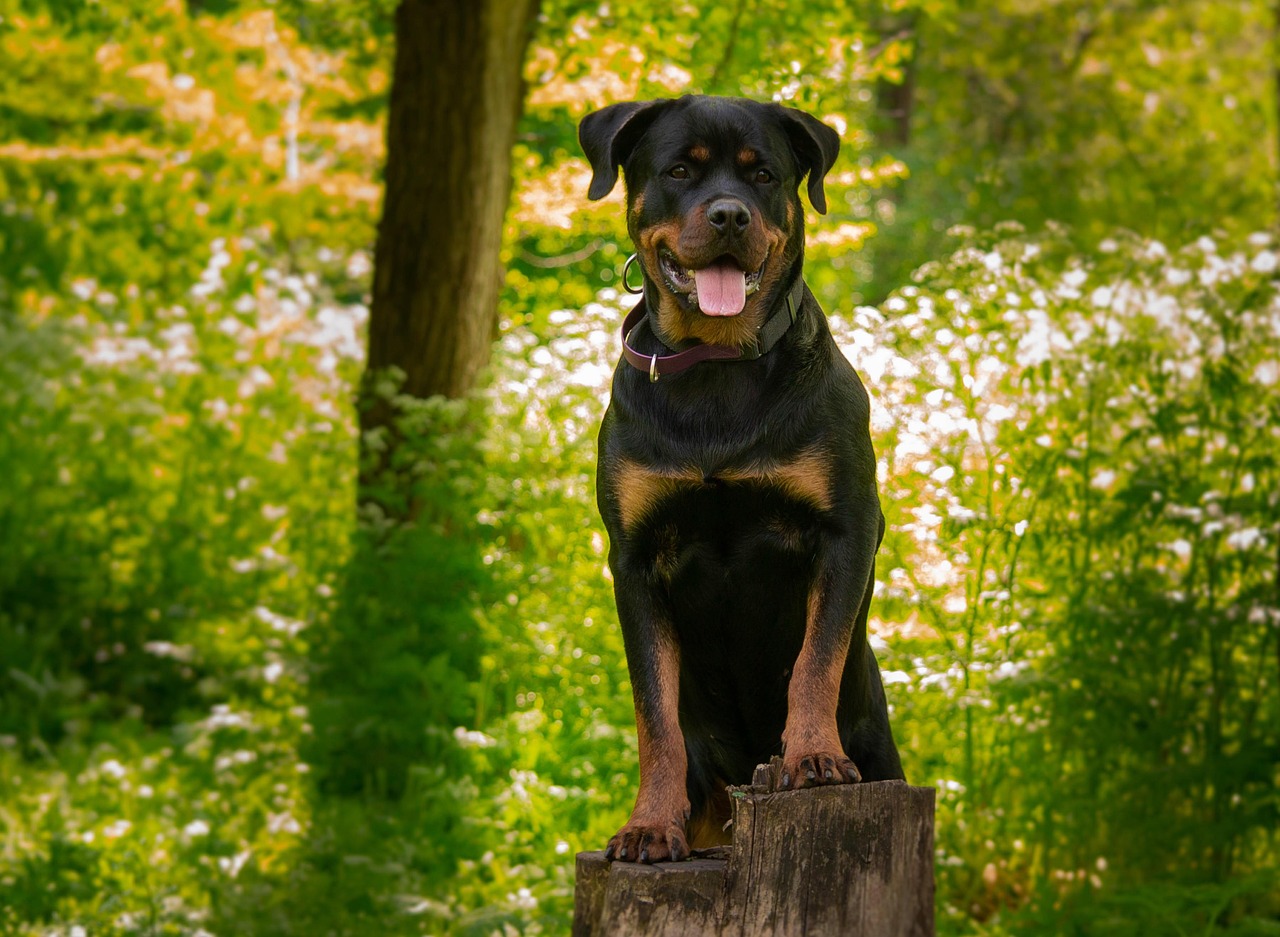
Extending Your Rottweiler’s Health and Longevity
Owning a Rottweiler comes with the joy of adding a loyal, protective, and affectionate member to your family. Renowned for their strength and intelligence, Rottweilers are a popular breed that can make great companions. However, as a Rottweiler owner, one of your main concerns might be how to enhance the health and longevity of your beloved pet. This article provides comprehensive guidance to ensure your Rottweiler lives a long and healthy life.
Understanding Your Rottweiler’s Health Needs
Rottweilers are generally healthy, but like all breeds, they are prone to certain health conditions. Being aware of these potential issues can help you prepare for or even avoid future complications. Health concerns such as hip dysplasia, elbow dysplasia, and heart issues like aortic stenosis are common within the breed. Regular check-ups with a veterinarian and preventive measures, such as dietary modifications and appropriate exercises, play a vital role in managing these conditions.
Optimal Nutrition for a Thriving Rottweiler
Dietary Requirements: Feeding your Rottweiler a well-balanced diet tailored to their specific age, weight, and health needs is crucial. High-quality dog food that doesn’t contain fillers but is rich in proteins can help maintain their muscular physique and overall wellness. Consult your vet to choose the best food that meets your Rottweiler’s nutritional requirements.
Hydration: Constant access to clean, fresh water is essential for your pet’s health. Dehydration can quickly lead to serious health issues, especially in large breeds like Rottweilers.
Choosing the Right Food:
When picking the food for your Rottweiler, consider brands that cater to the specific needs of large breeds. These foods often contain joint-supporting compounds like glucosamine and chondroitin, which can be beneficial for preventing joint diseases.
Regular Exercise to Maintain Optimal Health
Physical Activity: Rottweilers require regular exercise to prevent obesity—a condition that can exacerbate health problems such as arthritis and diabetes. Daily walks, coupled with structured play that promotes mental and physical well-being, are essential.
Mental Stimulation: Mental stimulation is just as important as physical activity. Training sessions, puzzle toys, and obedience games can help keep their mind sharp and prevent boredom-related behaviors.
Preventive Healthcare Measures
Regular Vet Visits: Routine veterinary care is imperative for maintaining your Rottweiler’s health. Regular check-ups can catch potential health issues before they become serious. Vaccinations, parasite control, and routine diagnostics like blood tests and x-rays are all part of a comprehensive health care regime.
Dental Care: Dental health is often overlooked in dogs. Regular brushing and veterinary dental checks can prevent diseases that might affect your Rottweiler’s overall health.
The Role of Genetics in Rottweiler Health
Understanding your Rottweiler’s genetic background can help you predict potential health issues. For example, genetic predispositions to diseases like hip dysplasia can be managed more effectively with early intervention. Discuss genetic testing with your vet to address inheritable conditions proactively.
Creating a Safe Environment
Your Rottweiler’s living environment plays a significant role in their health and longevity. Ensuring that your home and yard are safe and secure will prevent accidents and escape attempts. Remove hazardous objects and toxic plants that could be harmful to your pet.
Building a Bond for Better Health
The emotional connection you share with your Rottweiler can have a significant impact on their health. Stress and anxiety can affect physical health, so providing a loving and stable home is key. Training, socialization, and time spent together strengthen your bond and promote a well-adjusted, healthy dog.
Common Questions About Rottweiler Longevity
How long do Rottweilers typically live?
On average, Rottweilers live between 8 to 10 years. With excellent care, some can live longer.
What are the signs of aging in Rottweilers?
Signs of aging in Rottweilers include decreased activity levels, weight gain, potential hearing and vision loss, and more frequent health issues.
How can I make my aging Rottweiler more comfortable?
Provide a comfortable rest area with orthopedic support, maintain a moderate exercise routine, and keep a close check on their diet and health with regular vet visits.
Conclusion
Owning a Rottweiler is a rewarding experience that comes with the responsibility of ensuring their health and happiness. By understanding and catering to their specific needs, you can enhance their quality of life and enjoy many happy years together. Regular vet care, a balanced diet, ample exercise, and a loving environment are all keys to extending your Rottweiler’s health and longevity. Embrace the journey of pet ownership and watch as your Rottweiler thrives under your care and affection.