
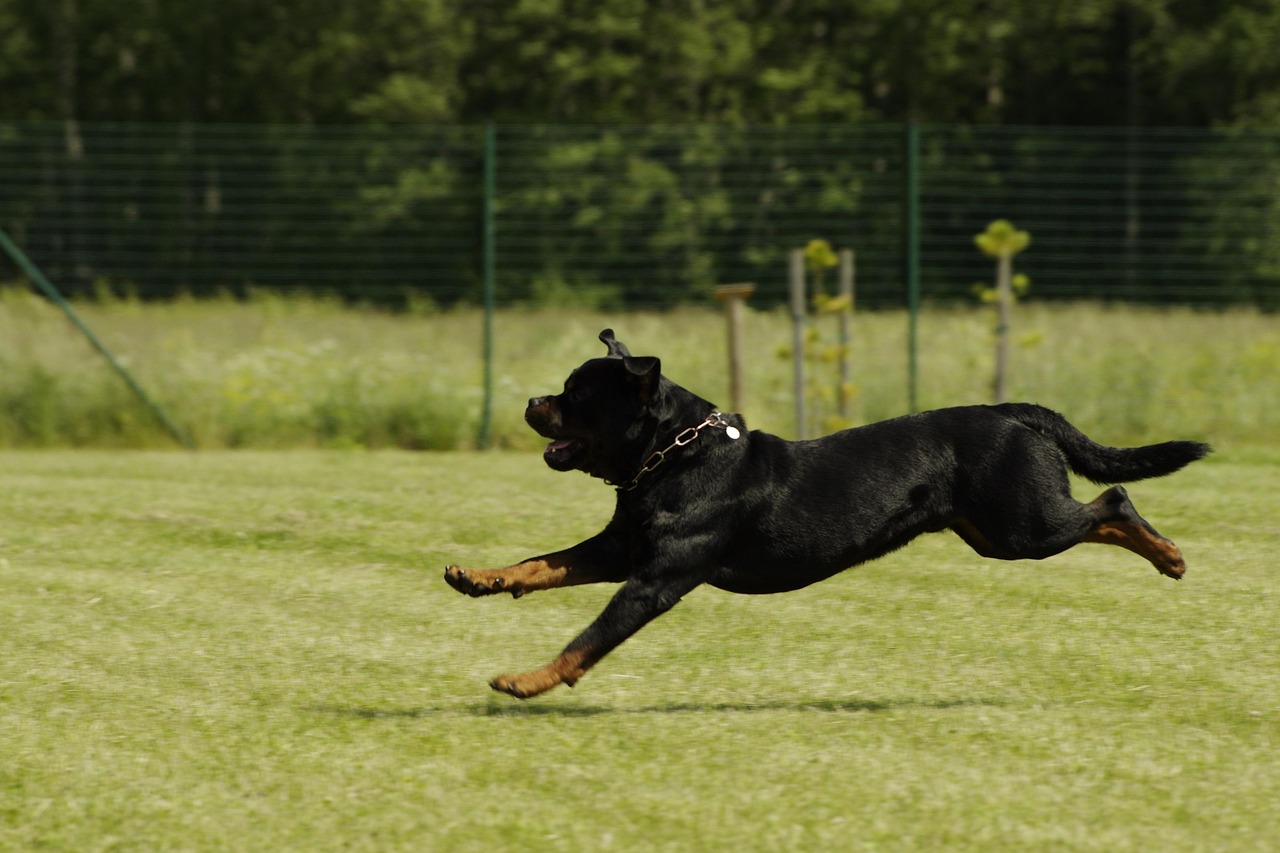
Mastering Crate Training: Essential Tips for Your Rottweiler
Crate training a Rottweiler can be an invaluable tool in the toolbelt of any dog owner. Training your furry friend to see their crate as a safe, comfortable space can help with everything from housebreaking to behavioral training and beyond. Rottweilers, known for their intelligence and loyalty, often excel in crate training when the right techniques are used. Here, we’ll explore the essentials of crate training your Rottweiler effectively, answering common questions and providing step-by-step tips to ensure you and your dog have a positive experience.
Understanding the Benefits of Crate Training
Crate training offers a myriad of benefits not only for puppies but also for adult dogs. For starters, crates mimic the natural den-like environment dogs instinctively seek for safety and comfort. When introduced properly, a crate becomes a safe haven for your Rottweiler, reducing anxiety during times when they might feel stressed.
Moreover, using a crate facilitates housebreaking, as dogs are naturally inclined to keep their sleep area clean. This can dramatically decrease the time it takes to potty train your dog. Crates also provide a way to keep your Rottweiler safe when you’re not home to supervise, preventing destructive behaviors or potential hazards from chewing on electrical cords or toxic plants.
Selecting the Right Crate
Choosing the correct crate is crucial for successful crate training. Size matters—your Rottweiler should have enough room to stand up, turn around, and lie down comfortably, but not so much space that they can eliminate at one end and sleep at the other. Typically, a 48-inch crate works well for fully-grown Rottweilers.
There are several types of crates available:
- Wire crates: Offer good ventilation and the ability to see out, making them a popular choice.
- Plastic crates: Provide a more enclosed environment, which can feel cozier for some dogs.
- Soft-sided crates: Lightweight and portable, though not suitable for puppies or dogs who might chew the fabric.
Introducing Your Rottweiler to the Crate
Introducing your Rottweiler to their new crate should be a gradual, positive experience. Start by placing the crate in a common living area with the door open so your dog can explore it at their leisure. Make the inside inviting with a comfortable bed and some of their favorite toys.
To encourage your Rottweiler to enter the crate, use positive reinforcement:
- Place treats inside the crate and praise them when they go in to retrieve them.
- Feed them their regular meals near, and then inside, the crate to create a positive association.
- Start with short sessions and gradually increase the time as your dog becomes more comfortable.
Training Sessions and Duration
Once your Rottweiler is comfortable entering the crate, begin closing the door for short periods while you are home. Start with 5-10 minutes and gradually increase the duration as they grow more accustomed to being in the crate. Always return before they become distressed, to reinforce that the crate is a safe place, not somewhere they are confined to out of punishment.
Avoid leaving your Rottweiler in the crate for too long. Puppies typically can hold their bladder for one hour for every month of age, so adjust accordingly based on your dog’s age and ability.
Common Challenges and Solutions
While many Rottweilers take to crate training well, challenges can arise:
- Whining or crying: This can be a sign of anxiety or the need to eliminate. Initially, ensure they have gone to the bathroom before crating and return to comfort them if they continue to cry.
- Resistance to entering the crate: If your Rottweiler seems hesitant or fearful, take a step back in the training process, and slow down. Make sure you’re using lots of positive reinforcement and not forcing them into the crate.
Tips for Ongoing Crate Training Success
To help maintain a positive crate training experience, follow these tips:
- Keep crate training sessions short and sweet.
- Provide ample exercise and mental stimulation for your Rottweiler outside the crate.
- Use the crate consistently but sparingly—don’t overuse it or use it as punishment.
- Periodically refresh the crate’s appeal by including new toys or treats.
Conclusion
Crate training your Rottweiler requires patience, persistence, and consistency. By following these tips and understanding your dog’s needs, you can help foster a sense of security and safety that benefits both your pet and your household. Remember, the crate is not just a training tool—it’s your Rottweiler’s personal space where they should feel secure and comfortable.