Understanding Rottweiler Temperament: Insights into Their Loyal and Protective Nature
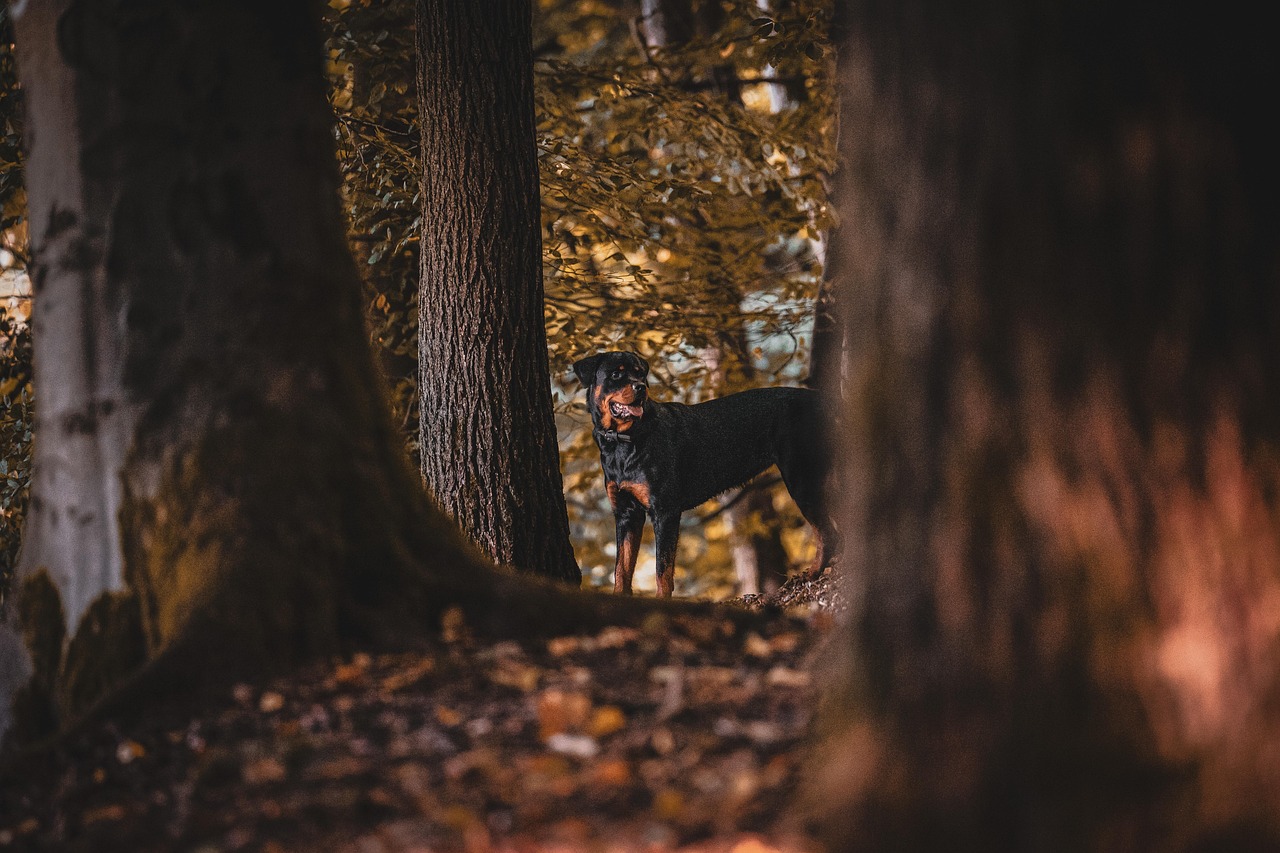
The Rottweiler, often abbreviated as “Rottie,” is a breed that frequently evokes a strong image—an imposing, powerful dog with a deep bark and an unwavering sense of loyalty. Known for their confidence and intelligence, Rottweilers have carved a niche as one of the premier guard dogs in the world. However, there’s much more to a Rottweiler’s temperament than meets the eye. This article delves deep into the loyal and protective nature of Rottweilers, demystifying common stereotypes, and providing insights for current and prospective Rottweiler owners.
The Historical Background of Rottweilers
Rottweilers have a rich history that significantly shapes their temperament. Originally bred in the Roman Empire, they were used to herd livestock and pull carts laden with butchered meat to market. After the Romans, these dogs were primarily found in Rottweil, a town in Germany, which gave the breed its name. Their history as working dogs has ingrained a high level of intelligence and a strong work ethic in the breed, making them not just protective but also versatile and trainable.
The Core Temperament Traits of a Rottweiler
Loyalty and Protective Instinct
Rottweilers are renowned for their unwavering loyalty to their owners, making them excellent family pets and guardians. Their natural protective instinct is profound, which means they are always vigilant and ready to defend their family if necessary. This protective nature makes them exceptional guard dogs but also necessitates comprehensive socialization and training to ensure they can discern between normal and threatening scenarios.
Intelligence and Trainability
Rottweilers are highly intelligent, ranking in the top ten of canine IQ charts. This intellect makes them exceptionally trainable. They excel in various roles, including police, military, and service jobs, adapting quickly to high-level training regimes. For Rottweiler owners, it’s important to engage them with continuous mental and physical challenges to keep them content and well-balanced.
Reserved Demeanor
Unlike some breeds that immediately express gregarious and outgoing personalities, Rottweilers often exhibit a reserved nature, especially around strangers. They tend to assess situations and people before showing affection. Early and consistent socialization is crucial to help them become well-adjusted and friendly adult dogs.
Addressing Common Questions about Rottweilers
Are Rottweilers Good Family Dogs?
Yes, Rottweilers can be excellent family dogs if raised correctly. They are naturally gentle and protective of the family’s children, provided they have been socialized early and trained properly. The bond they form with family members is strong and enduring, showcasing their innate loyalty.
How Do Rottweilers Behave Around Strangers?
Rottweilers are naturally wary of strangers, which is a trait deeply embedded in their character as guard dogs. However, with adequate training and socialization from a young age, they can learn to be calm and polite around new people. It’s crucial for Rottweiler owners to introduce their dogs to a variety of environments and people to minimize overly protective behavior.
Is It Difficult to Train a Rottweiler?
Given their high intelligence and eagerness to please, Rottweilers are generally not difficult to train for experienced dog owners. They respond best to positive reinforcement techniques such as praise, treats, and play. Consistency and patience are key in harnessing their intelligence in a productive way.
Tips for Prospective Rottweiler Owners
- Begin Early: Start training and socializing your Rottweiler at an early age to shape a well-mannered adult dog.
- Establish Leadership: Rottweilers thrive in an environment where they understand their role. Effective leadership helps prevent behavioral issues stemming from dominance.
- Regular Exercise: Adequate physical activity is crucial for Rottweilers to prevent boredom and destructive behavior. Engage them in activities like walking, hiking, or fetching games.
- Health Check-Ups: Regular vet visits are essential to monitor and maintain their health, as Rottweilers are prone to certain genetic conditions such as hip dysplasia.
Conclusion
Understanding the temperament of Rottweilers is key to experiencing the full joy and companionship they offer. While they may present an aura of toughness, beneath that lies a loyal, intelligent, and protective breed eager to be part of a loving family. With appropriate training, socialization, and care, Rottweilers prove to be more than just guard dogs—they are faithful and affectionate companions with a rich history of loyalty. Embracing their protective nature with a balanced approach to training and socialization can lead to a rewarding relationship with these magnificent dogs.
Whether you’re a seasoned Rottweiler owner or considering bringing one into your family, understanding and respecting their natural instincts while providing firm, loving guidance, will allow you to cherish the many facets of the Rottweiler temperament.