
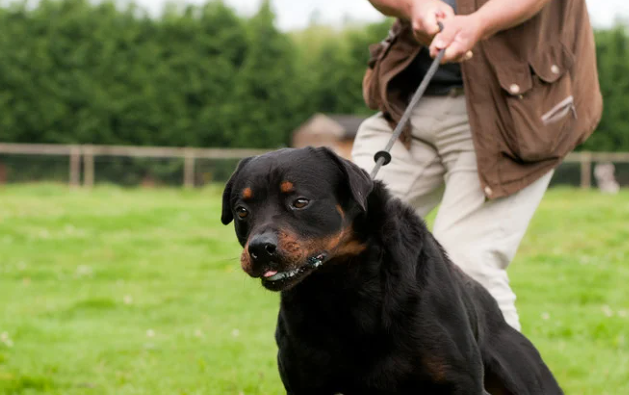
Few breeds command as much respect and admiration as the Rottweiler. With a stance that radiates confidence and eyes that reflect deep loyalty, the Rottweiler is a fascinating blend of power and devotion. But beyond their muscular frame lies a personality rich in emotion, intelligence, and steadfast companionship.
Understanding the true essence of the Rottweiler requires more than surface-level impressions. It’s about discovering how their natural instincts, history, and environment shape them into one of the most balanced and loyal breeds on earth.
The Origins of the Rottweiler’s Temperament
To understand the Rottweiler temperament, it helps to look back at their roots. These dogs trace their lineage to the Roman Empire, where they drove cattle and guarded armies during long marches. Centuries later, in the German town of Rottweil, they became indispensable for protecting livestock and pulling butcher carts.
This working heritage shaped their character. A Rottweiler’s strength and courage were born from necessity. They learned to make decisions independently, stay calm under pressure, and protect what mattered most — their people and their purpose.
Those ancient instincts still live within modern Rottweilers. Their calm confidence, natural guardianship, and sense of duty are echoes of a time when their loyalty could mean survival.
Loyalty at the Core: The Rottweiler’s Heart
If there’s one word that captures the Rottweiler temperament, it’s loyalty. Once they bond with you, their devotion runs deep. They’ll watch over your home, follow you from room to room, and rest their massive head on your knee just to feel close.
This loyalty also means they crave your companionship. Rottweilers are not dogs that thrive on isolation. They need daily interaction, clear direction, and consistent affection. When they feel part of the family, they blossom into calm, confident protectors who balance tenderness with strength.
Imagine them as the steadfast friend who never wavers — the one who’ll stand by your side through life’s storms. That’s a Rottweiler at their core.
Confidence, Not Aggression: The Rottweiler’s True Nature
A common misconception about Rottweilers is that they’re aggressive or unpredictable. In truth, a well-bred, well-socialized Rottweiler is the picture of self-assurance. They don’t act out of fear or impulsiveness. Instead, they observe first and act only when necessary.
Confidence in a Rottweiler looks like calm stillness — not barking wildly at every sound, but assessing with quiet intelligence. When trained properly, they know how to discern between a genuine threat and a harmless situation.
Aggression, on the other hand, is often the result of poor breeding or inadequate training. When a Rottweiler is given structure and positive guidance, they’re remarkably gentle, even with children and smaller animals.
Their strength doesn’t lie in their bite force — it lies in their restraint.
The Role of Socialization in Temperament Development
Rottweiler temperament is a reflection of experience. The earlier and more positively they’re exposed to people, animals, and environments, the more balanced they become.
Puppyhood is the critical window for shaping behavior. Between 8 and 16 weeks, your Rottweiler is forming their worldview. Introduce them to strangers, other dogs, and varied surroundings during this time.
Positive encounters teach them to trust instead of fear. A Rottweiler that learns the world is safe grows into an adult who’s composed and confident — not reactive or defensive.
Socialization doesn’t stop after puppyhood. Ongoing exposure, like park visits, obedience classes, and neighborhood walks, helps maintain emotional stability throughout their life.
Training a Rottweiler: Respect Over Dominance
Training a Rottweiler isn’t about asserting dominance — it’s about building mutual respect. They’re highly intelligent and respond best to consistent, fair, and patient leadership.
Positive reinforcement is your best friend here. Reward calm, obedient behavior with treats or praise. Avoid harsh punishment, as it damages trust and can trigger anxiety or defiance.
Keep sessions short and engaging. Rottweilers enjoy solving problems, so mix obedience drills with interactive games. Teaching them commands like “stay,” “leave it,” and “heel” not only builds discipline but strengthens your bond.
Think of training as a conversation, not a confrontation. The goal isn’t to control your Rottweiler — it’s to guide them toward self-control.
The Protective Instinct: A Calm Guardian
Rottweilers are natural protectors. Their instinct to guard stems from centuries of working alongside humans as defenders of property and livestock. But unlike many breeds, their protection isn’t born of fear — it’s born of love and responsibility.
A well-trained Rottweiler doesn’t act impulsively. They remain composed, observing before responding. Their protective instinct means they’ll step forward only when they sense a real threat.
To nurture this balance, expose them to normal household activities early. Let them see that guests, mail carriers, and neighbors are part of everyday life. This helps prevent unnecessary reactivity while preserving their natural watchfulness.
The result? A Rottweiler who protects quietly and confidently, rather than one who reacts out of fear.
Balancing Energy: Exercise and Mental Stimulation
Despite their sturdy build, Rottweilers are surprisingly agile. They need consistent exercise to stay healthy and mentally balanced. Without it, they can become restless or destructive.
Daily walks, play sessions, and structured activities like agility or obedience classes keep their bodies fit and minds sharp. Mental stimulation is equally important. Puzzle feeders, scent games, and obedience drills challenge their intelligence and prevent boredom.
A tired Rottweiler is a content Rottweiler. Exercise isn’t just physical — it’s emotional. When they expend energy, they’re calmer, more focused, and easier to train.
Think of exercise as the pressure valve that releases pent-up energy and keeps your companion peaceful.
Common Misconceptions About Rottweilers
Rottweilers often face unfair stereotypes due to media portrayals or irresponsible ownership. Let’s debunk a few myths:
Myth 1: Rottweilers are aggressive by nature.
Fact: Properly socialized Rottweilers are calm, confident, and stable. Aggression stems from poor training, not genetics.
Myth 2: They can’t live with children.
Fact: Rottweilers are loving family dogs when trained to be gentle and respectful around kids.
Myth 3: They require harsh discipline.
Fact: Positive reinforcement and structure work far better than force or punishment.
Myth 4: They’re too serious to be affectionate.
Fact: Rottweilers are deeply affectionate — they just express it with quiet devotion instead of constant excitement.
Understanding these truths allows more people to appreciate the Rottweiler for what they truly are — loyal, intelligent, and loving companions.
Raising a Well-Rounded Rottweiler: Tips for Owners
To bring out the best in your Rottweiler, you need to balance structure, love, and engagement.
- Start early: Begin socialization and obedience training as soon as possible.
- Stay consistent: Set clear rules and stick to them.
- Be confident: Rottweilers look to you for leadership. Show calm authority, not anger.
- Keep them engaged: Challenge their minds and bodies daily.
- Provide companionship: They thrive when they feel part of the family.
By investing in these principles, you’ll shape a Rottweiler who embodies strength, balance, and unwavering loyalty.
Conclusion
Unlocking the true essence of the Rottweiler means seeing beyond muscle and might. At their heart, they are loyal guardians, affectionate family members, and intelligent thinkers.
Their strength is not in aggression but in restraint. Their loyalty is not in obedience alone but in emotional connection. When given love, guidance, and purpose, the Rottweiler becomes more than a pet — they become your most loyal friend.
To truly understand them is to earn a companion whose courage is matched only by their heart.
FAQ
1. Are Rottweilers good with children?
Yes. When socialized early, Rottweilers are protective and gentle with children, making them excellent family companions.
2. Do Rottweilers get along with other pets?
Yes, especially when introduced properly. Early socialization ensures peaceful coexistence with other animals.
3. How much exercise does a Rottweiler need?
They need about 60–90 minutes of daily physical activity, plus mental stimulation to stay balanced.
4. Are Rottweilers difficult to train?
Not at all. They’re intelligent and eager to please. Consistency and positive reinforcement yield excellent results.
5. What’s the key to a well-behaved Rottweiler?
Early training, socialization, and strong leadership rooted in calm confidence are essential for success.