
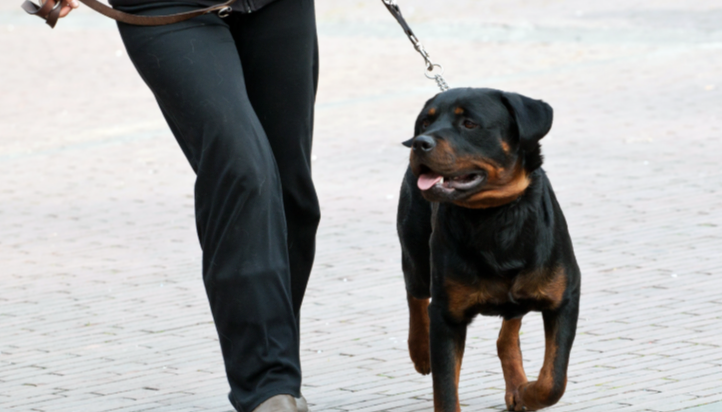
If you’ve ever found yourself being dragged down the street by an enthusiastic dog, you know how stressful walks can become. Teaching polite leash walking isn’t just about control — it’s about connection. It turns chaotic outings into calm, shared experiences built on trust and focus.
When your dog learns to walk politely beside you, walks become more enjoyable, safer, and a wonderful way to strengthen your bond. Let’s explore how to make that happen in simple, practical steps.
Why Polite Leash Walking Matters
Good leash manners go beyond obedience. They reflect communication and mutual respect between you and your dog.
Dogs naturally walk faster than humans, so pulling isn’t defiance — it’s instinct. Without guidance, they simply move at their own pace. Teaching polite leash walking helps your dog learn that walking calmly beside you is rewarding.
It also prevents injuries to both of you, reduces frustration, and keeps your dog mentally balanced. A calm walk is more than exercise — it’s shared mindfulness.
With patience and structure, any dog — large or small — can learn to stroll politely instead of pull with power.
Preparing for Training Success
Before training begins, set your dog up for success. Dogs learn best when they’re calm, focused, and motivated.
- Exercise first: Let your dog burn off excess energy through play or a quick run before leash training.
- Stay calm: Your energy sets the tone. A relaxed leader inspires a relaxed follower.
- Pick a quiet area: Start indoors or in your yard where distractions are minimal.
- Have treats ready: Use small, soft rewards for good behavior — they’ll keep your dog engaged and eager to learn.
Once your dog is calm and attentive, you’re ready to begin.
Step-by-Step Guide to Teaching Leash Manners
Teaching polite leash walking takes consistency, but it’s easier than you might think. Follow these simple steps to transform your walks.
Step 1: Start Indoors or in a Quiet Area
Begin where distractions are low. Attach the leash and let your dog move freely beside you. Use calm praise or treats whenever they stay near your side without pulling.
This teaches them that proximity and calmness lead to rewards. Practicing in a familiar, quiet place builds focus before moving into stimulating environments like sidewalks or parks.
Step 2: Reward Calm Behavior Early
Dogs repeat what’s rewarding. The moment your dog walks beside you without tension, mark it with “Yes!” or “Good!” and reward immediately.
If they forge ahead, stop walking. Wait quietly. When the leash slackens, praise and move forward again. This “cause and effect” approach helps them learn that pulling stops progress — calm walking moves it forward.
Over time, your dog begins to adjust naturally to your pace.
Step 3: Use Short, Focused Sessions
Training doesn’t need to last an hour. Ten to fifteen minutes of focused practice is more effective than long, unfocused walks.
End each session on a positive note, even if progress feels small. Consistency beats intensity. Repetition builds habit, and habit becomes second nature.
Step 4: Teach the “Stop and Go” Rule
The “Stop and Go” rule is simple but powerful.
- If your dog pulls: Stop immediately. Don’t jerk or scold. Wait until they relax.
- If the leash loosens: Say “Let’s go” and continue walking.
This teaches your dog that pulling gets them nowhere, while walking calmly earns movement and praise.
Think of it as turning the walk into a silent conversation — your dog learns to listen and respond to your pace and cues.
Step 5: Practice Focus and Direction Changes
Dogs love routine, so shake things up to keep them engaged. Every few minutes, change direction or pace. Say “This way!” and move left or right.
This teaches your dog to pay attention to you rather than the environment. When they follow smoothly, reward immediately.
Adding focus games — like asking your dog to make eye contact for a treat — helps reinforce attention and connection.
With time, your dog will begin checking in with you naturally, turning walks into synchronized teamwork instead of tug-of-war.
Choosing the Right Equipment
Good leash training starts with the right tools. While training, use gear that encourages guidance, not force.
Recommended options:
- Front-clip harness: Redirects pulling gently toward you.
- Standard leash (4–6 feet): Provides control and clear communication.
- Flat collar: Comfortable for everyday use if your dog doesn’t pull.
Avoid retractable leashes during training. They teach your dog that tension leads to more freedom, reinforcing the very behavior you’re trying to stop.
Remember, tools assist training — they don’t replace it. Calm leadership is the most effective equipment you can use.
Staying Consistent and Patient
Consistency is the key to success. Every walk is a training opportunity. If you let pulling slide one day, your dog learns that rules are optional.
Keep expectations clear and your tone positive. Celebrate small victories — even five calm steps deserve praise.
Patience matters. Dogs learn at their own pace. What feels like slow progress today becomes steady improvement tomorrow. Stay confident, and your dog will mirror your calm persistence.
Turning Walks Into Bonding Time
Once leash manners take root, walks become more than training — they become connection. Each walk strengthens trust, communication, and mutual understanding.
Talk to your dog. Praise them. Let them sniff and explore within boundaries. Dogs experience the world through scent, and allowing time for curiosity turns walks into joyful adventures.
Walking side by side builds teamwork and reinforces your bond. It’s not about control; it’s about cooperation. When walking becomes a shared rhythm, both of you win.
Conclusion
Teaching polite leash walking doesn’t require fancy tools or strict commands — it requires patience, clarity, and connection.
By rewarding calmness, using consistent cues, and maintaining steady leadership, your dog learns that walking beside you is the best place to be.
Soon, walks will shift from chaotic to calm, from frustrating to fulfilling. You’ll find peace in the rhythm of your steps — two partners moving forward together, side by side, one calm stride at a time.
FAQ
1. How long does it take to teach polite leash walking?
With daily practice, most dogs show improvement within 2–4 weeks, depending on age and temperament.
2. Should I correct my dog for pulling?
Avoid harsh corrections. Instead, stop walking and reward calm, loose-leash behavior to teach self-control.
3. Can older dogs learn polite leash walking?
Yes. Dogs of all ages can learn with patience, structure, and consistent reinforcement.
4. How often should I train leash manners?
Short, focused sessions once or twice a day work best for maintaining your dog’s attention and focus.
5. What should I do if my dog gets distracted during walks?
Use direction changes or focus cues like “look at me.” Reward when they re-engage with you calmly.