Walking a powerful dog can be a thrilling experience — until it feels like you’re being towed down the street. If your dog’s strength constantly pulls you off balance, you’re not alone. Many owners of large or energetic breeds face the same challenge.
The good news? Leash manners for strong dogs aren’t about overpowering your pet — they’re about creating communication, structure, and mutual respect. With patience and practice, even the most muscular dog can learn to walk calmly by your side.
Let’s break down how to transform your leash battles into peaceful, enjoyable walks that strengthen your bond and build trust.
Understanding Why Strong Dogs Pull
Before you can fix the problem, it’s important to understand why it happens. Dogs pull for several reasons — and it’s rarely out of defiance.
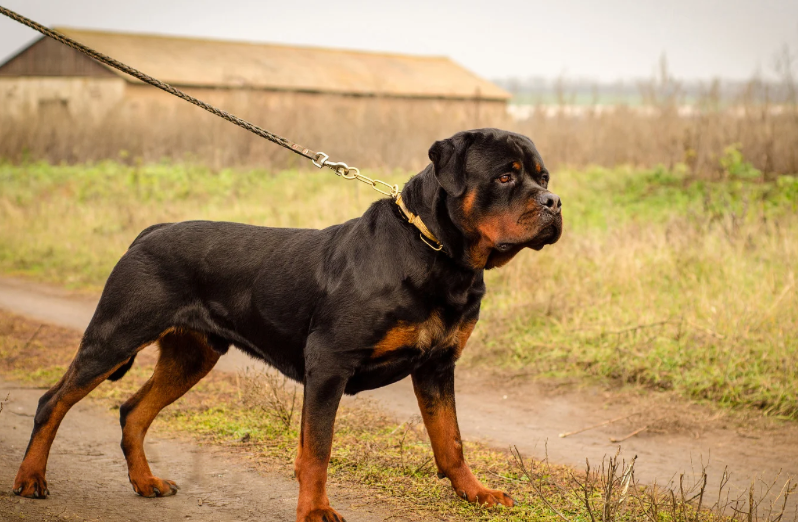
Some dogs pull because they’re excited and eager to explore. Others pull because they have too much energy or simply haven’t been taught proper leash behavior. Strong breeds like Rottweilers, Huskies, and Pit Bulls were often bred for tasks that involve pulling — carts, sleds, or resistance work — so the instinct runs deep.
Another key factor is reinforcement. Every time your dog pulls and gets to move forward, they learn that tension on the leash gets them what they want. Over time, this becomes a habit.
Understanding this gives you power. It’s not about dominance or control — it’s about teaching your dog a new way to move with you, not against you.
The Foundation of Leash Manners
Great leash manners begin before you even step outside. Dogs mirror your energy, so calm leadership starts at home.
Before every walk, wait until your dog is relaxed. If they’re bouncing with excitement or whining near the door, pause. Don’t clip on the leash until they’re calm. That simple act teaches patience and focus.
Next, use structure as your foundation:
- Have your dog sit before you open the door.
- You step out first, signaling that you lead the walk.
- Start slow, using short pauses to reset focus when needed.
These pre-walk routines create predictability, which helps strong dogs feel secure and grounded. A calm start sets the tone for a calm walk.
Training Techniques That Build Control
Teaching leash manners for strong dogs takes time and consistency. Start by focusing on one key goal: loose-leash walking. The leash should form a soft “J” shape — not a tight line.
Here’s how to train it step by step:
- Begin in a low-distraction area. Indoors or in your yard is ideal.
- When your dog pulls, stop moving. Stand still. Don’t yank or scold — just wait.
- When the leash loosens, reward immediately. Use treats, praise, or calm verbal encouragement.
- Repeat. Every time they pull, stop. Every time they relax, move forward.
At first, this process might feel slow. But with consistency, your dog learns that pulling gets them nowhere — and staying near you earns progress.
You can also incorporate direction changes to keep their focus. Turn around or shift left and right at random. It forces your dog to pay attention instead of charging ahead.
Make training sessions short, upbeat, and rewarding. Strong dogs respect clarity — and repetition builds mastery.
Tools That Support Better Leash Behavior
While training is the real solution, the right equipment can make the process safer and more effective.
Recommended tools include:
- Front-clip harness: Redirects pulling by turning your dog toward you instead of forward.
- Head halter: Offers gentle control over the head, useful for powerful breeds when introduced properly.
- Standard leash (4–6 feet): Avoid retractable leashes, which encourage pulling and lack feedback.
Avoid choke chains or prong collars unless guided by a professional trainer. These tools can cause pain or injury when used incorrectly, leading to fear-based reactions instead of trust.
Choose gear that supports guidance, not punishment. The goal is teamwork, not domination.
The Role of Body Language and Energy
Dogs are experts at reading body language — yours and theirs. They sense tension instantly, and your emotional state directly affects their behavior.
If you grip the leash tightly, hunch forward, or show frustration, your dog interprets it as pressure. That tension fuels pulling. Instead, maintain a relaxed posture. Keep your shoulders back, hold the leash lightly, and move with confidence.
Your calm energy communicates leadership. Speak in a steady tone and avoid sudden corrections or shouting. Strong dogs respond to steady authority, not emotional reactions.
In moments of distraction — like passing another dog or squirrel — redirect attention early. A simple “let’s go” or gentle tap can bring focus back to you before pulling begins.
Leash manners start with leadership — and leadership starts with calm energy.
Common Mistakes to Avoid During Leash Training
Even well-intentioned owners make mistakes that reinforce pulling without realizing it.
1. Letting your dog lead the walk.
If they always choose the direction and pace, they’ll assume control. Take charge of route and rhythm.
2. Allowing pulling to work.
If your dog pulls and still moves forward, you’re rewarding the behavior. Stop instantly and reset.
3. Skipping mental stimulation.
Physical exercise alone isn’t enough. Mental enrichment — like training, scent work, or games — helps calm high-energy dogs.
4. Using inconsistent commands.
Pick one cue for walking, like “heel” or “let’s go,” and stick with it. Consistency builds clarity.
5. Losing patience.
Pulling won’t disappear overnight. Dogs learn through repetition, not frustration. Celebrate progress, no matter how small.
Avoiding these pitfalls ensures steady progress and a happier walking experience for both of you.
Turning Walks Into Calm, Confident Experiences
When leash manners for strong dogs are established, walks transform. They’re no longer a struggle — they become a rhythm of connection and trust.
Use your walks as opportunities for mindfulness. Notice how your dog moves beside you, how their breathing syncs with yours, and how communication happens without words. These walks become lessons in teamwork.
To maintain long-term success:
- Continue reinforcing calm walking daily.
- Give your dog structured outlets for their energy.
- Keep practicing impulse control with “sit,” “stay,” and “leave it.”
- Always end walks on a positive note.
A well-mannered dog doesn’t just follow commands — they follow your lead. That’s the ultimate sign of trust and respect.
Conclusion
Leash manners for strong dogs aren’t built in a day — they’re built through patience, leadership, and consistency. By focusing on calm communication instead of control, you’ll transform power into partnership.
Each walk becomes a shared journey — one where your dog looks to you not as a restraint, but as a guide. When strength meets structure, even the most powerful dog learns to walk with grace and confidence.
Train with heart, lead with calm, and walk as one team — side by side, stride by stride.
FAQ
1. How long does it take to teach leash manners?
It varies by dog, but with daily practice, most owners see improvement within a few weeks.
2. Should I tire my dog out before leash training?
Yes, short play sessions help burn excess energy, making training easier and more focused.
3. What’s the best leash for strong dogs?
A sturdy 4–6-foot leash with a front-clip harness offers control and safety.
4. Can older dogs learn leash manners?
Absolutely. Dogs of any age can learn calm walking with patience and consistency.
5. How do I stop my dog from lunging at distractions?
Anticipate triggers, use redirection commands, and reward calm focus before reactivity occurs.