Walking a large, powerful dog can feel more like a workout than a relaxing stroll — especially when they pull hard on the leash. Whether it’s excitement, instinct, or lack of training, handling a strong dog requires a calm, structured approach.
Learning handling large breed pulling techniques will help you stay in control, build better communication, and transform walks into enjoyable, cooperative experiences. With patience, confidence, and the right tools, even the strongest dogs can learn polite leash manners.
Why Large Breeds Tend to Pull
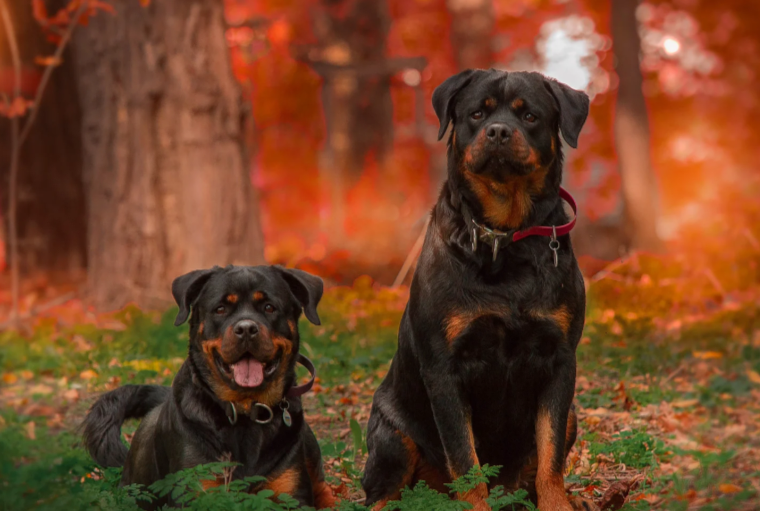
Large dogs like Rottweilers, Great Danes, or Mastiffs naturally walk faster than humans. Their power and enthusiasm can easily translate into pulling.
Pulling usually isn’t defiance — it’s instinct. They see something exciting and move toward it. Without guidance, your dog learns that pulling gets them where they want to go.
By understanding their motivation, you can redirect that energy into focus and calm walking. The goal isn’t to overpower your dog — it’s to teach cooperation through confidence and consistency.
The Importance of Calm, Confident Leadership
Your energy sets the tone for every walk. Dogs sense hesitation, frustration, or nervousness immediately. If you’re tense, they’ll respond with the same energy.
Confident leadership means staying calm, patient, and consistent. Walks shouldn’t be a tug-of-war — they should feel like teamwork. When you communicate clearly and maintain steady control, your dog learns to match your rhythm and trust your direction.
Before each walk:
- Wait until your dog is calm before putting on the leash.
- Step outside only when they’re sitting or standing quietly.
- Begin walking with a relaxed but firm posture.
Confidence isn’t about dominance; it’s about setting boundaries through calm authority.
Essential Gear for Handling Large Breed Pulling
The right equipment helps you guide your dog safely and effectively.
Choosing the Right Harness or Collar
A front-clip harness is ideal for large dogs that pull. It redirects their forward momentum toward you rather than allowing them to power ahead.
Avoid choke or prong collars, which can cause discomfort and break trust. Instead, opt for a well-fitted, padded harness that distributes pressure evenly across the chest.
Selecting a Safe and Strong Leash
Use a 4- to 6-foot leash for optimal control. A shorter leash gives you stability and prevents sudden lunges.
Avoid retractable leashes — they encourage tension and make training harder. Choose sturdy materials like nylon or leather that can handle your dog’s strength without slipping.
Training Techniques to Stop Pulling
Teaching Loose-Leash Walking
Loose-leash walking is one of the most effective ways to stop pulling. Start in a quiet area where distractions are minimal.
- Hold the leash with slack — no tension.
- Walk forward, rewarding your dog when they stay by your side.
- If they pull, stop immediately.
- Wait until they relax, then continue walking.
Your dog will learn that only calm, controlled walking moves the walk forward.
Using the Stop-and-Go Method
The stop-and-go method teaches your dog that pulling doesn’t work.
- If your dog pulls, stop moving completely.
- Stay silent and still.
- When they relax or turn to look at you, reward and walk again.
This approach replaces frustration with clarity — your dog quickly learns that patience gets results.
Rewarding Calm Behavior
Use positive reinforcement to motivate your dog. Carry small treats or use calm praise when they walk beside you without tension.
Rewards should always come at the right time — the moment your dog behaves correctly. Over time, they’ll associate loose-leash walking with good things and naturally stay close to your side.
Building Trust and Communication on Walks
Leash training is more than physical control — it’s emotional communication. Your dog learns to rely on your cues and energy.
Talk to your dog during walks. Use simple, steady commands like “easy” or “let’s go.” Praise calm behavior and stay relaxed even when distractions appear.
A confident, trusting bond ensures that your dog looks to you for direction rather than reacting impulsively. The more you walk together calmly, the stronger your connection becomes.
Common Mistakes to Avoid
- Jerking the leash: This can cause pain and make your dog fearful.
- Inconsistent rules: Allowing pulling “sometimes” confuses your dog.
- Skipping exercise: A dog with too much energy will struggle to stay calm on leash.
- Losing patience: Progress takes time — frustration only slows learning.
Avoid these mistakes by keeping training sessions short, positive, and consistent. Each calm walk builds confidence in both you and your dog.
Staying Consistent and Confident
Consistency is what turns training into habit. Walk your dog daily, reinforcing the same calm cues and rewards.
Keep sessions brief — 10 to 15 minutes of focused practice is better than long, unfocused walks. Over time, your dog’s pulling will fade as cooperation becomes their default behavior.
Confidence comes from preparation. When you approach walks with the right mindset and tools, your dog will follow your lead — literally and figuratively.
Conclusion
Learning handling large breed pulling techniques isn’t about strength — it’s about confidence, clarity, and patience. With calm leadership, structured training, and the right equipment, you can turn stressful walks into peaceful, rewarding experiences.
Your dog doesn’t need to be controlled — they need to be guided. With time, your large breed will walk beside you with trust, balance, and pride, making every outing a reflection of your shared confidence.
FAQ
1. Why does my large dog pull so much?
Large dogs pull because of excitement or instinct. Training and calm repetition teach them to slow down and follow your lead.
2. What type of harness works best for strong dogs?
A front-clip harness is ideal for redirecting pulling safely and comfortably.
3. How long does it take to stop pulling?
With consistent practice, most large dogs improve within 2–4 weeks.
4. Should I correct my dog for pulling?
Avoid harsh corrections. Instead, stop walking and reward calm, loose-leash behavior.
5. Can older dogs learn to walk without pulling?
Yes. Dogs of any age can learn new habits with patience, consistency, and positive reinforcement.