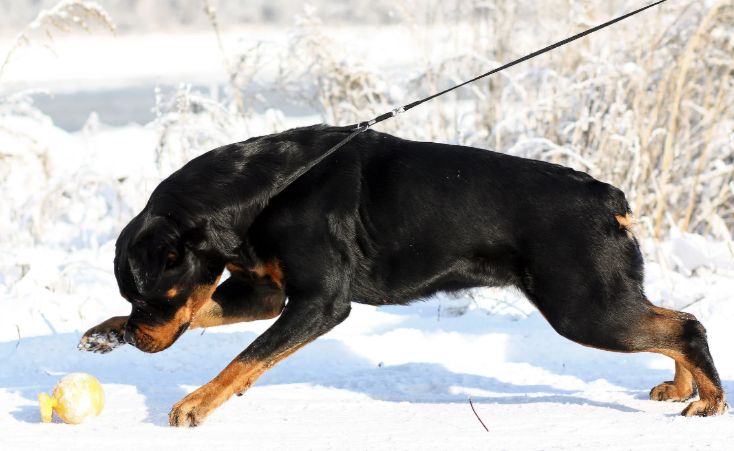
Walking a big dog should feel enjoyable — not like a battle of strength. Yet, many owners know the struggle of a strong dog pulling hard or charging ahead. Learning leash control for big dogs is less about overpowering your companion and more about communication, confidence, and consistency.
When you teach your large breed to walk calmly beside you, walks become a relaxing way to bond, exercise, and build trust.
Why Leash Control Matters for Big Dogs
Big dogs have power — and when that power is unchecked, a single pull can throw off your balance or cause injury. Leash control ensures not just safety, but harmony.
With proper training and calm guidance, your dog learns that walking politely is rewarding. It’s about teamwork — your dog should move with you, not against you.
Effective leash control keeps walks stress-free, reinforces trust, and strengthens your leadership without force.
Understanding Your Dog’s Behavior on the Leash
Pulling is natural for most dogs, especially large breeds. They walk faster, explore more eagerly, and react strongly to scents and sights.
Your dog isn’t trying to challenge you — they simply haven’t learned how to match your pace. Patience, not punishment, is what transforms that pulling energy into cooperation.
Recognizing the why behind pulling helps you correct it gently and effectively.
The Right Equipment for Leash Control
Choosing a Harness or Collar That Works
A front-clip harness is the best choice for big dogs that pull. It gently redirects their movement toward you without choking or discomfort.
Avoid choke or prong collars — they can damage your dog’s neck and reduce trust. Instead, invest in a harness that fits snugly but comfortably, giving you control without causing pain.
Selecting the Best Leash for Strength and Safety
A 4–6 foot leash made of durable nylon or leather gives stability and control. Retractable leashes should be avoided, as they encourage pulling and reduce responsiveness.
Keep your grip relaxed yet firm. A short leash provides security while allowing freedom for your dog to move naturally beside you.
Step-by-Step Leash Training for Big Dogs
Training leash manners takes consistency, but it’s simple when broken into clear steps.
Teaching Loose-Leash Walking
- Start indoors or in a low-distraction area.
- Hold the leash loosely with enough slack for comfort.
- Begin walking, rewarding your dog when they stay by your side.
- If they pull ahead, stop immediately.
- Wait for them to relax or return, then resume walking.
Over time, your dog learns that pulling stops the fun — calm walking moves it forward.
The Stop-and-Go Training Technique
The “stop-and-go” approach reinforces patience and awareness. When your dog pulls, stop moving. Do not jerk the leash or yell.
When they return to your side or the leash loosens, calmly continue walking. Repeat this every time they pull.
Consistency teaches them that calm cooperation gets results, while force gets them nowhere.
Rewarding Calm and Focused Behavior
Use treats, praise, or gentle petting when your dog walks politely beside you. Reward immediately so they connect the behavior with the reward.
As progress continues, phase out treats and rely on verbal cues or affection to maintain results.
Building Confidence as the Handler
Your energy and posture shape your dog’s behavior. Big dogs respond best to confident, calm handlers.
Stand tall, stay relaxed, and walk with purpose. Avoid tension in your shoulders or leash grip — tension communicates stress.
Confidence doesn’t mean dominance — it means clarity. When your dog feels secure in your leadership, they naturally follow your rhythm.
Mistakes to Avoid When Training Large Breeds
- Jerking the leash: Causes pain and fear, reducing trust.
- Allowing pulling “sometimes”: Confuses your dog about expectations.
- Skipping daily walks: Inconsistent practice slows progress.
- Using harsh tones: Calm correction works better than yelling.
- Neglecting exercise: A restless dog will struggle to stay focused on leash.
Every walk is a learning opportunity. Avoid shortcuts, stay consistent, and keep your sessions short and positive.
Consistency and Patience: Keys to Success
Training a large breed requires repetition. Set aside 10–15 minutes daily for focused leash practice.
Stay patient — progress happens gradually. Over time, your dog learns that calm, cooperative walking is part of their daily routine.
Celebrate small wins. Each step your dog takes beside you without tension is progress worth acknowledging.
When both you and your dog walk calmly and confidently, every outing becomes smoother, safer, and more enjoyable.
Conclusion
Mastering leash control for big dogs isn’t about strength — it’s about connection. With calm energy, the right equipment, and consistent training, your large breed can walk gracefully by your side.
Confidence builds through clarity, and trust grows through repetition. The more you work together, the more your walks will become peaceful, natural, and rewarding — one step at a time.
FAQ
1. Why does my big dog pull so much?
Large dogs pull due to excitement, curiosity, or lack of leash training. Calm, consistent practice helps reduce this behavior.
2. What kind of leash is best for large dogs?
A 4–6 foot fixed-length leash provides control and safety without restricting comfort.
3. Should I use a choke collar to stop pulling?
No. Use a front-clip harness for gentle redirection and better communication.
4. How long does leash training take?
With daily sessions, most big dogs improve significantly within 2–4 weeks.
5. Can older big dogs learn leash control?
Absolutely. With patience and positive reinforcement, dogs of any age can learn calm leash manners.