If your dog could talk, they’d tell you that boredom is the real enemy. Dogs crave stimulation — not just walks or toys, but mental and emotional engagement. That’s where enrichment activities for dogs come in.
Enrichment isn’t about spoiling your dog. It’s about giving them opportunities to use their instincts, build confidence, and feel fulfilled. When dogs are mentally and physically enriched, they’re calmer, happier, and better behaved — both at home and outdoors.
What Are Enrichment Activities for Dogs?
Enrichment activities are experiences that challenge your dog’s mind and body in positive ways. These activities mimic natural behaviors like sniffing, foraging, problem-solving, and social interaction.
They can be as simple as hiding treats in a towel or as advanced as using puzzle feeders or scent games. The goal is to make your dog think, explore, and engage rather than just react or wait passively for attention.
When dogs engage in enriching experiences, they release stress, stay mentally sharp, and build confidence — all while strengthening their bond with you.
Why Enrichment Is Essential for Every Dog
A dog without stimulation often becomes restless or anxious. This can lead to unwanted behaviors such as chewing, barking, or digging.
Enrichment solves this by giving your dog healthy outlets for their natural instincts. It:
- Reduces boredom and anxiety.
- Encourages focus and calmness.
- Promotes problem-solving and creativity.
- Strengthens the bond between dog and owner.
- Supports overall well-being and longevity.
Simply put, enrichment makes your dog’s life more meaningful — and yours easier and more enjoyable.
Types of Enrichment Activities
Every dog benefits from a mix of mental, physical, sensory, and social enrichment. Rotating between them keeps things fresh and engaging.
Mental Enrichment Through Puzzles and Games
Mental exercise is just as important as physical activity. Try:
- Puzzle feeders: Encourage your dog to work for treats.
- Hide-and-seek games: Hide a toy or treat and let them sniff it out.
- Training sessions: Teach new tricks or commands for focus and confidence.
These tasks build patience, memory, and satisfaction from solving problems.
Physical Enrichment with Play and Exercise
Physical activity is vital for a healthy, well-balanced dog. Include:
- Interactive fetch: Use soft balls or frisbees for safe play.
- Obstacle courses: Set up cones, boxes, or tunnels in your yard.
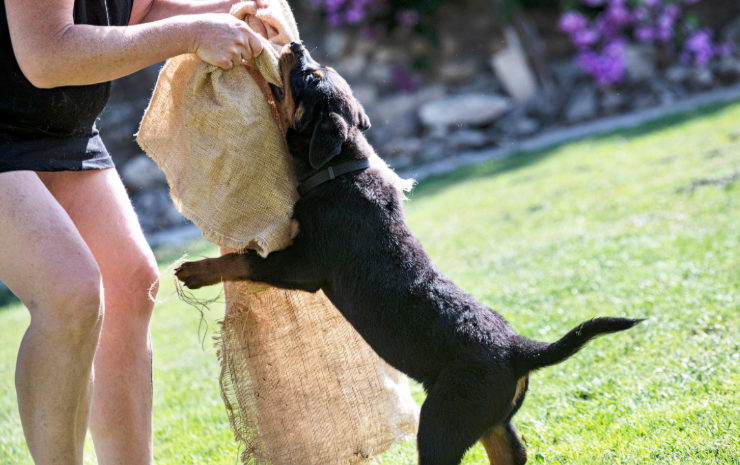
- Tug-of-war: Strengthens muscles and teaches impulse control.
Active play helps release energy and keeps your dog fit and focused.
Sensory Enrichment for Exploration and Curiosity
Dogs experience the world through scent, sound, and touch. Stimulate their senses with:
- Snuffle mats: Let them forage for treats among fabric layers.
- Nature walks: Explore new trails with varied smells and textures.
- Safe scents: Use lavender or chamomile oils (diluted) to calm them.
This type of enrichment enhances relaxation while satisfying their curiosity.
Social Enrichment and Training Interaction
Dogs are social animals. They thrive on connection — both with humans and other dogs.
Try:
- Playdates: Encourage safe, positive interactions.
- Group training classes: Build confidence and obedience in social settings.
- Family time: Include your dog in daily routines and gentle handling.
Social interaction reinforces trust and reduces loneliness or separation anxiety.
How to Add Enrichment to Your Dog’s Routine
Simple Daily Habits That Make a Difference
Enrichment doesn’t need to be complicated. A few mindful changes can transform your dog’s day:
- Hide treats before leaving home.
- Rotate their toys every few days to maintain interest.
- Offer different chew textures (like rope, rubber, or wood).
- Take different walking routes to expose new sights and smells.
These small activities create anticipation and satisfaction throughout the day.
Rotating Toys and Challenges for Variety
Dogs get bored with the same toys quickly. Keep things exciting by rotating their play items weekly.
Introduce new challenges, like treat balls or frozen Kongs, to encourage curiosity and persistence. A small change in texture or scent keeps their minds engaged and prevents monotony.
Benefits of Enrichment Activities for Dogs
Regular enrichment brings numerous benefits that extend beyond play:
- Improved mental health: Keeps the brain sharp and reduces anxiety.
- Better behavior: Focused, content dogs are less likely to act out.
- Enhanced physical fitness: Activities promote endurance and strength.
- Stronger bond: Shared experiences build trust and understanding.
- Happier home: A calm, fulfilled dog makes life smoother for everyone.
When dogs feel mentally satisfied, they radiate calmness, balance, and joy — traits every owner loves to see.
Common Mistakes to Avoid
- Overstimulating your dog: Too much excitement can cause stress.
- Ignoring mental needs: Physical exercise alone isn’t enough.
- Repeating the same activities: Routine dulls curiosity.
- Skipping downtime: Dogs need rest to process stimulation.
- Forgetting praise: Encouragement reinforces positive engagement.
Balance is key. Variety, patience, and moderation create the best results.
Conclusion
Adding enrichment activities for dogs to your routine doesn’t take much — just creativity and care. By mixing mental, physical, and social engagement, you’ll nurture a calmer, happier, and healthier companion.
Enrichment is more than play; it’s a form of communication that tells your dog, “I see you, I understand you, and I value your instincts.” When you enrich your dog’s life, you enrich your own.
FAQ
1. What are enrichment activities for dogs?
They’re stimulating tasks like puzzle toys, sniffing games, or training that engage your dog’s mind and body.
2. How often should I do enrichment with my dog?
A few short activities daily are ideal. Even 10–15 minutes of focused engagement makes a difference.
3. Can senior dogs benefit from enrichment?
Yes. Mental stimulation helps older dogs stay sharp, calm, and emotionally balanced.
4. What’s the best enrichment for anxious dogs?
Calming scent games, gentle training, and puzzle feeders can reduce anxiety and build confidence.
5. Can enrichment replace exercise?
No, but it complements it. Mental and physical activities together keep your dog well-rounded and content.