
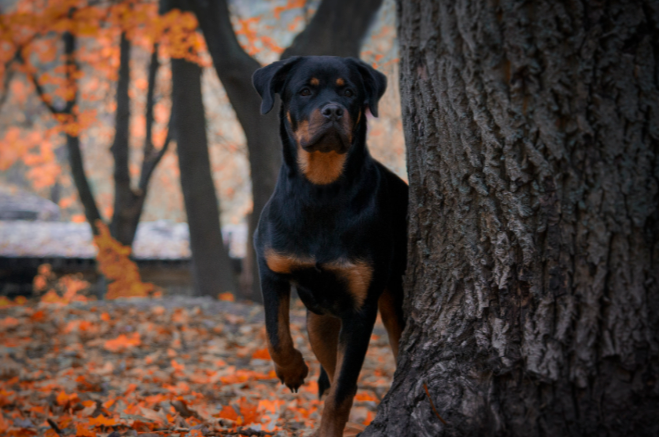
The Rottweiler’s presence commands attention — muscular, confident, and calm. But behind their impressive build lies a fascinating history of purpose and devotion. To truly understand this breed, you must look back at the working heritage of the Rottweiler, a legacy rooted in centuries of service, protection, and loyalty.
From Roman battlefields to modern homes, Rottweilers have always been defined by their drive to work alongside humans. Their instincts to guard, guide, and protect are not just learned behaviors — they’re part of their DNA.
The Origins of the Rottweiler
The Rottweiler’s ancestry can be traced back nearly 2,000 years to the Roman Empire. The Romans needed strong, intelligent dogs to drive cattle, guard soldiers, and protect supplies during long military campaigns.
These early working dogs were the ancestors of today’s Rottweiler — robust, obedient, and courageous. They were more than companions; they were partners in survival, adapting to harsh climates and long journeys with unwavering loyalty.
Rottweilers as Roman Working Dogs
When the Roman legions expanded into Europe, they brought their dogs with them. These dogs herded livestock that fed the army and guarded the encampments at night.
They were chosen for their stamina, courage, and problem-solving ability. These qualities became the genetic foundation of the Rottweiler’s modern temperament — disciplined, determined, and always ready to act with purpose.
As the Roman Empire declined, these dogs stayed in what is now southern Germany, particularly in the town of Rottweil. There, their true identity began to take shape.
The Birth of the Rottweiler in Rottweil, Germany
In the centuries following Rome’s fall, the town of Rottweil became a bustling trade center. Livestock was a major part of the economy, and the dogs left behind by Roman soldiers found new roles herding cattle and protecting merchants.
These dogs became known as Rottweiler Metzgerhunds — “the butcher’s dogs of Rottweil.” They drove cattle to market, guarded money pouches tied around their necks, and defended their owners from thieves.
Their reputation for strength, intelligence, and loyalty grew. They were fearless workers, respected for their discipline and reliability.
The Butcher’s Dog: Guardian and Herding Companion
The butcher’s Rottweiler was a master multitasker — herder by day, guardian by night. Their job required physical strength, calmness under pressure, and independence in making quick decisions.
This demanding lifestyle forged the traits we still see today:
- A calm, watchful demeanor.
- Confidence without aggression.
- A powerful bond with their handler.
Even when carts replaced cattle, Rottweilers adapted, pulling heavy loads and serving as loyal watchdogs. Their working heritage made them versatile — not just strong, but intelligent enough to learn any task.
From Work Fields to Modern Roles
As industrialization reduced the need for cattle-driving dogs, Rottweilers’ skills found new purpose. Their reliability, obedience, and strength made them ideal for specialized service roles.
Police and Military Service
In the early 20th century, Rottweilers became one of the first breeds officially used by the German police. They excelled in guarding, tracking, and protection work — trusted partners capable of both courage and restraint.
During wartime, they served as messengers, rescue dogs, and protectors. Their blend of discipline and emotional intelligence made them invaluable in high-pressure environments.
Search, Rescue, and Therapy Roles
Modern Rottweilers continue to serve beyond protection. Many work in search and rescue, navigating disaster zones with focus and determination. Others provide emotional support and therapy, using their sensitivity and calm presence to comfort people in hospitals and homes.
Family Protector and Loyal Companion
Today, the Rottweiler’s most common role is that of a family companion. Yet, their working instincts remain — they still guard their homes with quiet vigilance and deep devotion.
Their instinct to protect is not rooted in aggression, but in love and loyalty. They work for their family just as their ancestors did for soldiers and butchers centuries ago.
Traits Inherited from the Working Heritage
Intelligence and Task-Focused Drive
Centuries of work bred the Rottweiler to think independently while following human direction. They learn quickly and thrive when given tasks that challenge their minds.
Whether it’s obedience training or advanced scent work, they excel when engaged in purposeful activity.
Loyalty, Courage, and Self-Control
A Rottweiler’s heart is as strong as their body. Their courage is quiet — they act when necessary but remain calm under pressure.
This balance between bravery and restraint comes directly from their working heritage. They were bred not just to act, but to think first — a sign of true confidence and control.
Physical Power and Endurance
Built for endurance, Rottweilers have muscular bodies designed for hard work. Their power comes from centuries of physical labor, herding, and guarding.
Today, that same strength needs regular exercise and structured activity to stay balanced and healthy.
How the Rottweiler’s Heritage Shapes Their Modern Temperament
The Rottweiler’s working background still defines their behavior. They are happiest when they have a purpose — a job, a routine, or a task that engages their body and mind.
Without stimulation, they can become restless or overly protective. But with guidance, their loyalty and intelligence shine.
This is why confident, consistent leadership is essential. A Rottweiler doesn’t just want affection; they want direction. When they understand their role, they become steady, dependable, and deeply devoted companions.
Nurturing the Rottweiler’s Working Instincts Today
You can honor your Rottweiler’s working heritage by channeling their natural instincts through training and engagement:
- Provide daily mental challenges like obedience, tracking, or agility games.
- Give them structured walks that include focus and impulse control.
- Encourage purposeful play — retrieving, scent work, or even light pulling exercises.
- Reinforce calm behavior and reward focus, not excitement.
These practices satisfy their need for purpose, strengthen your bond, and bring out the best of their working lineage.
Conclusion
The working heritage of the Rottweiler is more than history — it’s a living legacy of purpose, intelligence, and devotion. From ancient Roman fields to modern family homes, the Rottweiler’s essence has never changed: a powerful spirit guided by loyalty and heart.
When you understand their past, you see your Rottweiler for what they truly are — not just a strong protector, but a thoughtful, steadfast partner who thrives when given purpose and love.
FAQ
1. What was the original purpose of Rottweilers?
They were bred to herd cattle, guard livestock, and protect merchants traveling with valuable goods.
2. Are Rottweilers still used as working dogs today?
Yes. They serve in police work, search and rescue, therapy roles, and protection sports.
3. Why are Rottweilers so loyal?
Their loyalty comes from centuries of partnership with humans, where trust and teamwork were essential for survival.
4. How can I give my Rottweiler a “job” at home?
Use obedience training, scent games, or tasks like carrying toys or learning commands to fulfill their working drive.
5. Do Rottweilers need a lot of exercise because of their heritage?
Absolutely. Regular physical and mental activity keeps them balanced, happy, and true to their hardworking nature.