
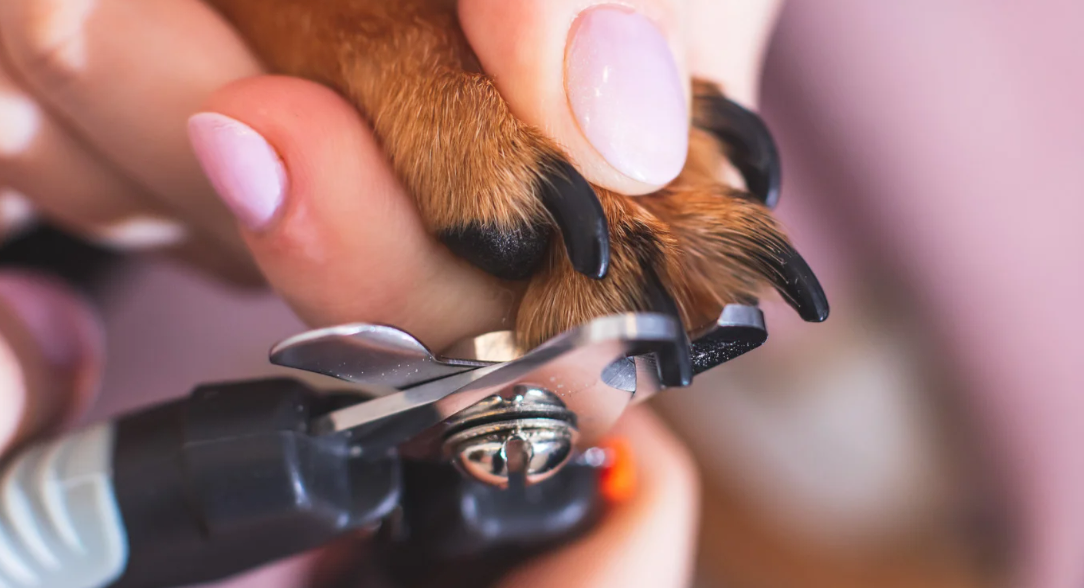
Rottweilers are strong, active dogs built for endurance, but even the toughest paws need regular care. Nail trimming and paw maintenance aren’t just about looks — they’re about health, comfort, and long-term mobility. When nails grow too long or paw pads go unchecked, your Rottweiler can experience pain, misalignment, or even injury.
Let’s dive into how to properly trim your Rottweiler’s nails, care for their paws, and make the experience calm and positive for both of you.
Why Nail Trimming Matters for Rottweilers
Because Rottweilers are large and muscular, their nails carry more pressure with every step. Overgrown nails can alter posture, cause discomfort, and even affect joint alignment.
When nails are too long, they press into the ground, forcing the toes outward and creating an unnatural gait. This not only hurts but can also lead to joint strain or paw deformities over time.
In severe cases, long nails can curl into the paw pads, causing infections or bleeding — a painful problem that’s completely preventable with regular maintenance.
Signs Your Rottweiler’s Nails Need Trimming
It’s time for a trim if you notice:
- Clicking sounds when your dog walks on hard floors
- Difficulty maintaining traction or balance
- Splayed toes or limping
- Nails touching the ground when standing
Ideally, your Rottweiler’s nails should sit just above the floor when they stand naturally.
How Often Should You Trim Your Rottweiler’s Nails?
The frequency depends on your dog’s lifestyle and activity level. Active Rottweilers who run on pavement may naturally wear down their nails, while indoor or grassy-surface dogs may need more frequent trims.
As a rule of thumb, trim every 3–4 weeks to maintain healthy length. Check nails weekly to spot early overgrowth before it becomes a problem.
Adjusting for Growth and Activity
Puppies may need trims more often because their nails grow faster. Senior Rottweilers, on the other hand, may move less, meaning their nails wear down more slowly — requiring more regular attention.
Step-by-Step Guide to Trimming Rottweiler Nails
Trimming can seem intimidating, especially with large, dark nails like a Rottweiler’s. But with the right tools and patience, it becomes an easy routine.
Step 1: Gather the Right Tools
You’ll need:
- Heavy-duty nail clippers or a rotary grinder (Dremel)
- Styptic powder (to stop bleeding if you cut too short)
- Treats for positive reinforcement
- A towel or mat for stability
Avoid using small clippers meant for toy breeds — Rottweiler nails are thick and require strong, sharp tools.
Step 2: Get Your Dog Comfortable
Choose a quiet environment with minimal distractions. Have your Rottweiler sit or lie down calmly. If they’re nervous, start by handling their paws for a few days before trimming.
Touch each paw gently, rewarding them for calm behavior. Gradual desensitization helps build trust and reduces stress.
Step 3: Identify the Quick
The “quick” is the blood vessel inside each nail. Cutting into it can cause pain and bleeding. In light-colored nails, the quick appears as a pinkish area. In black nails (common for Rottweilers), trim small bits at a time and look for a pale circle at the center of the cut — that’s your cue to stop.
It’s better to trim less and do it more often than to risk cutting too short.
Step 4: Trim Slowly and Steadily
Hold your dog’s paw firmly but gently. Clip a small amount of nail at a 45-degree angle. Take breaks and reward after each nail or paw.
If using a grinder, move it in short bursts to avoid heat buildup. The goal is smooth, rounded nails that don’t touch the ground.
Step 5: Handle Accidents Calmly
If you accidentally nick the quick, apply styptic powder to stop bleeding. Speak calmly to reassure your dog — panicking only increases their anxiety.
Most importantly, reward your Rottweiler afterward so they associate trimming with positive outcomes.
Paw Pad Care: Keeping Those Powerful Feet Healthy
Your Rottweiler’s paw pads act like natural shock absorbers. They protect bones, joints, and ligaments during running, jumping, and walking. Over time, rough surfaces, extreme weather, and debris can wear them down.
Inspect Paws Regularly
Check your Rottweiler’s paws weekly. Look for cracks, redness, embedded objects, or swelling. Gently clean away dirt and debris with a damp cloth.
After outdoor play, especially in winter or summer, inspect for salt burns, heat blisters, or small cuts that could get infected.
Moisturize the Pads
Dry, cracked paw pads can be painful. Use a dog-safe paw balm or moisturizer — never human lotion, as some contain toxic ingredients. Apply after walks or baths to maintain flexibility and protection.
Watch for Seasonal Hazards
- Winter: Ice, salt, and cold pavement can cause dryness and irritation. Rinse and dry paws after walks.
- Summer: Hot asphalt can burn pads. Test the ground with your hand — if it’s too hot for you, it’s too hot for your dog. Walk early morning or evening when temperatures are cooler.
Booties can also protect paws during extreme weather or rough terrain.
Tips for Stress-Free Nail Trimming
Even confident dogs may dislike nail trimming. The key is patience, consistency, and positive association.
Desensitize Early
Start handling your puppy’s paws as soon as possible. Massage them gently while rewarding calm behavior. This builds familiarity and reduces fear later in life.
Make It Rewarding
Use high-value treats or playtime after trimming sessions. Turn the process into a bonding ritual rather than a chore.
Break It Into Short Sessions
If your Rottweiler becomes anxious, don’t force it. Trim one paw at a time over several days. Gradual progress builds trust and confidence.
Use Professional Help When Needed
If your dog panics or resists despite your efforts, a professional groomer or veterinarian can help. Many offer quick, safe nail trims — and you can observe their technique for next time.
Common Nail and Paw Problems in Rottweilers
Even with regular care, Rottweilers can experience certain paw issues due to their size and activity level.
1. Split or Cracked Nails
Caused by dryness or trauma, these can lead to infection. Trim jagged edges and consult your vet if the nail bleeds or breaks deeply.
2. Ingrown Nails
Overgrown nails that curl inward can puncture the pad. Regular trimming prevents this painful issue.
3. Interdigital Cysts
Small lumps between toes caused by irritation or infection. Keep paws clean and dry; see your vet if swelling persists.
4. Pad Burns or Abrasions
Common after walks on hot pavement or rough trails. Soothe with paw balm and allow rest until healed.
Conclusion
Proper nail trimming and paw care keep your Rottweiler comfortable, mobile, and ready for adventure. It’s not just grooming — it’s an act of love that protects their health and quality of life.
By staying consistent, using the right tools, and creating positive associations, you’ll turn nail care from a stressful chore into a simple routine your Rottweiler can enjoy. Healthy paws mean a happy, active dog — and a stronger bond between you both.
FAQ
1. How often should I trim my Rottweiler’s nails?
Usually every 3–4 weeks, but active dogs may need less frequent trims.
2. What happens if I cut the quick?
Apply styptic powder to stop bleeding and stay calm. The quick will heal, but trim cautiously next time.
3. Can I use a grinder instead of clippers?
Yes. Many owners prefer grinders for smoother results and less risk of cutting too deep.
4. How do I keep my Rottweiler calm during nail trims?
Start slow, use treats, and stop before your dog becomes stressed. Positive reinforcement is key.
5. Should I trim dewclaws too?
Absolutely. Dewclaws don’t wear down naturally and can curl into the skin if left untrimmed.