Walking your dog should be peaceful, not a battle of strength. Yet for many owners, leash pulling turns every stroll into a frustrating tug-of-war. If your dog drags you down the street or lunges at every scent, you’re not alone — and you can fix it.
In this guide, you’ll learn how to stop your dog from pulling instantly using simple, proven techniques that encourage cooperation instead of conflict. With the right approach, your dog will learn to walk calmly beside you in no time.
Why Dogs Pull on the Leash
Before you can stop the behavior, it helps to understand why it happens. Dogs don’t pull because they’re disobedient — they pull because it works.
When a dog pulls and you keep walking, they reach what they want faster: new smells, other dogs, or interesting spots. That instant reward reinforces pulling. To change the behavior, you must change the outcome.
Pulling must never lead to progress. Only calm, loose-leash walking should move them forward.
Natural Instincts Play a Role
Dogs are explorers by nature. Their pace, curiosity, and excitement all contribute to leash tension. Understanding this helps you respond with patience rather than frustration.
The Quickest Way to Stop Pulling: Stop Moving
The simplest and most effective method to stop pulling starts with one rule: don’t move when the leash is tight.
Here’s how it works:
- Start walking your dog on a short, sturdy leash (4–6 feet).
- The moment your dog pulls ahead and the leash tightens — stop immediately.
- Stand still and wait. Don’t yank, shout, or pull back.
- The moment your dog loosens the leash or turns toward you, praise and move forward again.
This teaches your dog that pulling gets them nowhere, while calm walking gets them where they want to go. Within a few sessions, most dogs start checking in and walking more gently beside you.
The Secret Is Consistency
If pulling ever works, your dog will keep trying it. Consistency is crucial. Everyone who walks your dog must follow the same rule: no movement while the leash is tight.
Use the Right Equipment for Instant Control
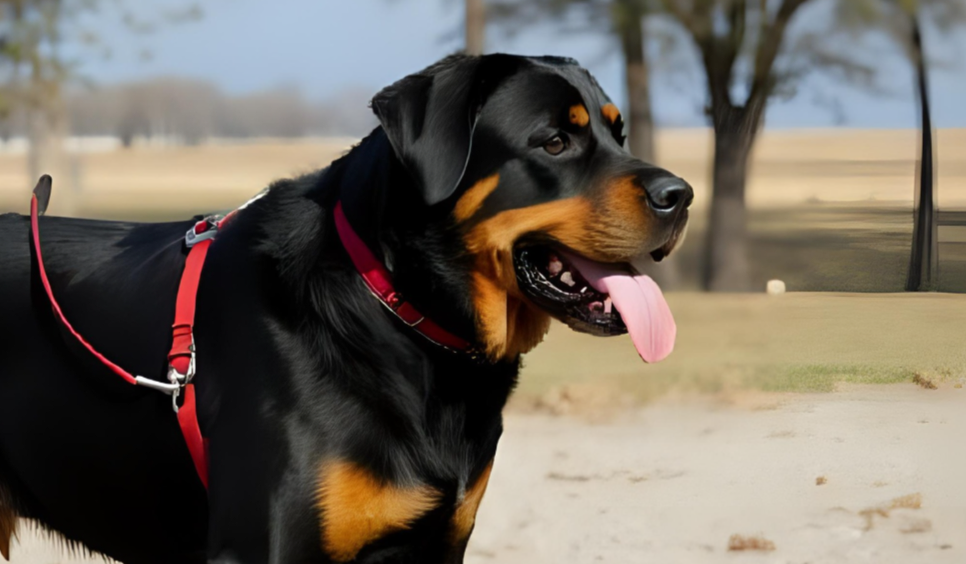
The right gear makes leash training safer and more effective — especially for strong breeds like Rottweilers, Labradors, or Shepherds.
1. Front-Clip Harness
A front-clip harness redirects your dog’s momentum toward you instead of forward. It discourages pulling gently without causing pain or injury. Popular options include the PetSafe Easy Walk and Ruffwear Front Range harnesses.
2. Standard Leash
Use a 4–6 foot fixed-length leash. Retractable leashes encourage pulling because dogs learn that tension equals more freedom. A sturdy nylon or leather leash gives better control and communication.
3. Treat Pouch and Clicker
Keep rewards handy to reinforce calm walking. A clicker helps mark precise moments of good behavior, and treats provide immediate feedback your dog understands.
Reward Calm Walking Every Step of the Way
Dogs repeat behaviors that earn rewards. When your dog walks beside you without pulling, let them know they’re doing the right thing.
How to Reward Effectively
- Mark the behavior: Use a verbal cue like “Yes!” or a clicker the moment your dog’s leash loosens.
- Deliver a treat: Hand over a small, tasty reward while keeping your pace steady.
- Repeat often: Reward frequently at first — every few steps if needed. Gradually reduce treats as the behavior becomes consistent.
This positive reinforcement teaches your dog that staying close and calm pays off.
Use Praise, Not Punishment
Yanking, scolding, or jerking the leash can create fear or frustration. Instead, guide your dog with clear communication and reward-based methods. Confidence builds cooperation faster than punishment ever could.
Train Your Dog’s Focus During Walks
Distraction is the biggest enemy of loose-leash walking. Birds, other dogs, people, and scents all compete for your dog’s attention. The solution? Teach your dog to focus on you.
1. Name Recognition
Say your dog’s name once. When they make eye contact, reward immediately. This builds a reflex — “When I hear my name, I look at my human.”
2. “Watch Me” Command
Hold a treat near your eyes and say “Watch me.” Reward when your dog locks eyes. This command becomes your go-to tool for regaining attention mid-walk.
3. Change Directions Often
If your dog surges forward, calmly turn around and walk the other way. When they catch up and walk beside you, reward them. This teaches your dog to stay alert and mirror your movement.
The “Stop and Go” Method That Works Instantly
This technique builds on the “no movement when pulling” rule but adds rhythm and engagement.
How to Do It
- Walk forward.
- If your dog pulls — stop.
- When they relax — move forward again.
- If they walk nicely — say “Good!” and keep walking.
Soon your dog learns that you control the pace, not them. It also reinforces patience and self-control, key traits for calm walking.
Bonus Tip: Use Short Sessions
Start with short 5–10 minute walks focused only on leash manners. Once your dog improves, increase the duration and add distractions gradually.
Avoid Common Leash Training Mistakes
Even small missteps can undo progress. Watch out for these common errors.
1. Letting the Dog Lead
Allowing your dog to walk several feet ahead signals that they’re in charge. Keep them by your side or slightly in front, but always in your control.
2. Using Retractable Leashes
These teach dogs to pull because the tension extends their range. Stick with a fixed-length leash to maintain steady control.
3. Pulling Back on the Leash
Tug-of-war only fuels your dog’s instinct to pull harder. Stand firm, stay still, and let them figure out that a loose leash brings rewards.
4. Skipping Mental Stimulation
A bored dog is more likely to pull. Mix in short sniff breaks, obedience games, or direction changes to keep walks engaging.
Advanced Tip: Practice “Loose Leash” Indoors
If outdoor distractions overwhelm your dog, start inside.
Walk around your home or backyard. Reward every few steps when your dog keeps a slack leash. Indoors, your dog can focus entirely on you — no squirrels or street noise to interrupt learning.
Once your dog succeeds indoors, gradually move to low-distraction outdoor areas before hitting busier routes.
What to Do if Your Dog Lunges or Pulls Suddenly
Even well-trained dogs can get excited. If your dog lunges toward another dog, squirrel, or smell:
- Stay calm and grounded. Avoid jerking the leash.
- Turn your body sideways. This creates gentle resistance without confrontation.
- Use a command: Say “Leave it” or “This way.”
- Reward redirection. The moment they focus on you, offer praise or a treat.
Over time, your dog learns that ignoring distractions earns rewards, while lunging gets them nothing.
Make Leash Training Part of Your Daily Routine
Consistency is the secret to lasting success. Practice good leash manners every time you walk — even quick potty breaks.
Keep sessions positive, use calm energy, and celebrate progress. The more your dog experiences success, the faster pulling fades for good.
Daily Practice Plan
- Short morning session: 5–10 minutes of leash manners.
- Midday walk: Reward calm walking and redirect distractions.
- Evening walk: End with relaxed strolls to reinforce calm behavior.
In just a few weeks, you’ll notice a dramatic difference — smoother walks, better focus, and a stronger bond with your dog.
Conclusion
Learning how to stop your dog from pulling instantly isn’t magic — it’s about clear communication, patience, and consistency. With the right equipment, calm energy, and simple training steps, you can transform chaotic walks into peaceful adventures.
Every calm step your dog takes beside you strengthens trust and cooperation. Stay consistent, reward good behavior, and soon your leash walks will feel effortless.
FAQ
1. Can I really stop pulling instantly?
Yes. If you stop moving the moment your dog pulls, they quickly learn that pulling no longer works.
2. What’s the best harness to prevent pulling?
A front-clip or no-pull harness works best because it redirects your dog’s momentum toward you.
3. Should I use treats during leash training?
Absolutely. Rewards reinforce calm walking and help your dog understand what behavior earns praise.
4. What if my dog only pulls around distractions?
Practice focus exercises and gradually introduce distractions. Reward eye contact and calm behavior.
5. How long does leash training take?
With daily consistency, most dogs improve significantly within two to three weeks of practice.