
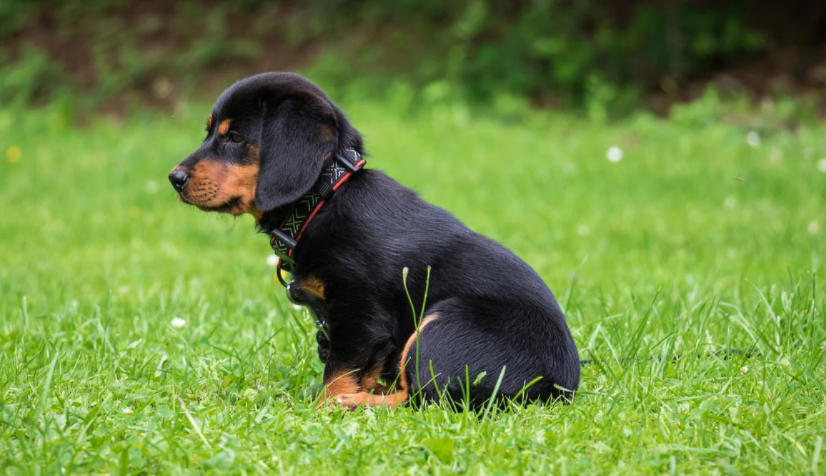
Adolescent dog obedience training becomes essential the moment your sweet puppy seems to “forget” everything they learned. Between six months and two years, dogs enter a teenage phase filled with hormonal shifts, independence, and sudden boundary testing. As a result, even well-trained pups may start ignoring commands or acting impulsively.
This stage can feel overwhelming. However, it is also one of the most important growth periods in your dog’s life. With consistent adolescent dog obedience training, you can transform chaos into calm leadership and guide your companion into a respectful, confident adult.
Understanding the Adolescent Phase in Dogs
Adolescence is a transitional stage. Your dog is no longer a small puppy, yet not fully mature either. Physically strong but mentally impulsive, they are wired to explore and test limits.
During this time, you may notice:
- Selective hearing
- Leash pulling
- Jumping or mouthing
- Increased reactivity
- Testing household rules
These behaviors are not acts of rebellion. Instead, the brain is reorganizing and learning independence. Structured adolescent dog obedience training helps shape these developmental changes into positive habits.
Reinforcing Foundations Through Daily Obedience Work
The basics matter more now than ever. Sit, stay, down, heel, and recall must be practiced regularly.
Short sessions work best. Five to ten minutes of focused practice keeps your dog engaged without overwhelming them. Use high-value rewards to maintain motivation. Gradually introduce distractions once commands are solid indoors.
Consistency is critical. Adolescent dog obedience training thrives on predictability. The clearer your expectations, the more secure and responsive your dog becomes.
Impulse Control: The Core of Adolescent Dog Obedience Training
Impulse control separates a reactive dog from a reliable one. Teaching patience builds emotional balance.
Try these simple exercises:
- Ask for “wait” before opening doors.
- Practice “leave it” with food on the floor.
- Teach a “place” or “settle” cue for calm relaxation.
- Use puzzle feeders to slow down eating.
These daily habits reinforce self-control. Over time, impulsive reactions are replaced with thoughtful responses.
Impulse control is the backbone of adolescent dog obedience training.
Leash Manners During the Teenage Stage
Adolescent dogs often discover their strength. Pulling becomes common as confidence increases.
To improve leash manners, follow a simple rule: forward movement only happens with a loose leash.
Begin with a calm “Let’s go.” The moment your dog pulls, stop walking. Wait patiently until the leash slackens or your dog offers eye contact. Then continue forward.
Reward frequently for calm walking beside you. This structured method builds focus and reduces tension on walks.
Structured Recall Builds Trust
Teenage dogs crave freedom. Therefore, recall training must become consistent.
Use a long line in safe areas. Call your dog in a cheerful tone. Reward immediately when they return. Gradually increase distractions over time.
Never punish slow responses. Instead, make returning to you exciting and worthwhile.
Strong recall is a cornerstone of adolescent dog obedience training because it reinforces communication and safety.
Purposeful Exercise for Focused Behavior
Energy without direction creates problems. Structured physical activity channels that energy productively.
Combine walks with obedience drills. Add scent games to engage the nose. Try short agility sessions or rally-style exercises.
Mental stimulation matters as much as physical movement. A tired mind produces calmer behavior.
Purposeful exercise strengthens attention and reinforces training cues naturally.
Reward Calm Energy Consistently
Many owners accidentally reward hyperactivity. Excited greetings or immediate attention for jumping can reinforce chaos.
Instead, greet your dog when they are sitting calmly. Ignore attention-seeking behaviors until they settle. Use steady, low-toned praise to encourage composure.
Adolescent dog obedience training succeeds when calmness is consistently reinforced.
Mental Enrichment for a Balanced Adolescent
Mental challenges reduce boredom-driven misbehavior.
Provide puzzle feeders, snuffle mats, or short problem-solving games. Teach new commands like “touch,” “spin,” or “place.” Rotate activities to maintain interest.
Mental engagement builds confidence and reduces destructive tendencies.
An enriched adolescent dog is more focused and cooperative.
Leadership Through Consistency and Clarity
Adolescent dogs need leadership. Not dominance. Not intimidation. Calm, consistent direction.
Maintain clear household rules. Use steady tone and confident posture. Follow predictable routines for feeding, walking, and training.
Leadership creates emotional security. Security builds trust. Trust strengthens obedience.
Training Through Distractions
Avoiding distractions does not build resilience. Instead, introduce them gradually.
Start in quiet spaces. Slowly move to busier environments. Reward focus heavily. If your dog struggles, reduce the challenge and rebuild.
Each successful session increases confidence and reliability.
Patience Through the Rollercoaster Phase
Adolescence brings progress and setbacks. Some days will feel perfect. Others may test your resolve.
Stay calm. Stay consistent. Avoid harsh corrections. Redirect instead.
Adolescent dog obedience training is a long-term investment. With steady guidance, maturity will catch up with physical strength.
Conclusion
Adolescent dog obedience training is about partnership, not control. This stage challenges patience, yet it also strengthens your bond. By combining structure, calm energy, and consistent practice, you guide your dog through a critical developmental period.
Every command mastered and boundary respected builds trust and confidence. Over time, impulsive behavior fades and maturity emerges.
With clarity and commitment, your adolescent dog will grow into a focused, respectful companion ready to follow your lead with confidence.
FAQs
- How long does adolescence last in dogs?
Typically from six months to two years, depending on breed and individual development. - Why is my adolescent dog ignoring commands?
Hormonal changes and increased independence make distractions more appealing during this phase. - How often should I practice obedience training?
Short sessions two or three times daily are ideal for reinforcing skills. - Should I use corrections during adolescence?
Use calm redirection and positive reinforcement rather than harsh punishment. - When will my dog fully mature?
Most dogs stabilize between eighteen and twenty-four months with consistent training.