
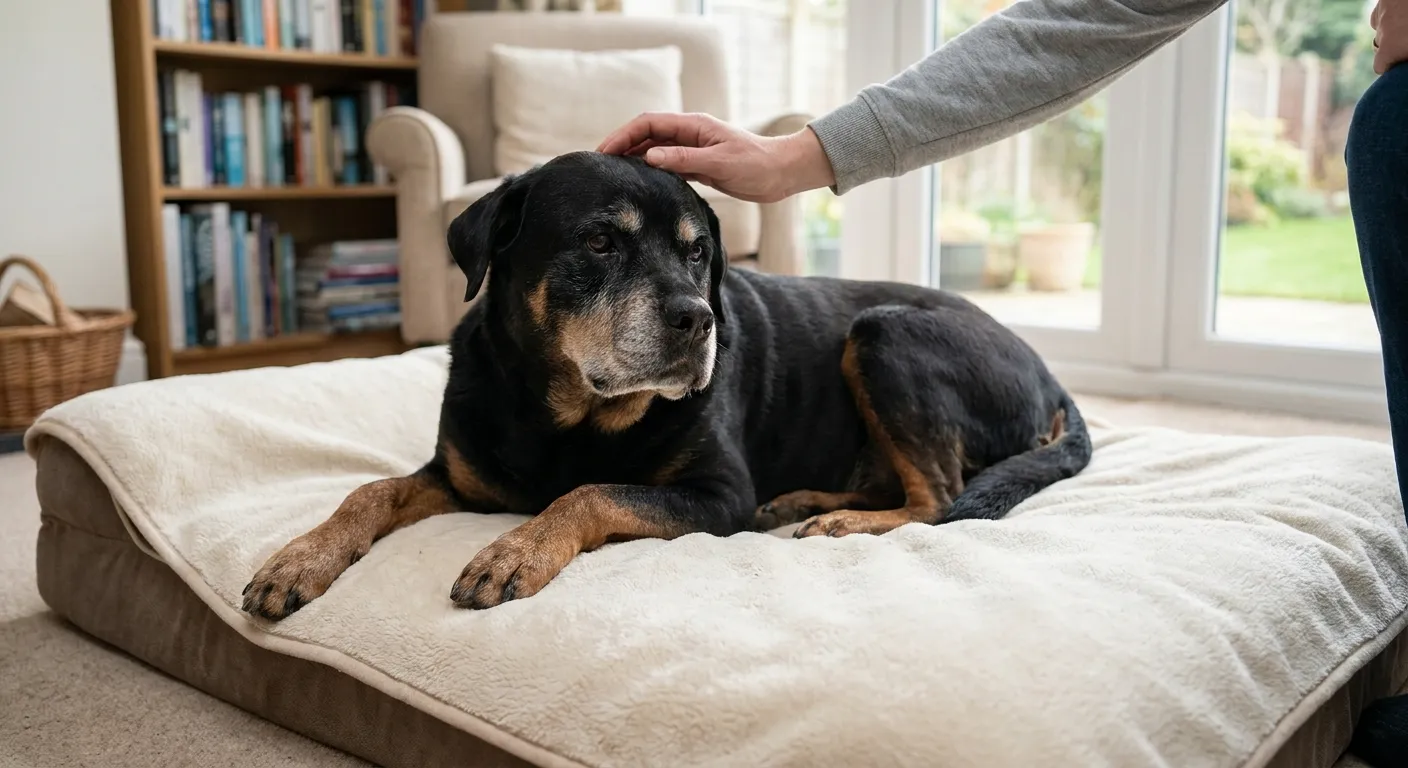
As our beloved Rottweilers enter their golden years, their needs evolve, demanding a more specialized approach to their well-being. Providing dedicated senior Rottweiler care is crucial to ensure their comfort, happiness, and continued good health during this important life stage. While the spirit of a Rottweiler often remains strong, their bodies may begin to show signs of aging, from reduced mobility to changes in appetite. Understanding and addressing these changes proactively can significantly enhance their quality of life. This guide outlines seven essential tips for caring for your senior Rottweiler.
Tailoring Nutrition for Aging Rottweilers
One of the most significant adjustments in senior Rottweiler care is their diet. As dogs age, their metabolism slows down, and their activity levels typically decrease. Consequently, they often require fewer calories to maintain a healthy weight, preventing obesity which can exacerbate joint problems. Look for high-quality senior dog foods specifically formulated for large breeds, which often contain lower fat content and added joint-supporting supplements like glucosamine and chondroitin. Consult your veterinarian to determine the best dietary plan, considering any existing health conditions your Rottweiler may have. Small, frequent meals can also aid digestion. For more detailed insights on feeding your adult dog, you might find our guide on Optimal Nutrition for Adult Rottweilers helpful.
Gentle Exercise and Joint Support
While an older Rottweiler may not have the boundless energy of their youth, regular, gentle exercise remains vital. Short, slow walks are preferable to strenuous activities, helping to maintain muscle tone, joint flexibility, and mental stimulation without overexertion. Avoid high-impact activities that could strain their joints. Consider incorporating low-impact options like swimming if available and safe. Alongside exercise, joint supplements can provide significant relief. Omega-3 fatty acids, glucosamine, and chondroitin can help reduce inflammation and support cartilage health. Furthermore, ensure comfortable bedding that provides ample support for their joints, such as orthopedic beds, to alleviate pressure points and improve sleep quality. Understanding your Rottweiler’s Daily Exercise Needs can help you adapt their routine as they age.
Regular Veterinary Check-ups and Comfort
Routine veterinary visits become even more critical as your Rottweiler ages. Bi-annual check-ups, rather than annual, are often recommended for senior dogs to catch potential health issues early, such as arthritis, kidney disease, dental problems, or cognitive dysfunction. Your vet can monitor changes, adjust medications, and recommend appropriate screenings. Beyond medical care, focus on creating a comfortable and accessible home environment. Ramps or steps can help them navigate furniture or vehicles, and non-slip mats can prevent falls on slick floors. Keep food and water bowls easily accessible, perhaps elevated, to prevent strain. Patience and understanding are paramount as you navigate these changes together, ensuring their golden years are as comfortable and joyful as possible. For specific advice on oral health, refer to our article on Comprehensive Dental Care for Rottweilers.
Maintaining Mental Stimulation for Senior Rottweilers
Just as their bodies age, a senior Rottweiler’s mind also benefits from continued engagement. Mental stimulation is a crucial component of effective senior Rottweiler care. Engaging their minds can help prevent cognitive decline and keep them happier. Simple puzzle toys, treat-dispensing toys, or even short, scent-based games can be excellent ways to keep their brains active. Teach them new, simple tricks or revisit old ones, always keeping training sessions short and positive. Remember, mental exercise is just as important as physical exercise for a well-rounded senior dog. These activities can also strengthen your bond, providing comfort and reassurance during their later years.
Managing Pain and Mobility Issues
Pain management is a significant aspect of comprehensive senior Rottweiler care. Many older dogs experience arthritis or other joint discomfort, impacting their mobility and overall quality of life. Consult your veterinarian about appropriate pain relief options, which might include NSAIDs (non-steroidal anti-inflammatory drugs), other medications, or alternative therapies like acupuncture or hydrotherapy. Providing a warm, soft bed in a draft-free area is also beneficial. Additionally, consider using supportive harnesses for walks if your Rottweiler struggles with stability, offering them extra security and preventing falls. These measures collectively contribute to their comfort and ability to move more freely.
Grooming and Hygiene Adjustments
As Rottweilers age, their grooming needs may change, making adjustments to their routine an essential part of senior Rottweiler care. They might become less flexible, making self-grooming difficult, or their skin and coat might become drier. Regular, gentle brushing helps to remove loose hair, stimulate circulation, and allows you to check for any lumps, bumps, or skin irritations that might be new. Pay close attention to their nails, as older dogs may not wear them down as much, leading to overgrowth and discomfort. Similarly, ear cleaning should be done routinely to prevent infections. Bathing might need to be less frequent, using mild, moisturizing shampoos. For a general guide on coat care, see our tips on Essential Rottweiler Grooming.
Creating a Safe and Accessible Home Environment
Ensuring your home is safe and accessible for your aging Rottweiler is fundamental to excellent senior Rottweiler care. This means anticipating their physical limitations and making necessary modifications. Beyond ramps and non-slip mats mentioned earlier, consider rearranging furniture to create clear pathways, especially for dogs with vision impairment. Ensure all medications and potentially harmful substances are out of reach. If your Rottweiler experiences incontinence, use absorbent pads or dog diapers to maintain hygiene and comfort. Furthermore, provide a quiet, easily accessible retreat where they can rest undisturbed, particularly if there are other pets or children in the household. These thoughtful adjustments demonstrate your commitment to their comfort and security.
Monitoring for Cognitive Changes
Another vital aspect of senior Rottweiler care involves monitoring for signs of cognitive dysfunction syndrome (CDS), often referred to as ‘doggy dementia.’ Symptoms can include disorientation, changes in sleep-wake cycles, altered interactions with family members, house-soiling, and decreased activity levels. If you notice any of these signs, discuss them with your veterinarian. There are medications and dietary supplements that can help manage the symptoms and improve the quality of life for dogs with CDS. Early detection and intervention can make a significant difference in how well your Rottweiler copes with these age-related cognitive shifts. Maintaining a consistent daily routine can also provide comfort and reduce anxiety for dogs experiencing cognitive decline.
Emotional Support and Quality Time
Finally, and perhaps most importantly, providing ample emotional support and quality time is paramount in senior Rottweiler care. Your older Rottweiler still cherishes your companionship and affection. Spend time cuddling, gently petting, and simply being present with them. Their emotional well-being is intrinsically linked to their physical health. Be patient with any changes in their behavior or habits that come with age. Reassure them with your presence and kindness. These golden years are a precious time to strengthen your bond, offering them comfort, security, and unwavering love as they navigate the natural process of aging. Your dedication to their happiness will shine through every aspect of their care.
In conclusion, providing comprehensive senior Rottweiler care involves a holistic approach, addressing their evolving nutritional, physical, mental, and emotional needs. By being proactive, observant, and working closely with your veterinarian, you can ensure your beloved Rottweiler enjoys their golden years with dignity, comfort, and joy. Each tip presented here contributes to a fulfilling life for your senior companion, allowing them to thrive and continue enriching your family’s life.
FAQ: Frequently Asked Questions About Caring for Older Rottweilers
What are the first signs of aging in a Rottweiler?
Common early signs of aging in Rottweilers include reduced energy levels, stiffness after rest, changes in appetite or weight, increased sleeping, and a cloudy appearance in their eyes. You might also notice a decrease in their enthusiasm for once-favorite activities.
How often should an older Rottweiler visit the vet?
For most older Rottweilers, semi-annual (twice-yearly) veterinary check-ups are recommended. This allows your veterinarian to detect and address potential age-related health issues, such as arthritis, kidney disease, or dental problems, much earlier than annual visits would.
What kind of exercise is best for an aging Rottweiler?
Gentle, low-impact exercise is ideal for an aging Rottweiler. This includes short, slow walks, controlled leash strolls, and potentially swimming if it’s safe and enjoyable for them. The goal is to maintain muscle tone and joint flexibility without causing strain or overexertion.
Should I change my senior Rottweiler’s diet?
Yes, dietary adjustments are often necessary for an aging Rottweiler. They typically need fewer calories due to a slower metabolism and decreased activity. Opt for senior dog foods formulated for large breeds, often with lower fat and added joint support. Always consult your vet for a tailored nutritional plan.
How can I make my home more comfortable for my elderly Rottweiler?
To enhance comfort, provide orthopedic bedding for joint support, use non-slip mats on slick floors, and consider ramps or steps for accessing furniture or vehicles. Ensure food and water bowls are easily accessible, possibly elevated, to minimize neck strain.
Is cognitive decline common in older Rottweilers?
Yes, cognitive dysfunction syndrome (CDS), similar to dementia, can affect older Rottweilers. Symptoms include disorientation, changes in sleep patterns, altered interactions, and house-soiling. If you observe these signs, discuss them with your vet, as treatments and management strategies are available to improve their quality of life.