
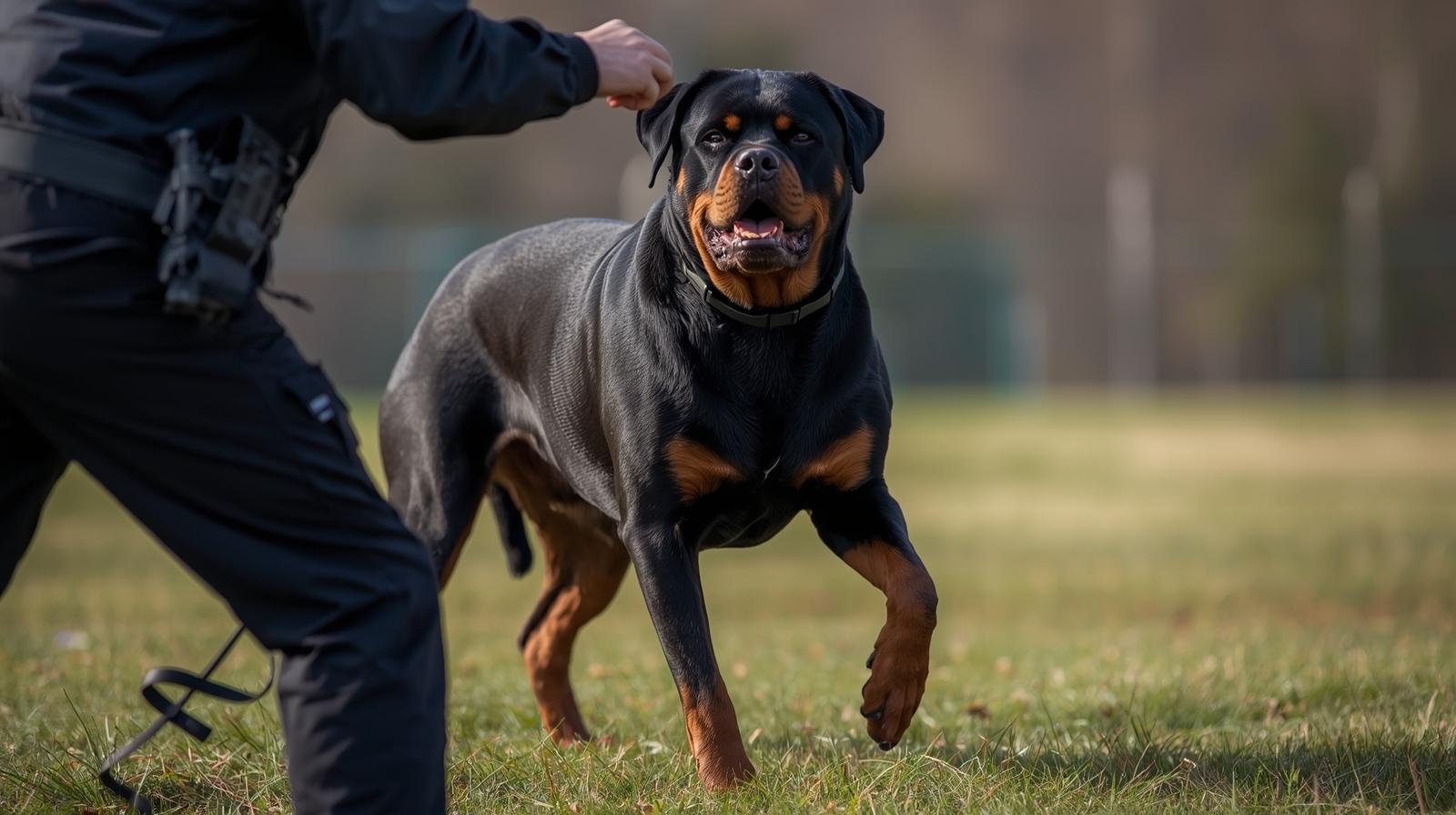
Adolescent Dogs Testing Boundaries is one of the most frustrating stages of dog ownership. Just when your puppy seemed trained, behavior may suddenly change. However, this phase is normal and temporary.
During adolescence, dogs experience hormonal shifts and growing independence. As a result, they may ignore commands, push limits, or act impulsively. Although it feels personal, it is developmental.
Understanding why this happens helps you respond effectively. Instead of reacting emotionally, you can guide your dog through this stage with structure and patience.
Why Adolescence Changes Behavior
Around six to eighteen months, most dogs enter adolescence. At this stage, confidence grows quickly. Therefore, curiosity often replaces compliance.
Previously learned commands may seem forgotten. In reality, your dog remembers them. However, distractions become more interesting than listening.
Hormones also influence behavior. Increased energy and alertness may appear overnight. Consequently, even calm puppies can seem restless.
Social awareness expands as well. Dogs begin testing social rules, including household expectations. This period mirrors human teenage years.
Because development drives these changes, punishment rarely solves the issue. Instead, guidance and consistency restore balance.
Common Signs of Adolescent Dogs Testing Boundaries
Recognizing patterns helps you respond calmly. Adolescent Dogs Testing Boundaries often shows up in subtle ways first.
Ignoring known commands is common. A dog who once came immediately may hesitate or refuse. Selective listening becomes frequent.
Leash pulling may increase suddenly. Additionally, barking at distractions often intensifies. These behaviors reflect rising confidence.
Some dogs explore forbidden areas again. Counter surfing or chewing may return. Although frustrating, this behavior signals curiosity rather than defiance.
Energy spikes are typical. Restlessness, jumping, or rough play can increase. Because impulse control is still developing, patience remains essential.
Stay Consistent With Rules
Consistency forms the foundation of success. If rules shift daily, confusion grows. Therefore, keep expectations clear.
Enforce commands calmly every time. For example, require a sit before meals or door exits. Repetition strengthens habits.
Avoid laughing at unwanted behavior. Mixed reactions send mixed messages. Instead, redirect firmly yet calmly.
Family members must follow the same guidelines. Otherwise, dogs learn to test different people differently.
Structure creates security. When expectations remain predictable, behavior improves steadily.
Reinforce Basic Training Again
Many owners assume training is complete. However, adolescence requires reinforcement.
Return to short, focused sessions daily. Practice sit, stay, and recall in low-distraction settings first. Gradually increase difficulty.
Positive reinforcement works best. Reward desired actions quickly. Consequently, your dog connects behavior with outcome.
Keep sessions brief but frequent. Five to ten minutes maintains attention. Over time, reliability returns.
Even well-trained dogs benefit from refresher work. Revisiting foundations strengthens long-term obedience.
Adolescent Dogs Testing Boundaries and Social Behavior
Social changes often intensify during adolescence. Adolescent Dogs Testing Boundaries may appear around other dogs or strangers.
Your dog might challenge playmates differently. Rougher play or mounting can increase. Therefore, monitor interactions closely.
Confidence sometimes turns into reactivity. Barking or lunging may develop if guidance is lacking. Early correction prevents escalation.
Arrange controlled social experiences. Calm, balanced dogs make ideal companions. Structured exposure builds healthy habits.
Avoid chaotic environments temporarily. Overstimulation fuels poor decisions. Instead, introduce distractions gradually.
Manage Energy the Right Way
Adolescent dogs often seem tireless. However, endless exercise is not the solution.
Mental stimulation proves equally important. Puzzle toys, scent games, and obedience drills challenge the brain. Consequently, impulse control improves.
Structured walks encourage focus. Practice loose-leash walking and engagement exercises outdoors.
Rotate enrichment activities weekly. Variety prevents boredom and destructive habits.
Adequate rest also matters. Overtired dogs become hyperactive. Therefore, ensure quiet downtime daily.
Balanced outlets reduce frustration significantly.
Correct Without Overreacting
Frustration is understandable. Still, harsh punishment damages trust.
Instead, interrupt unwanted behavior calmly. Use a neutral tone and redirect to an appropriate action.
For example, if chewing begins, offer a suitable toy immediately. Reinforce when the correct choice occurs.
Timing matters greatly. Correct behavior within seconds. Delayed reactions confuse learning.
Stay emotionally steady. Dogs sense tension quickly. Calm leadership builds respect without fear.
Adolescent Dogs Testing Boundaries at Home
Home routines often face the biggest challenges. Adolescent Dogs Testing Boundaries may show up during feeding, greetings, or alone time.
Jumping on guests often increases. Reinforce calm greetings consistently. Ask for a sit before attention.
Crate regression sometimes appears. Reintroduce positive crate experiences gradually. Avoid forcing extended confinement suddenly.
Counter surfing can reemerge. Remove temptations proactively. Prevention works better than repeated correction.
Maintain predictable schedules. Dogs thrive on routine. Regular feeding, walks, and rest times reduce anxiety.
Strengthen Recall During This Stage
Recall commonly weakens during adolescence. Distractions easily override obedience.
Use high-value rewards during training. Special treats reserved for recall increase motivation.
Practice in controlled areas first. Long lines offer safety while reinforcing commands.
Call your dog only when success is likely. Avoid repeating commands endlessly. Instead, ensure follow-through calmly.
Celebrate successful responses enthusiastically. Positive emotion reinforces reliability.
With patience, recall improves again.
Build Leadership Through Guidance
Leadership does not require dominance. Instead, it means clarity and fairness.
Provide direction before problems arise. For example, ask for calm behavior before excitement builds.
Reward patience frequently. Waiting quietly for attention builds impulse control.
Teach “place” or mat training. This command creates structure during busy moments.
Remain confident and composed. Dogs follow steady guidance more willingly.
As trust grows, resistance decreases naturally.
Adolescent Dogs Testing Boundaries and Long-Term Development
This stage feels endless, yet it passes. Adolescent Dogs Testing Boundaries represents growth, not failure.
Consistent training during this period shapes adult temperament. Therefore, patience now pays off later.
Most dogs settle between eighteen months and two years. Maturity brings improved focus and calmness.
However, habits formed during adolescence remain. Reinforcing good behavior today prevents future issues.
View this phase as investment time. Your effort builds a stable adult companion.
When to Seek Professional Help
Sometimes challenges exceed home management. If aggression develops, consult a certified trainer promptly.
Persistent anxiety or destructive behavior may require expert evaluation. Early intervention prevents escalation.
Choose reward-based professionals. Avoid trainers who rely solely on punishment.
Group classes also provide structure and social exposure. Guidance in controlled settings boosts confidence.
Seeking help reflects responsibility, not failure.
Conclusion: Patience Creates Lasting Results
Adolescent Dogs Testing Boundaries can feel overwhelming. Yet this stage reflects growth and independence.
Instead of reacting with frustration, respond with structure. Reinforce training, maintain consistency, and guide calmly.
Remember that maturity takes time. With steady leadership, most dogs outgrow this challenging phase.
Your investment today builds tomorrow’s well-balanced adult. Stay patient, stay consistent, and trust the process.
FAQ
- Why does my teenage dog ignore commands suddenly?
Hormonal changes and increased independence often reduce focus during adolescence. - How long does the boundary-testing phase last?
Most dogs settle between 18 months and 2 years, though timing varies. - Should I punish unwanted behavior harshly?
No. Calm correction and redirection build trust and lasting obedience. - Is regression in house training normal?
Yes, temporary setbacks can happen. Reinforce routines consistently. - When should I hire a professional trainer?
Seek guidance if aggression, anxiety, or severe disobedience develops.