
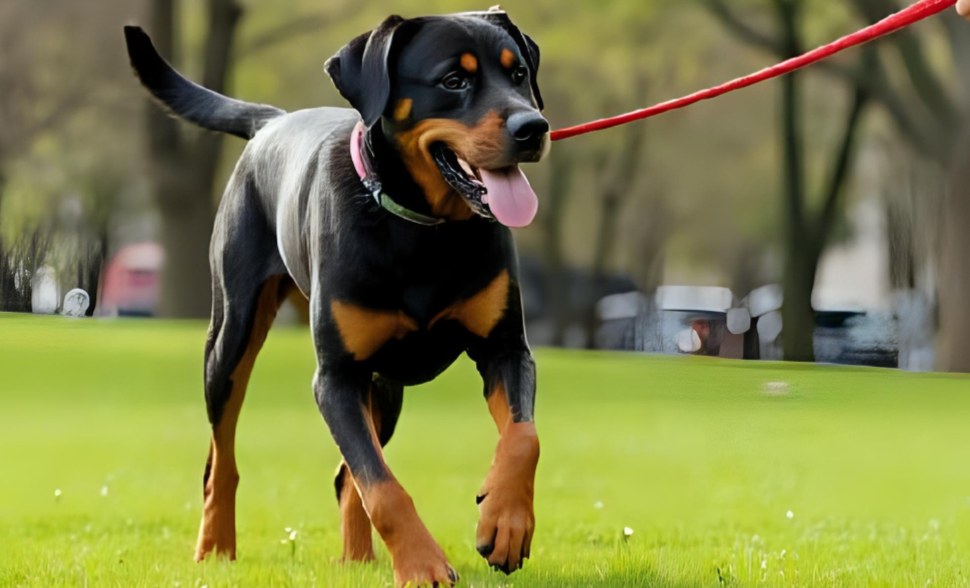
If every walk with your dog feels like a tug-of-war, you’re not alone. Many owners struggle to teach their dogs to walk calmly without pulling. The good news? Loose leash walking training works — when done the right way.
This method isn’t about control or dominance; it’s about communication and consistency. Once you master it, you’ll enjoy stress-free walks where your dog strolls beside you, focused, relaxed, and connected.
Why Loose Leash Walking Matters
Walking your dog should be a peaceful activity, not a power struggle. Yet, for many dog owners, pulling turns every outing into a frustrating workout.
Loose leash walking creates harmony between you and your dog. It teaches your dog that walking calmly brings rewards, while pulling gets them nowhere. This transforms your daily walks from chaotic to calm.
The Benefits of Loose Leash Walking
- Better control and safety on walks.
- Stronger bond built on trust and cooperation.
- Reduced risk of neck injuries and leash reactivity.
- Improved focus and attention to your commands.
A dog that walks loosely beside you is not just polite — they’re confident, secure, and well-trained.
Understanding Why Dogs Pull
Before you can fix the problem, you need to understand why your dog pulls. It’s not defiance — it’s instinct.
Dogs naturally walk faster than humans. They also love to explore, sniff, and lead the way. Every smell, sight, and sound is exciting. When they pull, they’re simply following curiosity — and if pulling works (meaning they get where they want), it becomes a learned behavior.
The Key: Change the Reward System
When your dog pulls, and you keep walking, they learn that tension equals progress. Loose leash walking flips that logic. The reward only comes when the leash is relaxed. Over time, this rewires their expectation: no pull = forward motion.
Step-by-Step Loose Leash Walking Training
Teaching loose leash walking takes patience and consistency. Follow these steps to help your dog master calm walking behavior.
Step 1: Choose the Right Equipment
The right gear sets you up for success.
- Harness: A front-clip or no-pull harness gives you control without straining your dog’s neck.
- Leash: Use a 4–6 foot standard leash (not retractable). It provides just enough space for freedom but allows control.
- Treats: Bring small, high-value rewards your dog loves — chicken, cheese, or soft training bites.
Avoid choke or prong collars; these rely on discomfort rather than learning.
Step 2: Start Indoors or in a Quiet Area
Begin training where distractions are minimal — your living room, backyard, or driveway. Practice indoors before heading outside. The calmer the environment, the easier it is for your dog to focus.
Step 3: Reward the Right Behavior
Hold the leash loosely and take a step forward. If your dog stays by your side with a relaxed leash, reward immediately. Use verbal praise (“Good walk!”) and give a treat.
If your dog rushes ahead and tightens the leash, stop moving. Wait until the leash loosens or your dog looks back at you, then reward and continue walking.
This simple pattern teaches:
- Pulling = stop
- Calm leash = move forward
Dogs quickly learn that pulling slows them down, while walking calmly earns progress and treats.
Step 4: Keep Sessions Short and Positive
Start with 5–10 minute sessions. End on a positive note, even if progress is small. Dogs learn best through frequent, upbeat repetition.
As your dog improves, gradually increase session length and distractions.
Step 5: Add Distractions Slowly
Once your dog can walk loosely indoors or in the yard, move to quiet outdoor areas. Don’t jump straight to crowded parks or busy sidewalks.
When distractions arise — people, other dogs, or noises — use treats to regain attention. Say your dog’s name, reward eye contact, and keep moving once they refocus on you.
Step 6: Practice “Change Direction” Training
If your dog surges forward, calmly turn in the opposite direction and encourage them to follow. Reward them when they catch up and walk beside you again.
This exercise teaches your dog to pay attention to your movements and stay near you rather than leading the way.
Using Verbal Cues and Body Language
Dogs read body language far better than words, but combining both strengthens communication.
Helpful Cues to Teach
- “Let’s go” – signals forward movement.
- “Easy” – reminds your dog to slow down.
- “Heel” – for walking close on your left or right side.
- “Wait” – for stopping at intersections or distractions.
Pair each cue with consistent body movement. For example, when you stop, stand still; when you say “Let’s go,” step forward confidently.
Your Posture Matters
Walk upright, relaxed, and confident. Avoid constant leash tension. The leash should hang loosely like a smile-shaped curve between you and your dog.
If you’re tense or pulling back, your dog feels it and may mirror that stress.
Common Mistakes That Ruin Leash Training
Even dedicated owners can unintentionally reinforce pulling. Avoid these pitfalls to make your training stick.
1. Allowing Pulling Sometimes
Inconsistency confuses your dog. If pulling works even once, your dog learns it might work again. Stay consistent: the leash never moves forward under tension.
2. Using a Retractable Leash
Retractable leashes reward pulling by design — the harder your dog pulls, the farther they go. They also increase injury risk for strong breeds like Rottweilers, Labs, or Shepherds.
3. Punishing or Yelling
Loose leash walking is about patience, not punishment. Yelling or jerking the leash creates anxiety and breaks trust. Instead, stay calm, stop walking, and wait for the right behavior.
4. Skipping Practice
Training once a week won’t work. Dogs learn through repetition. Practice every day, even for a few minutes, to reinforce good habits.
Real-Life Proofing: Taking It Outdoors
Once your dog understands the basics, test their skills in real-world settings. Start in a quiet park before advancing to busier environments.
Use “Check-Ins”
Encourage your dog to look at you periodically during walks. When they do, reward them. This simple behavior — often called “checking in” — keeps them mentally connected to you instead of the environment.
Add Variety to Keep It Fun
Vary your routes, pace, and direction. Dogs enjoy novelty. Change routines to keep training engaging. Reward with praise, play, or treats when your dog walks nicely beside you.
Stay Patient on Setbacks
Distractions happen. Don’t expect perfection right away. If your dog starts pulling again, go back a step — literally and figuratively. Consistency, not speed, creates reliable results.
Loose Leash Walking for Strong Breeds
Large breeds like Rottweilers, Huskies, and German Shepherds require extra control. Their strength can overwhelm you if you rely on equipment alone.
Harnesses That Help
- Front-clip harnesses guide the chest and reduce forward pulling.
- Dual-clip harnesses offer flexibility for different training stages.
- Martingale collars (used properly) provide gentle correction without choking.
Combine good equipment with steady, reward-based training to ensure safety and effectiveness.
Building the Habit Long-Term
Once your dog masters loose leash walking, maintain the habit. Practice short walks often, and always reinforce good behavior.
When your dog stays by your side out of habit rather than expectation, you’ve succeeded. Walking becomes effortless — a quiet rhythm of teamwork and trust.
Make Every Walk a Lesson
Every walk is a training opportunity. If your dog forgets their manners, use the same cues and techniques. Over time, calm walking becomes second nature.
Conclusion
Loose leash walking training isn’t just about control — it’s about connection. By replacing tension with communication, you teach your dog that walking together is a shared experience, not a battle of strength.
With the right tools, consistency, and patience, you’ll transform those daily walks into peaceful moments of partnership. Remember: every step you take together — calmly, side by side — strengthens your bond.
FAQ
1. How long does loose leash walking training take?
Most dogs improve within a few weeks of daily practice, but consistency determines lasting success.
2. Should I use a harness or collar for leash training?
A front-clip harness is best for teaching loose leash walking, as it reduces pulling safely.
3. What should I do if my dog keeps pulling?
Stop walking immediately, wait for a loose leash, then move forward again. Reward calm behavior.
4. Can older dogs learn loose leash walking?
Yes. Dogs of any age can learn, though older dogs may need more time and patience.
5. How can I keep my dog’s attention during walks?
Use treats, praise, and frequent direction changes to keep your dog focused on you instead of distractions.