
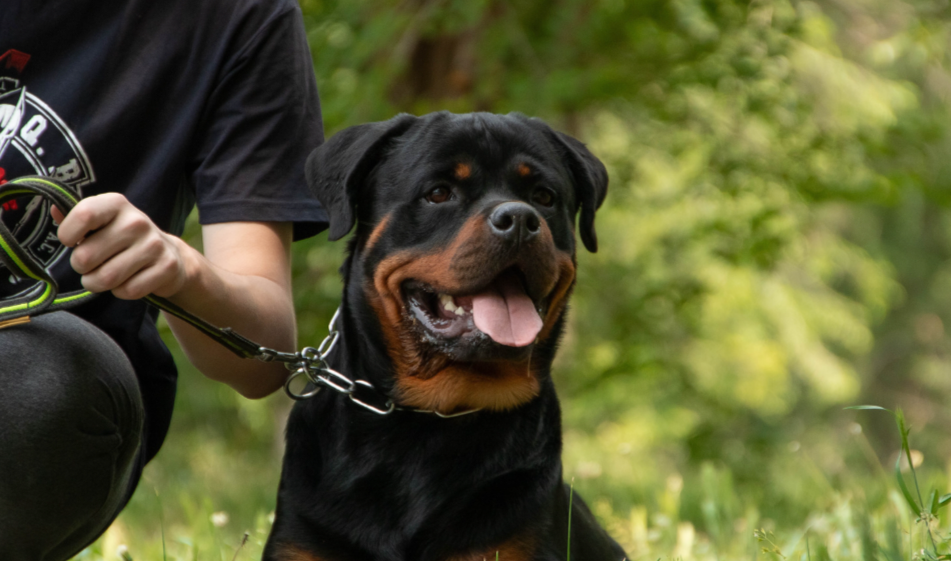
ogs crave adventure. They were born to explore, sniff, dig, and move — yet many dogs spend most of their days in the same backyard or on the same short walk. The result? Boredom, anxiety, and pent-up energy that often turn into problem behaviors.
The good news is that outdoor enrichment can change everything. By adding variety and purpose to your dog’s daily routine, you can make walks more engaging, strengthen your bond, and improve your dog’s mental health.
Here’s your complete guide to outdoor enrichment activities for dogs that they’ll absolutely love — simple, stimulating, and suitable for any breed or age.
What Is Outdoor Enrichment?
Outdoor enrichment means creating opportunities for your dog to use their natural instincts in healthy, productive ways. It’s not just exercise — it’s mental, emotional, and sensory engagement.
Enrichment gives your dog “a job” — something meaningful to do that satisfies their curiosity, instincts, and drive. Whether it’s sniffing, problem-solving, or exploring new environments, these activities help dogs feel fulfilled, calm, and balanced.
Why Enrichment Matters
- Reduces stress and anxiety
- Prevents destructive behavior
- Improves confidence and focus
- Strengthens your bond through shared experiences
- Provides physical and mental exercise
A tired dog isn’t necessarily a happy dog — but a fulfilled dog always is.
Sensory Adventures: Let Your Dog Sniff and Explore
For dogs, the nose is their gateway to the world. A single sniff walk engages their brain far more than a mile of fast-paced walking.
1. Sniff Walks (a.k.a. “Decompression Walks”)
Instead of a structured, fast-paced walk, let your dog lead the way at their own pace. Allow them to sniff, investigate, and explore. Use a long leash (10–15 feet) to give them freedom while maintaining safety.
These walks lower stress hormones, promote relaxation, and turn a routine outing into a sensory adventure.
2. Scent Trails
Create scent trails by dragging a treat bag, toy, or even your own sock along a short path in the grass or woods. Let your dog track the scent to find the hidden treasure.
This activity taps into your dog’s natural tracking instincts and provides rewarding mental stimulation.
3. Natural Scavenger Hunts
Hide treats or toys under leaves, behind trees, or in the grass. Give your dog clues like “Find it!” and watch their nose go to work.
You can make it more challenging over time — using longer distances, varied scents, or multiple hiding spots.
Movement-Based Enrichment: Engage Their Body and Mind
Dogs love to move — but movement combined with purpose boosts both physical fitness and brain engagement.
4. Hiking and Trail Exploration
Switch up your walking routes and head to nature trails. The uneven terrain, new smells, and sounds challenge your dog physically and mentally.
Bring water, a harness, and tick protection. Let your dog climb over logs, step through streams, and navigate rocks — it’s nature’s version of agility training.
5. Obstacle Courses in the Park
Turn your local park into an adventure playground. Use benches for “Up” and “Down” commands, weave between trees, or jump over fallen branches.
This builds balance, body awareness, and confidence — perfect for nervous or high-energy dogs.
6. Swimming or Water Play
Many dogs love water, and it’s an excellent low-impact exercise. Whether at a dog-friendly lake or using a backyard kiddie pool, supervised water play helps burn energy while keeping your dog cool in summer.
Always check for safe, clean water and ensure your dog wears a life jacket if swimming in deeper areas.
Interactive Games: Strengthen the Bond Through Play
Playtime outdoors is more than entertainment — it’s relationship-building. These games teach communication, trust, and teamwork.
7. Fetch With a Twist
Instead of mindless throwing, add rules. Ask your dog to “Sit” or “Stay” before releasing them to chase the ball. This turns a simple game into an impulse-control exercise while keeping it fun.
8. Tug-of-War
When done right, tug is a safe and powerful bonding activity. It builds strength and teaches self-control. Always use clear rules: start and end the game on your cue (“Take it” and “Drop it”).
Letting your dog “win” occasionally boosts confidence and satisfaction.
9. Hide-and-Seek
Hide behind a tree or large object and call your dog. Reward them with praise or a treat when they find you.
This simple game strengthens recall and builds trust. Dogs love using their senses to locate their favorite person.
Mental Challenges: Outdoor Problem-Solving
Enrichment isn’t just about running around — mental work can tire a dog out faster than physical exercise. Try outdoor activities that encourage thinking and focus.
10. Treat Puzzles Outside
Bring interactive food puzzles or slow feeders outdoors. The change of environment makes them more exciting and distracting sounds add a challenge.
You can also scatter kibble in the grass and let your dog forage naturally — a fun, calming way to eat.
11. Training in the Wild
Move your obedience or trick training sessions outside. Practice “Sit,” “Stay,” “Come,” and “Leave it” in parks, trails, or yards with mild distractions.
Training outdoors reinforces reliability and focus, even with competing sights and smells.
12. DIY Foraging Boxes
Fill a shallow box with leaves, sand, or bark, then hide treats inside. Let your dog dig and sniff to uncover the rewards. This satisfies natural foraging instincts in a safe, structured way.
Social Enrichment: Safe and Positive Interactions
Social experiences are an important part of your dog’s enrichment — but only when managed properly. Not every dog enjoys group play, so always prioritize comfort and safety.
13. Dog Playdates
Invite a compatible, well-mannered dog for a play session in your yard or a quiet park. Keep the play structured: start calm, supervise closely, and take breaks when energy gets too high.
Social play teaches body language, boundaries, and cooperation.
14. Dog-Friendly Outings
Take your dog on low-stress adventures — pet-friendly cafés, farmers’ markets, or outdoor events. These experiences build confidence, social adaptability, and calm behavior in stimulating environments.
15. Pack Walks
Join or organize group walks with other well-behaved dogs. Walking together promotes calm socialization and strengthens leash manners. It’s also a great way to bond with other dog owners while your pup practices good behavior.
Environmental Exploration: Change the Scenery
Dogs thrive on novelty. Walking the same route every day can make life predictable and dull. Changing environments offers new smells, sounds, and textures — all vital for enrichment.
16. Urban Adventures
City walks can be just as enriching as nature hikes. Let your dog safely experience busy sidewalks, traffic sounds, and city parks. These varied environments build confidence and desensitize them to urban life.
17. Seasonal Experiences
Let your dog experience different surfaces — crunchy leaves in autumn, snow in winter, and soft grass in spring. Each season provides fresh sensory opportunities and mental engagement.
18. “Follow the Leader” Walks
Let your dog choose the route for a few minutes. Stop where they stop, change direction when they do. This small gesture gives them control, satisfying curiosity while strengthening your relationship.
Safety Tips for Outdoor Enrichment
Outdoor fun should always be safe. Keep these precautions in mind before heading out.
- Use proper ID: Make sure your dog wears a tag with your contact info and is microchipped.
- Check weather conditions: Avoid extreme heat or cold.
- Bring water and first-aid supplies.
- Inspect gear: Leashes, harnesses, and collars should be in good condition.
- Supervise off-leash time: Always ensure the area is secure and safe.
Safety allows your dog to explore freely without risk.
Conclusion
Outdoor enrichment isn’t just about keeping your dog busy — it’s about fulfilling their instincts, boosting confidence, and deepening your bond.
By incorporating activities like sniff walks, obstacle play, scent games, and social outings, you’ll transform every outdoor moment into an opportunity for learning and joy.
The best part? Enrichment doesn’t require expensive gear or special training — just time, creativity, and a willingness to see the world through your dog’s eyes.
Make every outing meaningful, and you’ll raise a happier, calmer, and more connected companion.
FAQ
1. How often should I do outdoor enrichment activities?
Daily is ideal. Even short 15-minute enrichment sessions can make a big difference in your dog’s happiness.
2. What if my dog isn’t social with other dogs?
Focus on solo enrichment like sniff walks, foraging, or puzzle play. Socializing isn’t required for fulfillment.
3. Can senior dogs enjoy outdoor enrichment?
Absolutely. Choose low-impact activities like slow sniff walks, gentle puzzles, and scent games.
4. Are enrichment activities suitable for puppies?
Yes, but keep them short and positive. Early enrichment builds confidence and prevents fear-based behaviors.
5. What’s the best enrichment activity for high-energy dogs?
Combine physical and mental outlets — hiking, fetch with rules, and scent trails work wonders for active breeds.