
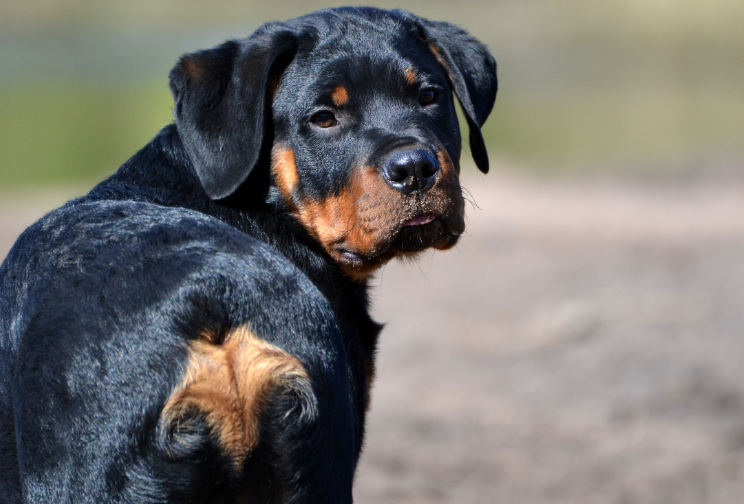
Raising a Rottweiler puppy is a rewarding experience — but it’s also a serious responsibility. These intelligent, loyal, and strong dogs grow into powerful adults, and how you guide them during their first year shapes their entire personality.
If you focus on raising a confident Rottweiler puppy, you’ll develop a companion who’s calm, self-assured, and well-mannered in every situation. Confidence in a Rottweiler doesn’t come from force — it comes from trust, structure, and consistent care.
Understanding the Rottweiler Temperament
Before diving into training, it’s essential to understand what makes the Rottweiler unique. Rottweilers are naturally confident, intelligent, and protective. They form deep bonds with their families and thrive on purposeful routines.
However, without proper socialization and training, their strong instincts can turn into nervousness or overprotectiveness. The goal of raising a confident Rottweiler puppy is to channel that natural strength into calm assurance.
Confidence doesn’t mean dominance — it’s about security. A confident Rottweiler trusts their owner, reads cues well, and stays relaxed even in new situations.
Start early. From the moment your puppy comes home, every interaction teaches them how to respond to the world.
The Importance of Early Socialization
Socialization is the foundation of your puppy’s confidence. Between 8 and 16 weeks, Rottweilers are most open to new experiences. During this time, gently introduce them to:
- Different people (men, women, children, elderly)
- Other vaccinated, well-behaved dogs
- New sounds like cars, vacuums, or doorbells
- Environments such as parks, pet-friendly stores, and quiet streets
Make every experience positive. Offer treats, praise, and patience. If your puppy hesitates, let them observe from a distance before encouraging closer contact.
Socialization isn’t about overwhelming them — it’s about teaching that new things aren’t threats. The more they see, hear, and experience calmly, the more balanced they become as adults.
Building Confidence Through Routine and Structure
A predictable environment helps your puppy feel secure. Dogs, especially Rottweilers, thrive on knowing what to expect.
Setting Boundaries Early
Structure builds confidence. Clear rules prevent confusion and anxiety. Decide early on what behaviors are allowed — and stick to them.
For example:
- No jumping on people.
- Wait before eating.
- Sit before going outside.
Consistency is key. Every family member should follow the same rules. When your puppy understands what’s expected, they become calmer and more trusting.
Creating a Safe and Predictable Environment
Provide a quiet space like a crate or designated area where your puppy can rest. This teaches independence and gives them a sense of safety.
Keep daily routines consistent — feeding, playtime, and walks should follow a rhythm. Predictability helps prevent insecurity and builds a stable mindset.
Training Techniques for a Confident Rottweiler Puppy
Rottweilers are intelligent and eager to learn, but they respond best to kindness and structure — not punishment.
Positive Reinforcement and Patience
Reward-based training builds trust and motivation. Use treats, toys, and verbal praise to encourage good behavior.
Start with basic commands like sit, stay, come, and heel. Practice in short sessions, keeping things fun and positive.
Never yell or punish harshly. Fear erodes confidence. Instead, redirect mistakes calmly and reward progress.
Confidence grows when your puppy succeeds. Small wins each day create lasting assurance.
Exposure to New Experiences
Expose your puppy gradually to different situations — new people, vehicles, surfaces, and noises. Each new experience builds resilience.
If they seem nervous, stay calm yourself. Your reaction teaches them how to feel. When you act relaxed, they learn there’s nothing to fear.
By the time they’re six months old, your Rottweiler should feel comfortable walking in public, meeting strangers, and experiencing busy environments.
Nutrition and Exercise for Healthy Development
A confident Rottweiler starts with a healthy body. Proper nutrition and exercise keep energy balanced and prevent behavioral issues.
Feeding for Strength and Focus
Feed your puppy a high-quality diet designed for large breeds. Look for formulas rich in protein, healthy fats, and essential minerals to support joint and brain development.
Avoid overfeeding — Rottweilers are prone to weight gain, which can affect movement and confidence. Feed measured portions 2–3 times per day until they’re adults.
Fresh water should always be available. Hydration supports healthy skin, coat, and digestion.
The Role of Exercise in Confidence Building
Rottweilers have strong working instincts. Regular physical activity releases energy and prevents frustration.
Include:
- Daily walks
- Play sessions with fetch or tug
- Training drills like recall or “stay” games
Mental and physical exercise reduce boredom and keep your puppy’s focus sharp. A tired puppy is a balanced, confident puppy.
Mental Stimulation and Bonding Activities
Confidence doesn’t just come from physical strength — it’s built through engagement. Mental stimulation prevents restlessness and strengthens your bond.
Try puzzle toys, scent games, or basic obedience practice throughout the day. Teaching your Rottweiler to problem-solve builds independence and self-assurance.
Training sessions should end on success. When your puppy feels capable, their confidence naturally grows.
Bonding time is equally important. Gentle grooming, calm cuddles, and consistent routines deepen trust. A secure bond forms the emotional backbone of a confident dog.
Handling Fear or Shyness in Your Puppy
Even confident breeds have moments of hesitation. If your Rottweiler seems nervous in certain situations, don’t force them.
Stay patient and let them explore at their pace. Reward small steps toward bravery. Gradually increasing exposure builds comfort without pressure.
Avoid comforting in a fearful tone — that can reinforce anxiety. Instead, remain neutral, guide them calmly, and let them observe until ready.
Confidence develops through success, not speed. Each small victory builds a more courageous adult dog.
Conclusion
Raising a confident Rottweiler puppy is about balance — love, structure, patience, and exposure. You’re shaping more than behavior; you’re shaping trust.
From early socialization to consistent routines, every step you take teaches your puppy how to navigate the world with calm assurance.
When raised with guidance and kindness, your Rottweiler grows into a loyal, intelligent companion who meets life with strength and serenity.
Your commitment today creates the confident, dependable dog you’ll be proud to walk beside for years to come.
FAQ
1. When should I start training my Rottweiler puppy?
Start basic training the day your puppy comes home, using positive reinforcement and short, fun sessions.
2. How can I help my Rottweiler overcome fear?
Stay calm, use gradual exposure, and reward confident behavior. Avoid forcing them into stressful situations.
3. How much exercise does a Rottweiler puppy need?
Two short walks and several play sessions daily are ideal. Avoid over-exercising young puppies to protect joints.
4. What’s the best age for socialization?
The most critical window is between 8 and 16 weeks, but continued socialization throughout the first year is essential.
5. Can a shy Rottweiler puppy become confident?
Yes. With patience, structure, and positive reinforcement, even timid puppies can grow into calm, confident adults.