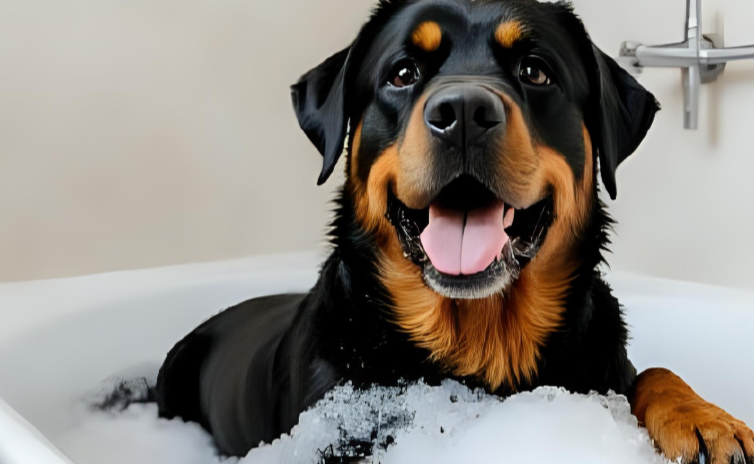
Rottweilers are known for their muscular build, confident stance, and glossy black-and-tan coats. But keeping that signature shine and healthy skin doesn’t happen by accident — it takes the right grooming routine. Brushing and bathing your Rottweiler properly not only enhances their appearance but also strengthens your bond and supports overall health.
This guide walks you through the essentials of Rottweiler grooming — how often to brush and bathe, what tools to use, and how to make grooming a relaxing part of your dog’s life.
Understanding the Rottweiler Coat
Before diving into grooming, it’s important to know what you’re working with. Rottweilers have a short, dense double coat. The outer coat is coarse and straight, while the undercoat is softer and helps regulate body temperature.
Although Rottweilers aren’t heavy shedders year-round, they blow their coat twice a year — in spring and fall — when shedding increases noticeably. Regular grooming during these times prevents matting, reduces hair around your home, and keeps your dog comfortable.
Coat Health Reflects Overall Health
A Rottweiler’s coat should be sleek and shiny, not dull or flaky. If your dog’s coat looks lackluster or they’re shedding excessively, it may signal dietary imbalances, stress, or underlying skin issues. Routine grooming helps you spot these problems early.
Brushing Your Rottweiler: Step-by-Step
Brushing isn’t just for looks — it removes loose hair, distributes natural oils, and stimulates circulation for healthier skin. For Rottweilers, brushing two to three times a week is usually enough, though daily brushing helps during heavy shedding seasons.
Step 1: Choose the Right Tools
The best brushes for Rottweilers include:
- Rubber grooming mitt or curry brush: Great for removing loose hair and massaging the coat.
- Bristle brush: Helps smooth the coat and bring out its natural shine.
- Undercoat rake: Useful during shedding seasons to remove dead undercoat hair.
Avoid harsh metal slicker brushes, as they can irritate the skin on short-haired breeds like Rottweilers.
Step 2: Brush in the Right Direction
Always brush in the direction of hair growth — from head to tail. Start with gentle strokes, applying light pressure to avoid scratching the skin. Pay attention to areas where shedding is heavier, like the neck, shoulders, and hindquarters.
Step 3: Focus on Problem Areas
Behind the ears, around the neck, and near the tail are common spots where hair buildup occurs. Gently loosen any clumped fur and check for dry patches or bumps.
While brushing, use the time to check for ticks, fleas, or skin irritation. Early detection prevents small issues from becoming major problems.
Step 4: Reward and Reinforce
Make brushing enjoyable by rewarding calm behavior with praise or treats. When grooming feels positive, your Rottweiler will learn to relax and even look forward to it.
Bathing Your Rottweiler: How Often and How Right
Unlike long-haired breeds, Rottweilers don’t require frequent baths. Over-bathing can strip away natural oils, leading to dry skin. The ideal frequency is every 6 to 8 weeks, or whenever your dog gets especially dirty or starts to smell.
Step 1: Prepare the Essentials
Gather everything before you start:
- Dog-safe shampoo (formulated for short coats or sensitive skin)
- Conditioner (optional, but great for maintaining shine and softness)
- Towels
- Non-slip mat
- Brush
- Cup or detachable showerhead
Using the right shampoo is essential — avoid human shampoos, which can disrupt your dog’s skin pH and cause irritation.
Step 2: Brush Before Bathing
Brushing before the bath removes loose hair and tangles, allowing the shampoo to reach the skin more effectively. It also helps prevent shedding clumps from clogging your drain.
Step 3: Use Lukewarm Water
Rottweilers have dense coats, so make sure water penetrates to the skin. Wet your dog thoroughly with lukewarm water — not too hot or cold. Test the temperature on your wrist first.
Step 4: Apply Shampoo and Massage Gently
Lather the shampoo starting from the neck and working down the body. Use gentle circular motions to massage it into the coat. This not only cleans but also stimulates natural oil production.
Avoid getting soap in the eyes, ears, or mouth. You can use a damp cloth to clean the face area safely.
Step 5: Rinse Thoroughly
This step is critical — leftover shampoo can cause irritation or dandruff. Rinse until the water runs completely clear. For Rottweilers, this may take an extra minute or two due to their thick coat.
Step 6: Dry Properly
Towel-dry your Rottweiler thoroughly. You can use a blow dryer on a low, cool setting if your dog tolerates it. Ensure they’re completely dry before going outside — wet coats can lead to chills or skin infections, especially in cooler weather.
Post-Bath Care: Keeping the Coat Healthy
After the bath, brushing again helps remove loosened hair and enhances shine. Apply a light spritz of dog-safe coat conditioner or coconut oil spray to keep the fur soft and hydrated.
Use this time to trim nails, clean ears, and inspect paw pads for cracks or debris. Integrating these steps into your grooming routine saves time and ensures full-body care.
Dealing with Common Grooming Challenges
Even the best-groomed Rottweilers can face some coat or skin issues. Here’s how to handle the most common ones.
1. Excessive Shedding
Shedding spikes during seasonal changes. Use an undercoat rake and ensure a high-quality diet rich in Omega-3 and Omega-6 fatty acids to reduce hair loss.
2. Dry or Itchy Skin
Dry skin often comes from over-bathing or poor shampoo choice. Switch to a moisturizing formula and avoid frequent washing. Adding fish oil supplements can also improve coat condition.
3. Odor Between Baths
Rottweilers can develop a “doggy smell” if their coat traps dirt or oils. Regular brushing and spot-cleaning with grooming wipes can help keep them fresh.
4. Bath-Time Anxiety
If your Rottweiler dislikes baths, start with desensitization. Let them explore the tub while dry, reward calmness, and use treats during each step. A calm environment and routine build trust over time.
Seasonal Grooming Adjustments
Your Rottweiler’s grooming needs shift with the seasons:
- Spring/Fall: Increase brushing to manage shedding.
- Summer: Bathe more often if your dog swims or plays outside. Use flea and tick prevention consistently.
- Winter: Reduce bathing frequency to prevent dry skin, and moisturize paw pads against cold weather.
Adjusting your grooming schedule keeps your Rottweiler comfortable and healthy all year long.
Conclusion
Maintaining a consistent brushing and bathing routine is essential for your Rottweiler’s well-being. Regular grooming enhances coat health, reduces shedding, prevents odor, and deepens the bond you share.
By using the right tools, following a calm routine, and keeping grooming positive, you’ll ensure your Rottweiler looks as good as they feel — strong, shiny, and full of confidence.
FAQ
1. How often should I brush my Rottweiler?
Two to three times a week is ideal, but daily brushing helps during shedding seasons.
2. Can I use human shampoo on my Rottweiler?
No. Always use dog-safe shampoo to maintain healthy skin pH and avoid irritation.
3. How often should I bathe my Rottweiler?
Every 6–8 weeks, or as needed if they get dirty or start to smell.
4. What’s the best brush for Rottweilers?
A rubber grooming mitt or bristle brush works best for short coats, while an undercoat rake helps during shedding.
5. How do I keep my Rottweiler calm during grooming?
Start young, stay patient, and use treats and praise to build positive associations with grooming.