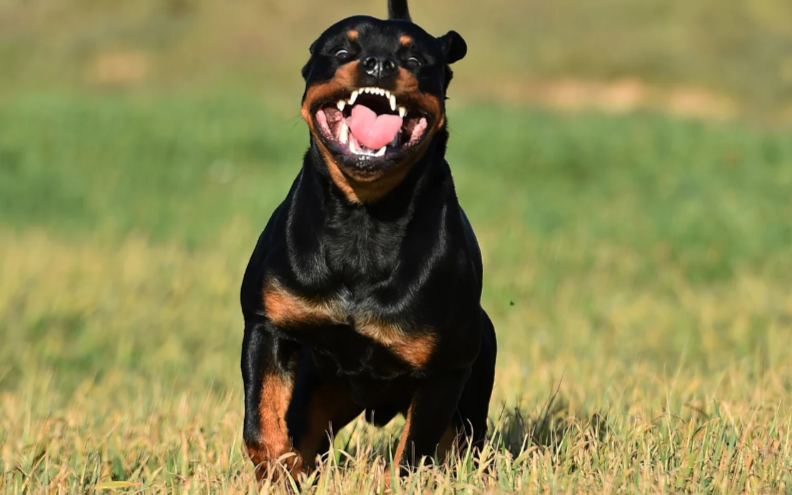
Watching a Rottweiler grow from a tiny, clumsy puppy into a confident, powerful adult is one of the most rewarding experiences for any dog owner. Understanding Rottweiler growth and development helps you support each stage — physically, mentally, and emotionally — ensuring your dog matures into a balanced, well-behaved companion.
Rottweilers are loyal, intelligent, and strong-willed. Their growth process is both fascinating and crucial to their lifelong well-being. Let’s explore what to expect at every phase, how to support healthy growth, and what milestones mark your Rottweiler’s journey from puppyhood to adulthood.
Understanding Rottweiler Growth Stages
Rottweilers go through distinct growth stages, each bringing new changes in size, temperament, and needs. Recognizing these stages helps you provide the right nutrition, exercise, and training at the right time.
Puppyhood: The Foundation of Development (0–6 Months)
This stage lays the foundation for your Rottweiler’s entire life. Puppies grow rapidly, both physically and mentally. They double their birth weight within days and reach around 30–40 pounds by 6 months.
Key characteristics:
- Rapid physical growth.
- Teething and chewing.
- High curiosity and playfulness.
- Early socialization and training readiness.
What to focus on:
- Introduce basic commands like sit, stay, and come.
- Expose your puppy to various people, sounds, and environments.
- Use positive reinforcement to build confidence.
- Feed high-quality puppy food designed for large breeds.
This period shapes your Rottweiler’s temperament — patience and gentle consistency are essential.
Adolescence: Building Strength and Confidence (6–18 Months)
Between 6 and 18 months, your Rottweiler transitions from puppy to young adult. They’ll gain muscle, coordination, and independence — sometimes testing boundaries as they mature.
Key characteristics:
- Rapid muscle development.
- Hormonal changes.
- Increased confidence (and occasional stubbornness).
- Energy spikes and growth plate development.
What to focus on:
- Continue obedience training with patience.
- Maintain consistent exercise — but avoid overexertion, as joints are still developing.
- Reinforce socialization and introduce calm interactions with other dogs.
This is when your Rottweiler’s personality truly starts to shine. Leadership, routine, and guidance help channel their growing strength and intelligence.
Adulthood: The Mature, Balanced Rottweiler (18 Months–7 Years)
By 18–24 months, your Rottweiler reaches physical maturity. Their growth slows, and they begin to develop full muscular form, weighing between 80 and 135 pounds depending on gender and genetics.
Key characteristics:
- Full height and muscle tone achieved.
- Stable temperament and predictable behavior.
- Strong bond with family and sense of territory.
What to focus on:
- Maintain regular exercise for muscle tone and mental health.
- Provide balanced nutrition to sustain weight and joint health.
- Continue mental challenges through obedience, scent work, or agility.
Adult Rottweilers thrive on structure, companionship, and purposeful activity. Keeping them engaged prevents boredom and maintains emotional balance.
Senior Years: Maintaining Health and Mobility (7+ Years)
As your Rottweiler enters their senior years, their metabolism slows, and their energy levels may decrease. Joints, eyesight, and hearing may show signs of aging.
Key characteristics:
- Reduced activity levels.
- Possible stiffness or arthritis.
- Slower digestion and energy metabolism.
What to focus on:
- Switch to senior dog food rich in joint-supporting nutrients.
- Keep walks shorter but regular to maintain mobility.
- Schedule regular vet check-ups for preventive care.
- Offer soft bedding and a comfortable, warm resting spot.
With gentle care, many Rottweilers remain active and affectionate well into their senior years.
Physical Growth and Weight Milestones
While every Rottweiler grows at their own pace, here’s a general guideline:
| Age | Average Weight (Male) | Average Weight (Female) |
|---|---|---|
| 2 months | 20–25 lbs | 15–20 lbs |
| 4 months | 45–55 lbs | 35–45 lbs |
| 6 months | 65–75 lbs | 55–65 lbs |
| 1 year | 95–115 lbs | 80–95 lbs |
| 2 years | 110–135 lbs | 90–105 lbs |
Rapid growth requires careful nutrition and balanced activity. Avoid overfeeding, as excess weight strains developing joints and bones.
Mental and Behavioral Development Through the Stages
Rottweilers are highly intelligent, but they need mental stimulation to channel their focus. From puppyhood to adulthood, mental development evolves alongside physical growth:
- Puppy stage: Curiosity and learning — ideal for basic training.
- Adolescent stage: Boundary testing — requires firm, calm consistency.
- Adult stage: Stability and confidence — thrives on advanced training or tasks.
- Senior stage: Calm and loyal — benefits from light mental stimulation like puzzles.
A well-socialized Rottweiler is confident, gentle, and protective without aggression.
Nutrition Tips for Healthy Growth
A Rottweiler’s nutrition directly affects bone development, muscle growth, and coat condition.
Feeding tips:
- Choose large-breed puppy food for the first 12–18 months.
- Maintain a protein-rich, moderate-calorie diet.
- Add omega-3s for joint and skin health.
- Feed two to three smaller meals instead of one large serving.
- Avoid calcium supplements unless prescribed — excess can harm bone growth.
Always monitor weight to prevent obesity, which can lead to hip or elbow dysplasia.
Training and Socialization at Each Stage
Training is vital for every phase of Rottweiler growth and development.
- Puppy stage: Start with short, positive sessions. Introduce crate training and social exposure.
- Adolescence: Reinforce obedience and impulse control; use patience through hormonal changes.
- Adulthood: Keep up advanced training and structured play for engagement.
- Senior stage: Adjust routines for comfort — focus on mental engagement over physical challenges.
Socialization prevents fear-based reactions and builds confidence, especially in large, powerful breeds like Rottweilers.
Common Growth Challenges in Rottweilers
Rottweilers are prone to certain growth-related issues, particularly if overfed or over-exercised during development:
- Hip and elbow dysplasia: Caused by rapid growth or excess weight.
- Panosteitis (growing pains): Temporary bone inflammation in young dogs.
- Joint stiffness: Linked to lack of proper exercise or poor diet.
Prevent these with controlled feeding, steady exercise, and regular veterinary checkups.
Conclusion
Understanding Rottweiler growth and development helps you support your dog’s journey from playful puppy to strong, balanced adult. Each stage brings its joys and challenges — but with proper nutrition, consistent training, and mindful care, your Rottweiler will thrive physically and emotionally for years to come.
Rottweilers grow quickly, love deeply, and remain loyal for life. By guiding them with patience and structure, you nurture not just a pet — but a lifelong companion who embodies strength, confidence, and devotion.
FAQ
1. When do Rottweilers stop growing?
Most Rottweilers reach full height by 18 months, but muscle and maturity continue developing up to 3 years.
2. How big do Rottweilers get?
Adult males typically weigh 110–135 pounds, while females average 85–105 pounds.
3. What should I feed my growing Rottweiler?
Feed high-quality large-breed puppy food and transition to adult food around 18 months.
4. How can I support healthy bone growth?
Provide balanced nutrition, avoid overfeeding, and keep exercise moderate during growth stages.
5. When should I start socializing my Rottweiler puppy?
Begin as early as 8 weeks with gentle, positive exposure to people, dogs, and environments.