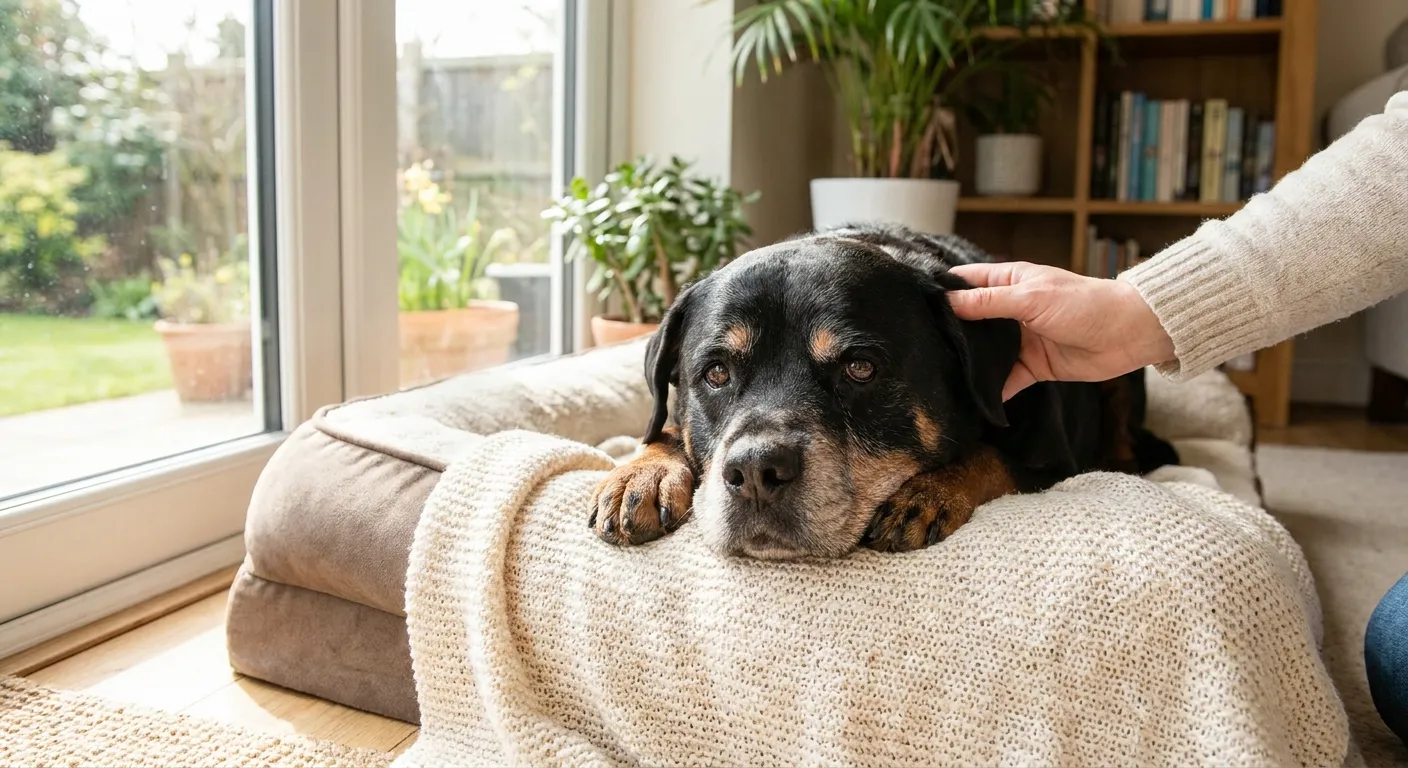
As your powerful and loyal Rottweiler transitions into their golden years, their needs evolve significantly. Providing exceptional senior Rottweiler care becomes a testament to the bond you share, requiring adjustments to their environment, diet, exercise, and veterinary oversight. This holistic guide will help you understand the changes your aging Rottweiler may experience and how to proactively support their comfort, dignity, and quality of life.
Recognizing the Signs of Aging in Your Rottweiler
Aging is a natural process. Rottweilers typically enter their senior years around 7-8 years old. Observing changes in their physical and behavioral patterns is crucial for early intervention. For example, subtle shifts can indicate underlying issues.
- Physical Changes: Slower movement, difficulty rising or climbing stairs, stiffness, grey muzzle, clouding of the eyes (lenticular sclerosis), hearing loss, dental issues, weight fluctuations, and increased sleep are common.
- Behavioral Changes: Reduced enthusiasm for play, increased irritability, disorientation, changes in sleep-wake cycles, house-soiling accidents, increased anxiety, or seeking more solitude may occur. These can be signs of Canine Cognitive Dysfunction (CDS), similar to Alzheimer’s in humans.
Adapting Their Environment for Comfort and Safety
Thoughtful environmental modifications can significantly enhance your older Rottweiler’s daily life. Consequently, small changes can make a big difference in their comfort.
- Non-Slip Surfaces: Lay down rugs or carpet runners on slippery floors to prevent falls and provide better traction. This is especially important for dogs with arthritis.
- Ramps and Steps: Provide ramps for accessing beds, couches, or vehicles to reduce strain on their joints. Consider products from our Crates, Bedding & Home Setup section.
- Accessible Essentials: Ensure food and water bowls are easily reachable, perhaps elevated to prevent neck strain. Place comfortable, orthopedic beds in quiet, easily accessible areas.
- Temperature Regulation: Senior dogs are more sensitive to temperature extremes. Provide warm, draft-free sleeping areas in winter and cool, shaded spots in summer.
- Night Lights: For dogs with vision impairment or CDS, night lights can help them navigate familiar spaces more easily.
Nutritional Adjustments for Optimal Senior Rottweiler Care
Diet plays a pivotal role in maintaining the health of your aging Rottweiler. Therefore, careful consideration of their nutritional needs is essential. Many resources on Food, Treats & Feeding Gear can help.
- Lower Calorie, Higher Fiber: Senior dogs often have reduced metabolism and activity levels. This necessitates a diet lower in calories to prevent obesity, which exacerbates joint problems. Increased fiber aids digestion and satiety.
- Joint Support: Look for senior formulas enriched with glucosamine, chondroitin, and omega-3 fatty acids to support joint health and reduce inflammation.
- Antioxidants: Vitamins E and C, along with other antioxidants, can help combat cellular damage and support cognitive function.
- Dental Health: If your Rottweiler has dental issues, consider softer food or adding warm water to kibble to make it easier to chew. Regular dental check-ups are also vital.
- Hydration: Ensure constant access to fresh water. Sometimes, adding a little water to their food can increase fluid intake.
Exercise and Mental Stimulation for Aging Canines
While their energy levels decrease, senior Rottweilers still need regular, appropriate exercise and mental engagement. This is a key component of effective senior Rottweiler care. Furthermore, it helps maintain muscle mass and cognitive function.
- Gentle Exercise: Replace long, strenuous walks with shorter, more frequent strolls. Swimming can be an excellent low-impact exercise for joint health.
- Physical Therapy: Consult your veterinarian about hydrotherapy or other physical therapy options. These can alleviate pain and improve mobility.
- Mental Enrichment: Continue to offer puzzle toys, scent games, and short training sessions to keep their minds active. Even a few minutes of mental work can be beneficial.
- Comfortable Gear: Ensure their walking harness and leash are comfortable and easy to use. Products for Training & Control Gear should prioritize comfort for older dogs.
Veterinary Oversight: The Cornerstone of Senior Rottweiler Care
Regular veterinary check-ups become even more critical as your Rottweiler ages. Early detection and management of age-related conditions significantly improve their quality of life. In fact, proactive veterinary care can extend their healthy years.
- Bi-Annual Check-ups: Instead of annual visits, consider taking your senior Rottweiler to the vet every six months. This allows for closer monitoring of health changes.
- Comprehensive Blood Work: Regular blood tests can detect issues like kidney disease, liver problems, diabetes, and thyroid imbalances early on.
- Pain Management: Discuss pain management strategies with your vet, especially if your dog shows signs of arthritis or other chronic pain. Non-steroidal anti-inflammatory drugs (NSAIDs), joint supplements, and other therapies can help.
- Dental Care: Professional dental cleanings under anesthesia may still be necessary, even for older dogs. Your vet can assess the risks and benefits.
- Eye and Ear Health: Monitor for changes in vision and hearing. Your vet can recommend treatments or strategies to manage these conditions.
Managing Common Health Issues in Senior Rottweilers
Aging Rottweilers are prone to several health conditions. Understanding and managing these is crucial for comprehensive senior Rottweiler care. Moreover, early intervention often leads to better outcomes.
- Arthritis and Joint Pain: This is perhaps the most common issue. Along with medication, consider orthopedic beds and gentle exercise.
- Canine Cognitive Dysfunction (CDS): If you observe disorientation, changes in interaction, sleep disturbances, or house-soiling, consult your vet. Medications and dietary supplements can help manage symptoms. You can learn more about general Health & Wellness for Rottweilers.
- Cancer: Rottweilers have a higher incidence of certain cancers. Regular veterinary check-ups and being vigilant for lumps, bumps, or unexplained weight loss are important.
- Kidney and Heart Disease: These conditions often progress slowly. Routine blood and urine tests can detect them early, allowing for dietary and medical management.
- Incontinence: Age-related incontinence can occur. Discuss options with your vet, which might include medication or management strategies like doggy diapers.
Maintaining Grooming and Hygiene for Senior Dogs
Grooming may become more challenging for an older Rottweiler, but it remains essential for their comfort and health. Therefore, adapt your routine to their changing needs. Our Grooming & Hygiene section offers helpful tools.
- Brushing: Regular brushing helps keep their coat healthy, distributes natural oils, and provides an opportunity to check for new lumps, bumps, or skin irritations.
- Nail Trims: Senior dogs may not wear down their nails as effectively. Keep their nails trimmed to prevent discomfort and mobility issues.
- Bathing: Bathe them as needed, using warm water and gentle shampoos. Ensure they are dried thoroughly, especially in cooler weather.
- Ear Cleaning: Regularly check and clean their ears to prevent infections, which can be more problematic for senior dogs.
- Dental Care: Continue with at-home dental care as tolerated, such as brushing with pet-specific toothpaste or using dental chews.
Emotional Support and Quality of Life
Beyond physical care, providing emotional support is paramount for your aging Rottweiler. Their emotional well-being directly impacts their overall quality of life. Indeed, a loving environment reduces stress.
- Patience and Understanding: Your senior dog may be slower, less responsive, or more prone to accidents. Offer patience and understanding, not frustration.
- Maintain Routine: A consistent daily routine provides comfort and security, especially for dogs with cognitive decline.
- Comfort and Affection: Continue to offer plenty of gentle affection, petting, and quiet companionship. These interactions reinforce your bond.
- Social Interaction: While they may prefer less strenuous activity, maintain appropriate social interaction with familiar people and calm dogs.
- Consider Palliative Care: As they near the end of their journey, discuss palliative and hospice care options with your veterinarian. This focuses on comfort and pain relief. For further reading, consult resources like the American Veterinary Medical Association (AVMA) on End-of-Life Care.
Making Tough Decisions: When to Say Goodbye
One of the most difficult aspects of owning a senior dog is knowing when to make the compassionate decision to say goodbye. This choice is deeply personal and should be made in consultation with your veterinarian. Ultimately, it is about preventing suffering.
- Quality of Life Assessment: Use tools like the HHHHHMM scale (Hurt, Hunger, Hydration, Hygiene, Happiness, Mobility, More Good Days Than Bad) to objectively assess your dog’s quality of life.
- Veterinary Guidance: Your vet can provide invaluable insight into your dog’s condition and prognosis. They can help you understand when medical interventions are no longer effective.
- Support Systems: Lean on family, friends, and pet loss support groups. This is a profoundly difficult time, and you don’t have to face it alone. The ASPCA provides pet loss support resources.
Conclusion
Providing thoughtful and compassionate senior Rottweiler care allows you to honor the years of loyalty and companionship your dog has given you. By understanding their changing needs, adapting their environment, adjusting their diet, and maintaining consistent veterinary care, you can ensure their golden years are filled with comfort, dignity, and love. Every moment with your aging companion is precious; cherish them and provide the best possible support.
FAQ: How do I know if my Rottweiler is considered a senior?
Rottweilers generally enter their senior years around 7 to 8 years old. You might observe physical changes like graying fur, slower movement, or behavioral shifts such as increased sleep or reduced enthusiasm for play.
FAQ: What are the most important dietary changes for an older Rottweiler?
For an older Rottweiler, focus on a diet lower in calories to prevent obesity, higher in fiber for digestion, and enriched with joint-supporting supplements like glucosamine and omega-3 fatty acids. Discuss specific recommendations with your vet.
FAQ: Can senior Rottweilers still exercise?
Absolutely! Senior Rottweilers still need exercise, but it should be modified. Opt for shorter, more frequent, gentle walks or low-impact activities like swimming. Always monitor them for signs of fatigue or pain.
FAQ: How often should an aging Rottweiler visit the vet?
It’s generally recommended that aging Rottweilers have veterinary check-ups every six months. This allows for early detection and management of age-related conditions, ensuring they receive timely care.
FAQ: What are common signs of Canine Cognitive Dysfunction in older dogs?
Signs of Canine Cognitive Dysfunction (CDS) can include disorientation, changes in social interaction, alterations in sleep-wake cycles, increased anxiety, or house-soiling accidents. If you notice these, consult your veterinarian.