Stop Leash Pulling: How to Control Power on Walks
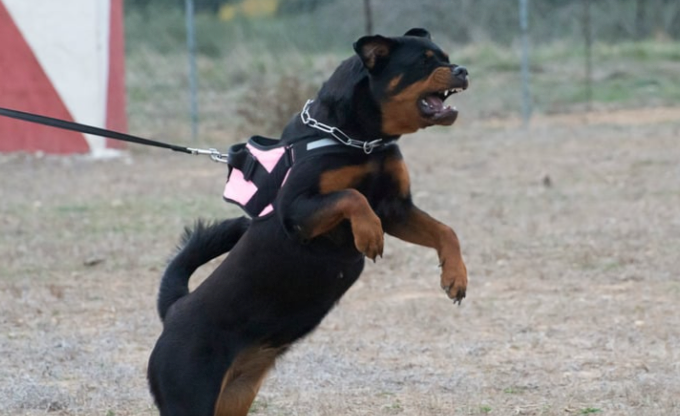
Walking a strong, excited dog can feel more like a tug-of-war than a peaceful stroll. One moment you’re holding steady, the next you’re being yanked forward as your dog charges ahead. If this sounds familiar, you’re not alone.
Leash pulling is one of the most common — and frustrating — challenges for dog owners. It’s not just about control; it’s about communication. When your dog learns to walk calmly beside you, walks become enjoyable again for both of you.
Let’s explore how to stop uncontrolled power on leash walks and turn your daily outings into calm, cooperative experiences.
Understanding Why Dogs Pull
Before fixing the problem, it helps to understand why it happens. Dogs don’t pull out of defiance — they pull because walking fast feels natural. Their instincts, energy levels, and curiosity drive them to move forward.
Common reasons include:
- Excitement: They want to explore every smell, sound, and sight.
- Lack of structure: They’ve never learned proper leash manners.
- Excess energy: Too little exercise before walks leads to pent-up drive.
- Reinforcement: Every time they pull and move forward, the behavior is rewarded.
Once you understand that pulling is a learned response, you can begin to replace it with better habits.
Setting the Foundation Before the Walk
A calm walk starts before you even step outside. Dogs feed off your energy. If you’re rushed, anxious, or distracted, they’ll mirror that tension.
Start by creating calm anticipation:
- Wait for stillness. Don’t clip on the leash until your dog is calm. If they jump or bark, wait quietly.
- Use structure. Have your dog sit before the door opens. Walking begins when you say so, not when they rush out.
- Control the doorway. Step out first. This small action reinforces leadership and focus.
These few seconds of pre-walk discipline set the tone for everything that follows.
Choosing the Right Equipment
Proper gear can make a big difference, especially with powerful breeds.
- Front-clip harness: Redirects pulling by turning your dog toward you instead of allowing forward momentum.
- Head halter: Offers gentle control over head direction but requires careful introduction.
- Standard leash (4–6 ft): Avoid retractable leashes — they teach your dog that tension equals freedom.
Equipment alone won’t fix behavior, but it helps you guide more effectively while teaching proper leash manners.
Mastering Leash Technique
How you hold the leash influences your control. A tight, tense grip signals resistance — which often increases pulling.
Try this method instead:
- Hold the leash with relaxed but steady hands.
- Keep it short enough for guidance but loose enough to maintain calm energy.
- Keep your elbows near your body to prevent being dragged forward.
The goal is to maintain a light, consistent connection — communicating through gentle tension and release, not force.
Teaching Loose-Leash Walking
Training begins the moment your dog steps forward. If they pull, stop immediately. Stand still and wait. Don’t yank, shout, or repeat commands — simply remove the reward of forward motion.
When the leash slackens, praise and continue walking. This teaches your dog that pulling gets them nowhere, but calm walking moves them forward.
Practice in quiet areas before progressing to busier environments. Patience is crucial — dogs learn through repetition and consistency, not speed.
Quick Tips for Success:
- Reward calm behavior, not excitement.
- Change direction often so your dog learns to pay attention.
- Keep sessions short at first to avoid frustration.
- Use positive reinforcement — praise, treats, or toys — when your dog stays beside you.
With consistency, your dog will start looking to you for cues instead of leading the walk.
Channeling Your Dog’s Energy
Strong, energetic dogs need outlets beyond the leash. Without enough physical and mental stimulation, they’ll bring excess energy into your walks.
Before heading out, spend 10 minutes playing fetch, practicing obedience drills, or using puzzle toys. This helps release tension and sharpens focus.
During walks, mix in short training moments — have your dog “sit” at curbs or “heel” past distractions. These mental breaks reinforce structure and keep their attention on you.
A tired dog walks better. A focused one walks perfectly.
Staying Calm and Consistent
Dogs sense emotion. If you grow frustrated, they feel it — and the walk becomes a power struggle. Stay composed, even when your dog tests boundaries.
Correct gently, praise often, and end every walk on a positive note. Consistency matters more than intensity.
The more your dog sees you as calm and dependable, the more willingly they’ll follow your lead.
When to Seek Professional Help
If your dog’s strength or reactivity feels overwhelming, don’t hesitate to seek help from a qualified trainer. A professional can evaluate your handling technique and tailor solutions to your dog’s personality and energy level.
Early intervention prevents frustration and builds safer, more enjoyable walks for both of you.
Conclusion
Learning how to stop leash pulling isn’t just about obedience — it’s about connection. Each walk is a chance to build trust, reinforce calm leadership, and strengthen your bond.
When you replace force with focus, tension with trust, and chaos with calm, your dog learns to follow willingly. The result? Walks that feel peaceful, confident, and full of teamwork.
A leash isn’t a tool for control — it’s a line of communication. And when you use it with understanding, your walks become what they were always meant to be: a shared journey side by side.
FAQ
1. Why does my dog pull even after training?
Pulling often returns when consistency slips. Reinforce training regularly and reward calm walking.
2. Should I use a harness or collar for leash training?
A front-clip harness offers more control for strong dogs and prevents neck strain.
3. How long does it take to stop leash pulling?
Most dogs improve within a few weeks of daily, consistent training.
4. Is leash pulling a sign of dominance?
Not necessarily. It’s usually excitement, lack of structure, or habit — not dominance.
5. Can older dogs learn to walk without pulling?
Yes. Dogs of any age can learn new habits with patience and proper reinforcement.