
It’s easy to dismiss a bit of bad breath from your beloved Rottweiler. Many owners simply assume it’s a normal part of dog ownership. However, persistent bad breath, also known as halitosis, often signals a deeper issue concerning your Rottweiler dental health. This guide will explore why oral care is so vital for these powerful dogs.
Ignoring your dog’s oral hygiene can lead to significant problems. Dental disease is not just about discomfort in the mouth; it can impact their overall well-being. Therefore, understanding the nuances of canine dental care is paramount for every Rottweiler owner.
The Silent Threat: Periodontal Disease in Rottweilers
Periodontal disease stands as the most common health problem diagnosed in adult dogs, including Rottweilers. It’s a progressive condition that starts with plaque accumulation. Plaque, a sticky film of bacteria, constantly forms on teeth surfaces.
If plaque is not regularly removed, it hardens into tartar. Tartar, also known as calculus, is much more difficult to remove and acts as a rough surface for even more bacterial growth. Consequently, this buildup irritates the gums, leading to gingivitis, which is an inflammation of the gums.
Gingivitis is the earliest stage of periodontal disease. At this point, the gums may appear red and swollen, and they might bleed easily. Fortunately, gingivitis is reversible with professional cleaning and improved home care. However, if left untreated, the disease progresses.
As the disease advances, the inflammation spreads below the gum line. This causes the gums to detach from the teeth, forming pockets. Bacteria thrive in these pockets, leading to bone loss, tissue destruction, and eventually, tooth loss. Furthermore, the bacteria from the mouth can enter the bloodstream, potentially affecting vital organs like the heart, kidneys, and liver. Therefore, maintaining good oral hygiene is critical for your dog’s systemic health.
Recognizing the Signs of Poor Oral Hygiene
Many Rottweiler owners might not realize their dog is suffering from dental issues until the problem is quite advanced. Dogs are naturally adept at hiding pain, a survival instinct. Nevertheless, there are several signs you can look for.
Firstly, persistent bad breath is often the most noticeable indicator. While some doggy breath is normal, a truly foul odor suggests a bacterial overgrowth. Secondly, observe your Rottweiler’s eating habits. If they show reluctance to eat hard kibble, chew on one side of their mouth, or drop food, it could be due to oral pain. Thirdly, changes in behavior such as irritability, pawing at the mouth, or excessive drooling might signal discomfort.
Other physical signs include red, swollen, or bleeding gums. You might also notice visible tartar buildup, which appears as a brownish-yellow crust on the teeth. Loose or missing teeth are also clear indicators of advanced dental disease. Moreover, lumps or bumps in the mouth, changes in gum color, or a decreased interest in chewing toys are all reasons to consult your veterinarian about your Rottweiler’s dental health.
Preventative Measures for Optimal Rottweiler Dental Health
Proactive dental care is the best approach to ensure your Rottweiler maintains healthy teeth and gums throughout their life. A multi-faceted strategy combining professional veterinary care with consistent home dental hygiene is most effective. This proactive stance can prevent painful and costly procedures down the line.
Professional Veterinary Dental Cleanings
Regular professional dental cleanings by a veterinarian are indispensable. These cleanings are performed under general anesthesia. Anesthesia allows the vet to thoroughly examine the entire oral cavity, including below the gum line, and clean all tooth surfaces without causing stress or pain to your dog. During the procedure, the vet will scale off plaque and tartar, polish the teeth to smooth surfaces that resist future plaque attachment, and perform a comprehensive oral exam. X-rays are often taken to assess the health of the tooth roots and jawbone, revealing issues not visible to the naked eye. Your vet will recommend a cleaning schedule, usually annually, depending on your dog’s individual needs and the severity of any existing dental problems.
The Power of Daily Tooth Brushing
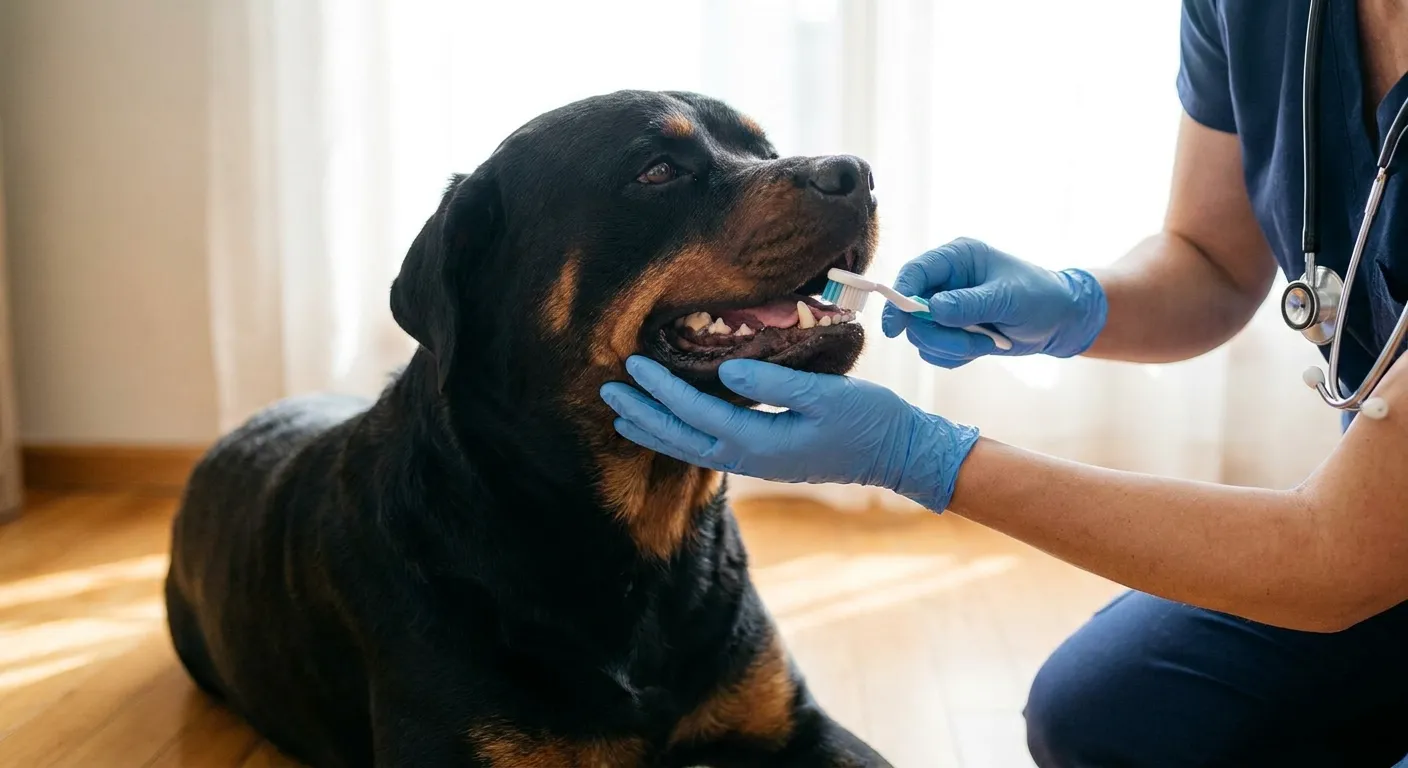
Brushing your Rottweiler’s teeth daily is perhaps the single most effective home care method. Just like humans, mechanical removal of plaque is essential. Use a pet-specific toothbrush and toothpaste; human toothpaste is not safe for dogs due to ingredients like fluoride and xylitol. Start slowly and make it a positive experience, especially when your Rottweiler is a puppy. Introduce the brush and paste gradually, rewarding them with praise and treats. Focus on the outside surfaces of the teeth, where plaque tends to accumulate most. Even brushing a few times a week is better than nothing, but daily brushing provides optimal benefits for their oral hygiene.
Dental Chews and Treats
While not a substitute for brushing, dental chews and treats can play a supportive role in maintaining good oral health. Look for products that are approved by the Veterinary Oral Health Council (VOHC). The VOHC seal indicates that a product meets certain standards for plaque and tartar reduction. These products are designed with specific textures and ingredients to help scrape away plaque as your dog chews. However, always supervise your Rottweiler with dental chews to prevent choking and ensure they chew them appropriately. Some chews are better than others, so research is key.
Dental Diets and Water Additives
Specialized dental diets are formulated with unique kibble shapes and textures that help scrub the tooth surface as your dog eats. Some diets also contain ingredients that chemically reduce plaque and tartar formation. Consult your veterinarian to see if a dental diet is appropriate for your Rottweiler. Furthermore, water additives are available that contain ingredients to help reduce bacteria in the mouth and freshen breath. These can be a convenient addition to your routine, though they are generally less effective than brushing or professional cleanings alone. Ultimately, a multi-pronged approach is best for Rottweiler dental health.
Connecting Oral Health to Overall Well-being
The health of your Rottweiler’s mouth is intricately linked to their overall systemic health. This connection is often underestimated by pet owners. The mouth serves as a gateway to the rest of the body. Consequently, infections originating in the oral cavity can have far-reaching effects. When periodontal disease progresses, bacteria from the diseased gums can enter the bloodstream through inflamed tissues. Once in the bloodstream, these bacteria can travel to various organs, including the heart, kidneys, and liver. This can lead to serious secondary infections or exacerbate existing conditions. For example, bacterial endocarditis, an infection of the heart valves, has been linked to severe periodontal disease in dogs. Similarly, kidney and liver function can be compromised by chronic bacterial exposure. Moreover, chronic inflammation from dental disease can put a strain on the immune system. Therefore, maintaining excellent Rottweiler dental health is not just about fresh breath; it’s about safeguarding their entire body from potential harm. A healthy mouth contributes significantly to a longer, happier life for your companion.
Common Misconceptions About Dog Dental Care
Several myths persist regarding canine dental care, which can hinder owners from providing adequate attention to their dog’s oral hygiene. Dispelling these misconceptions is vital for promoting better health outcomes for Rottweilers.
One common belief is that dry kibble cleans teeth effectively. While some dry foods offer minimal abrasive action, they are generally insufficient to prevent plaque and tartar buildup. Think of it this way: eating crackers doesn’t replace brushing your own teeth. Another misconception is that dogs don’t need their teeth brushed because their ancestors in the wild didn’t. Wild canids often experienced dental issues and tooth loss, which would significantly impact their survival. Furthermore, the diet of domestic dogs is vastly different from their wild counterparts, making them more susceptible to dental disease. Another myth suggests that bad breath is normal for dogs. While some doggy odor is expected, truly foul breath is a red flag indicating an underlying issue. Finally, some owners believe that dental problems are only a concern for older dogs. In reality, periodontal disease can begin in dogs as young as two or three years old. Early intervention and consistent care are crucial for maintaining good Rottweiler dental health throughout their lives.
Addressing Specific Dental Concerns
Beyond general periodontal disease, Rottweilers can experience other dental issues that require attention. Being aware of these can help you act quickly if you notice a problem.
Fractured Teeth
Rottweilers are powerful chewers. Consequently, they can sometimes fracture their teeth, especially if they chew on hard items like bones, antlers, or rocks. A fractured tooth can expose the pulp chamber, leading to pain and infection. Signs of a fractured tooth include reluctance to chew, pawing at the mouth, or visible damage to the tooth. If you suspect a fractured tooth, a veterinary examination is essential. Treatment often involves root canal therapy or extraction, depending on the severity and location of the fracture.
Retained Deciduous (Puppy) Teeth
Sometimes, a puppy’s baby teeth don’t fall out when the adult teeth erupt. These retained deciduous teeth can cause overcrowding, misdirection of the permanent teeth, and increased plaque accumulation. This situation is particularly common in some breeds. Your veterinarian will typically check for retained puppy teeth during routine puppy visits and recommend extraction if necessary to prevent future problems for your Rottweiler’s dental health.
Oral Tumors
While less common than periodontal disease, Rottweilers can develop oral tumors, both benign and malignant. Regular oral examinations by your veterinarian are important for early detection. Any new lumps, bumps, or discolorations in the mouth should be investigated promptly. Early diagnosis and treatment significantly improve the prognosis for most oral cancers. Therefore, diligent observation of your dog’s mouth is crucial.
The Role of Nutrition in Dental Health
Diet plays a significant, though often underestimated, role in maintaining your Rottweiler’s dental health. While specialized dental diets exist, even a regular, high-quality diet contributes to overall vitality, which indirectly supports oral health. A balanced diet provides the necessary nutrients for strong teeth and healthy gums. Furthermore, avoiding sugary treats or human foods high in carbohydrates can reduce the food source for bacteria that contribute to plaque formation. Some research suggests certain nutrients, like omega-3 fatty acids, can help reduce inflammation, which might be beneficial for gum health. Always discuss your Rottweiler’s dietary needs with your veterinarian to ensure they are receiving optimal nutrition for their overall well-being, including their oral hygiene. A healthy body supports a healthy mouth.
Conclusion
Prioritizing your Rottweiler dental health is a fundamental aspect of responsible pet ownership. It extends far beyond merely addressing bad breath; it’s about preventing pain, discomfort, and potentially life-threatening systemic diseases. By implementing a consistent routine that includes daily brushing, regular professional cleanings, and appropriate dental aids, you can significantly improve your Rottweiler’s quality of life. Remember, a healthy mouth contributes to a healthy, happy, and long-lived companion. Be vigilant for signs of dental problems and consult your veterinarian promptly with any concerns. Your Rottweiler deserves the best care, and that certainly includes a sparkling, healthy smile. Invest in their oral hygiene today for a brighter tomorrow.
FAQ
What are the first signs of gum disease in my Rottweiler?
The initial signs of gum disease in your Rottweiler often include bad breath, red or swollen gums, and perhaps a visible buildup of yellowish-brown tartar on the teeth. You might also notice a reluctance to chew on hard toys or a change in eating habits. Early detection is key to managing the condition effectively.
How often should I brush my dog’s teeth?
Ideally, you should aim to brush your Rottweiler’s teeth daily. This provides the most effective mechanical removal of plaque. If daily brushing isn’t feasible, brushing at least three to four times a week can still offer significant benefits for their oral hygiene.
Are dental chews really effective for canine oral care?
Dental chews can be a helpful supplement to your dog’s oral care routine, but they are not a substitute for brushing or professional cleanings. Look for chews approved by the Veterinary Oral Health Council (VOHC) to ensure they meet standards for plaque and tartar reduction. Always supervise your dog when they are consuming dental chews.
Can poor oral hygiene affect my dog’s overall health?
Absolutely. Poor oral hygiene can lead to periodontal disease, where bacteria from the mouth can enter the bloodstream. This can potentially affect vital organs such as the heart, kidneys, and liver, leading to more serious health issues. Therefore, maintaining good mouth care is crucial for your pet’s overall well-being.
What happens during a professional dental cleaning for a Rottweiler?
During a professional cleaning, your Rottweiler will undergo general anesthesia. The veterinarian will then thoroughly examine their mouth, scale off all plaque and tartar from above and below the gum line, and polish their teeth. Dental X-rays are often taken to assess the health of the tooth roots and jawbone. This comprehensive approach ensures a complete and effective cleaning.
Explore more: More from Rottweiler Dog Guide