Few things impact a Rottweiler’s health and longevity as profoundly as their weight. A lean, athletic physique is not just aesthetically pleasing; it’s critical for preventing and managing a host of breed-specific health issues. Unfortunately, canine obesity is a growing epidemic, and Rottweilers are not immune. Effective weight management for Rottweilers is a cornerstone of responsible pet ownership, extending their active years and enhancing their overall quality of life.
At RottweilerDogGuide.com, we emphasize proactive care. We also provide comprehensive nutritional and wellness guidance. Investing in your Rottweiler’s health means being diligent about their weight, ensuring they maintain a healthy body condition.
The Dangers of Canine Obesity in Rottweilers
Excess weight in Rottweilers puts immense strain on their joints. This exacerbates conditions like hip and elbow dysplasia. It also accelerates arthritis, leading to pain and reduced mobility. Beyond orthopedic issues, obesity significantly increases the risk of serious health problems.
- Heart Disease: There is an increased workload on the cardiovascular system.
- Diabetes Mellitus: Overweight dogs are more prone to insulin resistance.
- Respiratory Problems: Difficulty breathing can occur due to excess fat around the chest and airways.
- Certain Cancers: A known link exists between obesity and increased cancer risk.
- Reduced Life Expectancy: Studies show overweight dogs live shorter lives than their lean counterparts. Indeed, maintaining a healthy weight is vital for longevity.
Assessing Your Rottweiler’s Body Condition
Forget the number on the scale for a moment; what truly matters is your Rottweiler’s body condition. Your vet will use a Body Condition Score (BCS) chart, typically on a scale of 1-9 (with 4-5 being ideal). You can do a simple check at home.
- Ribs: You should be able to easily feel your Rottweiler’s ribs without pressing hard. However, you should not see them prominently.
- Waistline: When viewed from above, your Rottweiler should have a discernible waist behind the ribs.
- Abdominal Tuck: When viewed from the side, their abdomen should tuck up slightly behind the rib cage.
If you can’t easily feel their ribs, or if they lack a waistline and abdominal tuck, it’s likely they’re carrying too much weight. Consequently, a discussion with your veterinarian is recommended.
Effective Weight Management for Rottweilers: Key Strategies
Achieving and maintaining a healthy weight requires a balanced approach of diet and exercise. This section outlines crucial strategies for successful weight management for Rottweilers.
1. Calorie-Controlled Diet for Optimal Health
Precise portion control is paramount. Measure your Rottweiler’s food precisely. Do not eyeball it. Use a kitchen scale for accuracy. This ensures they receive the correct caloric intake. Furthermore, consistency is key.
Always feed a high-quality, large-breed specific dog food. For overweight dogs, your vet might recommend a specific weight-loss formula. These formulas are typically lower in calories but still nutritionally complete. Consult your veterinarian before making significant dietary changes.
Limit treats significantly. Treats contribute substantially to calorie intake. Opt for low-calorie options like plain green beans, baby carrots, or apple slices (without seeds). Remember, even healthy treats add calories. Therefore, factor them into your dog’s daily allowance. A good rule of thumb is that treats should make up no more than 10% of their daily calories.
2. Tailored Exercise Routines for Rottweilers
Rottweilers are naturally powerful and athletic dogs. They require regular, consistent exercise to maintain muscle mass and burn calories. Daily walks are a good start. However, they are often not enough for a Rottweiler prone to weight gain. Aim for at least 60-90 minutes of moderate to vigorous activity daily, split into multiple sessions.
Consider activities like brisk walking, jogging, hiking, or swimming. Swimming is especially beneficial as it’s low-impact on joints. Playing fetch or engaging in structured training sessions can also be excellent ways to burn calories and provide mental stimulation. Always ensure the exercise is appropriate for your dog’s age, current fitness level, and any underlying health conditions. Over-exertion can be harmful. Gradually increase intensity and duration.
3. The Role of Regular Veterinary Check-ups
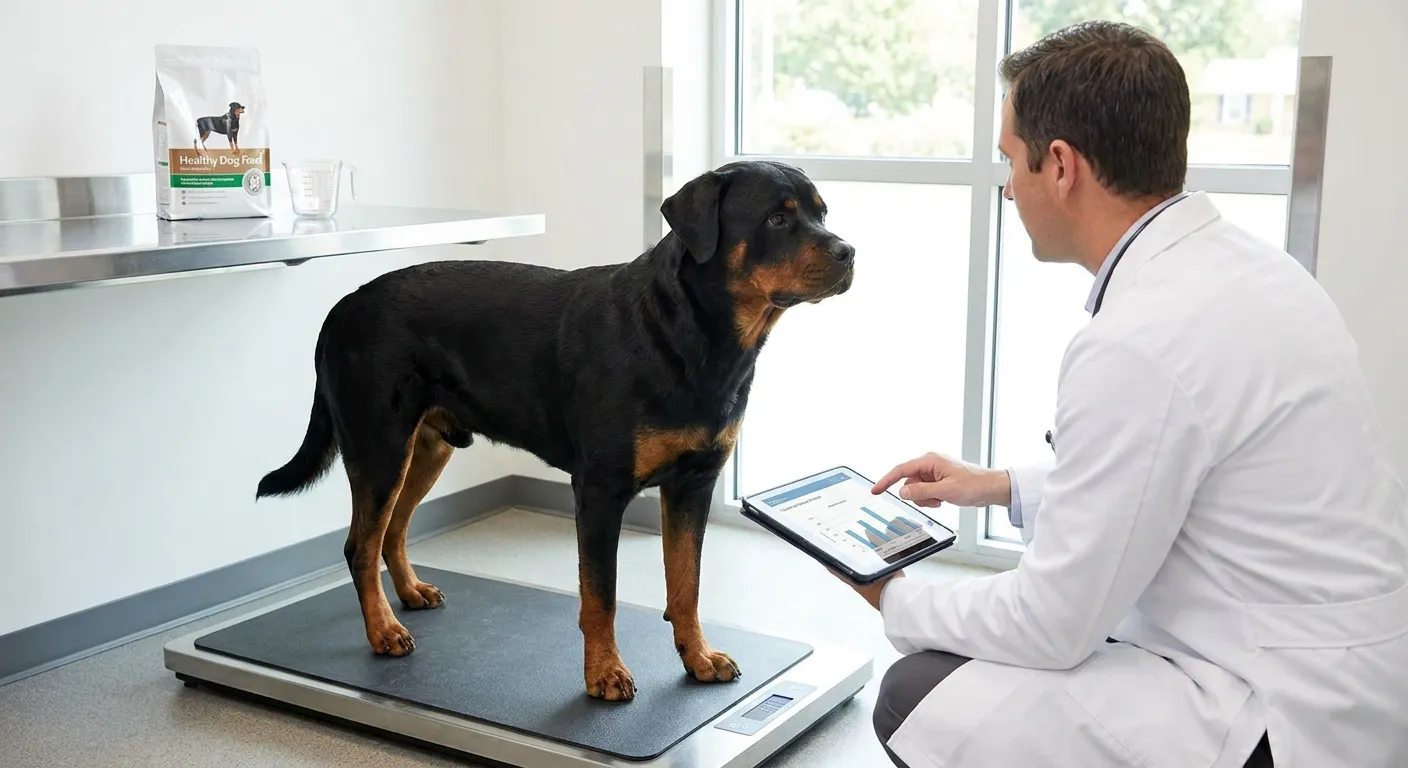
Regular veterinary visits are fundamental to effective weight management for Rottweilers. Your vet can accurately assess your dog’s body condition, recommend appropriate diet plans, and rule out any underlying medical conditions contributing to weight gain. Conditions like hypothyroidism or Cushing’s disease can impact metabolism. Early diagnosis and treatment are crucial.
Your veterinarian can help you calculate the ideal daily caloric intake for your Rottweiler based on their age, activity level, and target weight. They can also offer guidance on transitioning to new foods and monitoring progress. These check-ups provide an opportunity to discuss any concerns you may have about your dog’s health or behavior.
4. Understanding the Impact of Spaying and Neutering
Spaying or neutering can affect a dog’s metabolism. It often leads to a decrease in energy requirements. This means spayed or neutered Rottweilers may need fewer calories to maintain a healthy weight compared to intact dogs. Awareness of this change is crucial. Adjusting their food intake accordingly is often necessary.
If your Rottweiler has been spayed or neutered, discuss this with your vet. They can help you adjust their diet to prevent unwanted weight gain. This proactive approach supports long-term health. It is an important aspect of managing a Rottweiler’s weight.
5. Monitoring Progress and Making Adjustments
Successful weight management is an ongoing process. Weigh your Rottweiler regularly, ideally weekly or bi-weekly, at home or at your vet’s office. Keep a log of their weight and body condition score. This helps you track progress and identify trends. If your dog isn’t losing weight, or if they are losing it too quickly, adjustments to their diet or exercise plan may be necessary.
Be patient and consistent. Weight loss takes time. Celebrate small victories. However, do not get discouraged by slow progress. Remember, the goal is sustainable, healthy weight loss, not a rapid drop. Your vet is your best partner in this journey. They can provide professional advice and support.
Preventing Obesity: A Lifelong Commitment to Your Rottweiler’s Health
Preventing obesity is always easier than treating it. Establish healthy habits early in your Rottweiler’s life. This includes a balanced diet, consistent exercise, and regular vet check-ups. Educate yourself on proper portion sizes and the caloric content of treats. By being proactive, you can significantly reduce the risk of your Rottweiler becoming overweight.
A healthy weight directly contributes to a better quality of life for your Rottweiler. They will have more energy, suffer less joint pain, and be more resilient against various diseases. This commitment ensures your loyal companion enjoys a long, active, and happy life by your side. Therefore, prioritize their well-being.
Advanced Considerations in Rottweiler Weight Control
Beyond the basics, several advanced considerations can further refine your strategy for Rottweiler weight control. Understanding these nuances can provide an extra edge in maintaining your dog’s ideal physique.
Behavioral Aspects of Eating
Some Rottweilers are
Explore more: More from Rottweiler Dog Guide