As devoted Rottweiler owners, ensuring the long-term health and well-being of our companions is a top priority. In an era where pet health and wellness is recognized as a ‘hero category’ within the booming pet industry, proactive measures are more critical than ever. One of the most significant breed-specific health concerns for Rottweilers is canine hip dysplasia, a condition that can severely impact mobility and quality of life. Understanding how to proactively safeguard your Rottweiler against hip dysplasia involves a multi-faceted approach, combining responsible breeding, optimal nutrition, controlled exercise, and vigilant monitoring.
Understanding Canine Hip Dysplasia in Rottweilers
Canine Hip Dysplasia (CHD) is a genetic, developmental condition where the hip joint, a ball-and-socket joint, doesn’t form correctly. This leads to laxity (looseness) in the joint, causing the femoral head (ball) to grind and rub instead of sliding smoothly within the acetabulum (socket). Over time, this abnormal wear and tear results in degenerative joint disease, osteoarthritis, pain, and lameness. While genetics play a substantial role, environmental factors significantly influence the expression and severity of the condition.
Given the rise in pet insurance coverage and increased spending on veterinary services, owners are actively seeking ways to prevent and manage such conditions, highlighting the demand for detailed, breed-specific health information. Moreover, recognizing the early signs and understanding the progression of this condition is vital for timely intervention.
The Genetics of Hip Problems in Rottweilers
Genetic predisposition is a primary factor in the development of hip dysplasia in Rottweilers. Certain genetic markers increase a dog’s likelihood of developing the condition. Consequently, responsible breeders meticulously screen their breeding stock to reduce the incidence of this inherited disorder. However, even with careful breeding, environmental influences can still play a role in whether a genetically predisposed dog develops clinical signs of the disease.
Environmental Factors Influencing Hip Dysplasia
Beyond genetics, several environmental factors can exacerbate or mitigate the severity of hip dysplasia. These include diet, exercise, and overall lifestyle during a Rottweiler’s critical growth phases. For example, excessive weight gain or high-impact activities in puppies can put undue stress on developing joints. Therefore, managing these factors is crucial for minimizing the risk of hip joint issues.
Strategies for Safeguarding Your Rottweiler Against Hip Dysplasia
Protecting your Rottweiler from hip dysplasia requires a proactive and consistent approach throughout their life. From puppyhood to their senior years, every decision contributes to their joint health. Furthermore, a collaborative effort with your veterinarian is essential for comprehensive care.
1. Responsible Breeding and Genetic Screening
The most foundational step in preventing CHD is choosing a puppy from a reputable breeder who prioritizes health. Responsible breeders will:
- Screen Parent Dogs: Both parents should have certifications from organizations like the Orthopedic Foundation for Animals (OFA) or PennHIP, indicating healthy hip conformation. These certifications provide objective assessments of hip joint quality. This helps ensure you are getting a puppy from a line less prone to hip problems.
- Provide Health Guarantees: A responsible breeder will offer health guarantees against genetic conditions like hip dysplasia, demonstrating their commitment to the breed’s health. This provides peace of mind and reflects their confidence in their breeding practices.
- Transparency: They should be open about the health history of their breeding lines and willing to answer all your questions about genetic screening. This transparency is a hallmark of an ethical breeder.
2. Optimal Nutrition for Joint Health
Nutrition plays a crucial role, especially during a Rottweiler’s rapid growth phase. Large breeds like Rottweilers have unique nutritional requirements. Overfeeding puppies and promoting too-rapid growth can exacerbate hip dysplasia in genetically predisposed individuals. Focus on:
- Large Breed Puppy Formulas: These diets are specifically formulated with controlled calcium and phosphorus levels and appropriate calorie densities to support slow, steady growth. This prevents undue stress on developing bones and joints. You can find excellent options in our Food, Treats & Feeding Gear section.
- Weight Management: Maintaining a lean body condition throughout your Rottweiler’s life is paramount. Excess weight significantly increases the load on their hip joints, accelerating wear and tear. Therefore, monitor their weight closely and adjust food intake as needed.
- Joint-Supportive Supplements: While not a cure, supplements like glucosamine, chondroitin, MSM, and Omega-3 fatty acids (fish oil) can support joint health and reduce inflammation. Always consult your veterinarian before introducing any supplements to your dog’s diet. These can be particularly beneficial for long-term joint maintenance.
3. Controlled Exercise and Activity
Appropriate exercise is vital for muscle development, which in turn supports joint stability. However, the type and intensity of exercise must be carefully managed, especially during puppyhood. To protect your Rottweiler against hip dysplasia, consider these points:
- Avoid High-Impact Activities in Puppies: Refrain from excessive jumping, long runs on hard surfaces, or strenuous agility work until your Rottweiler is fully grown (around 18-24 months). Their growth plates are still open and vulnerable to injury.
- Low-Impact Exercise: Opt for controlled walks, swimming, and gentle play. These activities build muscle without stressing developing joints. Swimming, in particular, is an excellent non-weight-bearing exercise.
- Consistent, Moderate Exercise: As adults, Rottweilers need regular, moderate exercise to maintain muscle tone and a healthy weight. Consistency is key, rather than sporadic bursts of intense activity.
- Warm-up and Cool-down: Just like human athletes, dogs benefit from a brief warm-up before exercise and a cool-down period afterward. This helps prepare their joints and muscles.
4. Environmental Modifications and Support
Your Rottweiler’s living environment can also impact their joint health. Small adjustments can make a big difference in preventing strain and providing comfort:
- Supportive Bedding: Provide orthopedic beds that offer excellent support and cushioning, especially for older dogs or those prone to joint issues. This helps relieve pressure on their hips. Check out our Crates, Bedding & Home Setup for suitable options.
- Non-Slip Flooring: Slippery floors can cause dogs to splay their legs, putting undue stress on their hips. Use rugs or runners on slick surfaces to provide better traction.
- Ramps or Steps: For getting into cars or onto furniture, consider using ramps or steps to avoid repetitive jumping, which can be hard on their joints. This is especially important as they age.
5. Regular Veterinary Check-ups and Early Detection
Consistent veterinary care is fundamental for monitoring your Rottweiler’s overall health and detecting potential hip problems early. Early intervention can significantly improve outcomes. Therefore, schedule regular appointments.
- Routine Examinations: Your veterinarian will assess your dog’s gait, palpate their joints, and discuss any changes in mobility or behavior. These routine checks are crucial for identifying subtle signs.
- Early Screening: For at-risk breeds, your vet might recommend early hip screening, such as preliminary X-rays, to get an initial assessment of joint conformation. This can provide valuable information for managing your Rottweiler against hip dysplasia.
- Monitoring for Signs: Be vigilant for signs of discomfort or lameness, such as difficulty rising, reluctance to jump, a bunny-hopping gait, or limping. Report any such observations to your vet immediately.
Living with a Rottweiler Prone to Hip Dysplasia
Even with the most diligent preventative measures, some Rottweilers may still develop hip dysplasia due to their genetic predisposition. If your dog receives a diagnosis, it’s important to understand that effective management strategies can significantly improve their quality of life. Furthermore, a diagnosis is not the end of the world.
Management Strategies for Hip Dysplasia
When dealing with hip dysplasia, a multi-modal approach is often most effective:
- Pain Management: Your veterinarian may prescribe NSAIDs (non-steroidal anti-inflammatory drugs) or other pain relievers to manage discomfort and reduce inflammation. Finding the right medication and dosage is key.
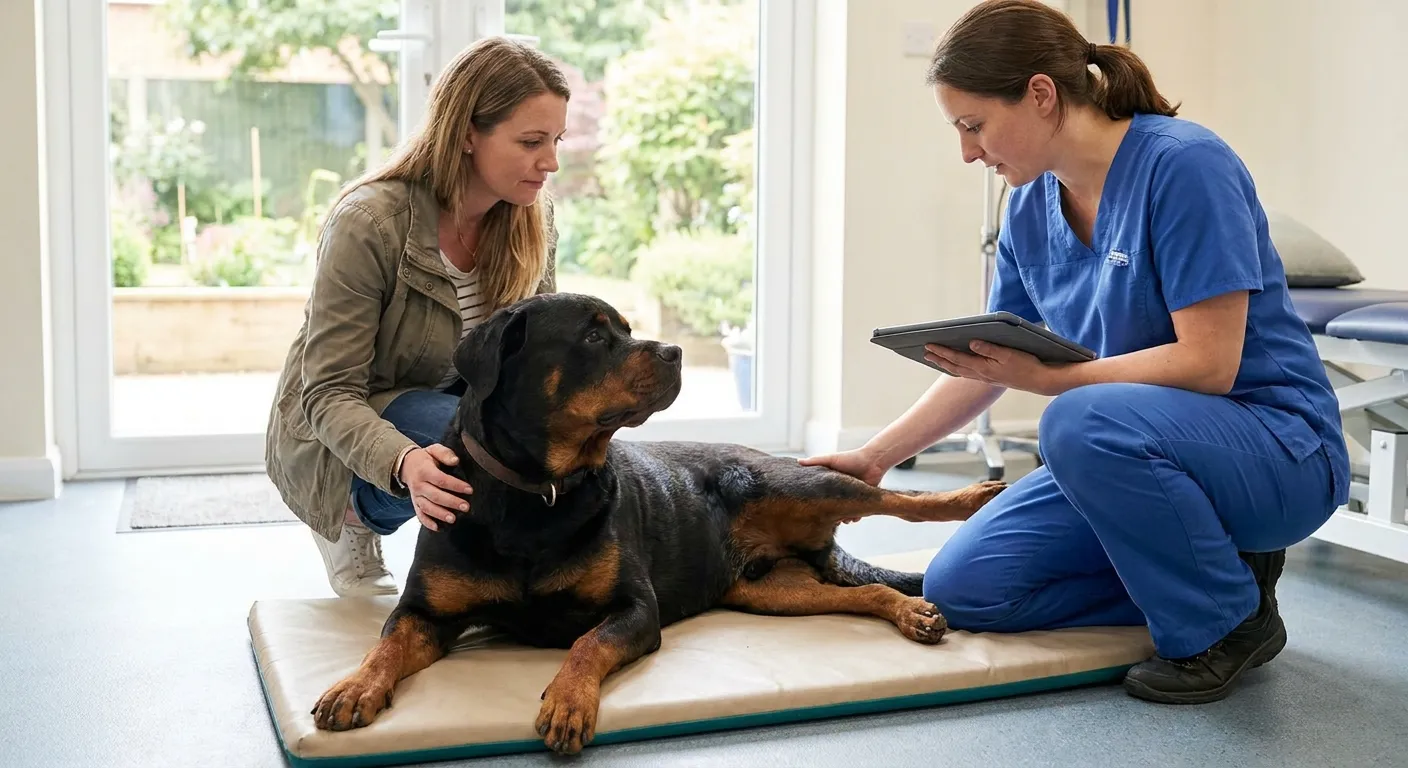
- Physical Therapy: Hydrotherapy, therapeutic exercises, and massage can help strengthen muscles, improve range of motion, and reduce pain. These therapies are often tailored to your dog’s specific needs.
- Weight Control: Maintaining an ideal weight becomes even more critical for dogs with hip dysplasia, as it reduces stress on their already compromised joints.
- Surgical Options: In severe cases, surgical interventions like Femoral Head Ostectomy (FHO) or Total Hip Replacement (THR) may be considered. Your vet will discuss if these options are suitable.
- Ongoing Supplements: Continuing joint supplements can support cartilage health and reduce inflammation.
The Importance of a Holistic Approach
Successfully protecting your Rottweiler against hip dysplasia truly requires a holistic view. It’s not just about one factor, but rather the synergistic effect of all preventative and management strategies. From the moment you bring your Rottweiler puppy home, you become an advocate for their joint health. This comprehensive approach encompasses everything from carefully selected nutrition to tailored exercise routines and a supportive living environment. Moreover, it involves a close partnership with your veterinarian, who can provide expert guidance and monitor your dog’s progress over time. By consistently applying these principles, you can significantly enhance your Rottweiler’s chances of leading a long, active, and comfortable life, minimizing the impact of this challenging condition. This commitment to their well-being reflects the true essence of responsible Rottweiler ownership. The peace of mind that comes from knowing you’ve done everything possible to safeguard their health is invaluable.
Conclusion
Safeguarding your Rottweiler against hip dysplasia is a multifaceted commitment that begins even before you welcome your puppy home. By choosing a responsible breeder, providing optimal nutrition, implementing controlled exercise, and ensuring regular veterinary care, you significantly reduce the risks associated with this common condition. While genetics play a role, your proactive efforts can profoundly influence your Rottweiler’s joint health and overall quality of life. Remember, a healthy, happy Rottweiler is the result of informed and devoted ownership. Stay informed, stay vigilant, and work closely with your veterinarian to give your cherished companion the best possible chance at a long, active, and pain-free life. Your dedication to their well-being is the ultimate form of love and care.
Frequently Asked Questions About Rottweiler Hip Health
What is canine hip dysplasia?
Canine hip dysplasia is a developmental orthopedic condition where the hip joint doesn’t form correctly. This leads to looseness in the joint, causing the ball and socket to grind instead of smoothly gliding. Over time, this abnormal wear results in degenerative joint disease, pain, and lameness.
How can I prevent hip problems in my Rottweiler puppy?
Prevention starts with choosing a puppy from health-screened parents. Provide a large breed puppy food for slow growth, ensure controlled, low-impact exercise, avoid excessive jumping, and maintain a healthy weight. Regular vet check-ups are also crucial.
Are there any supplements that help with Rottweiler hip health?
Yes, supplements like glucosamine, chondroitin, MSM, and Omega-3 fatty acids (fish oil) can support joint health and reduce inflammation. However, always consult your veterinarian before starting any new supplements to ensure they are appropriate for your dog.
What are the signs of hip dysplasia in a Rottweiler?
Common signs include difficulty rising, reluctance to jump or climb stairs, a