
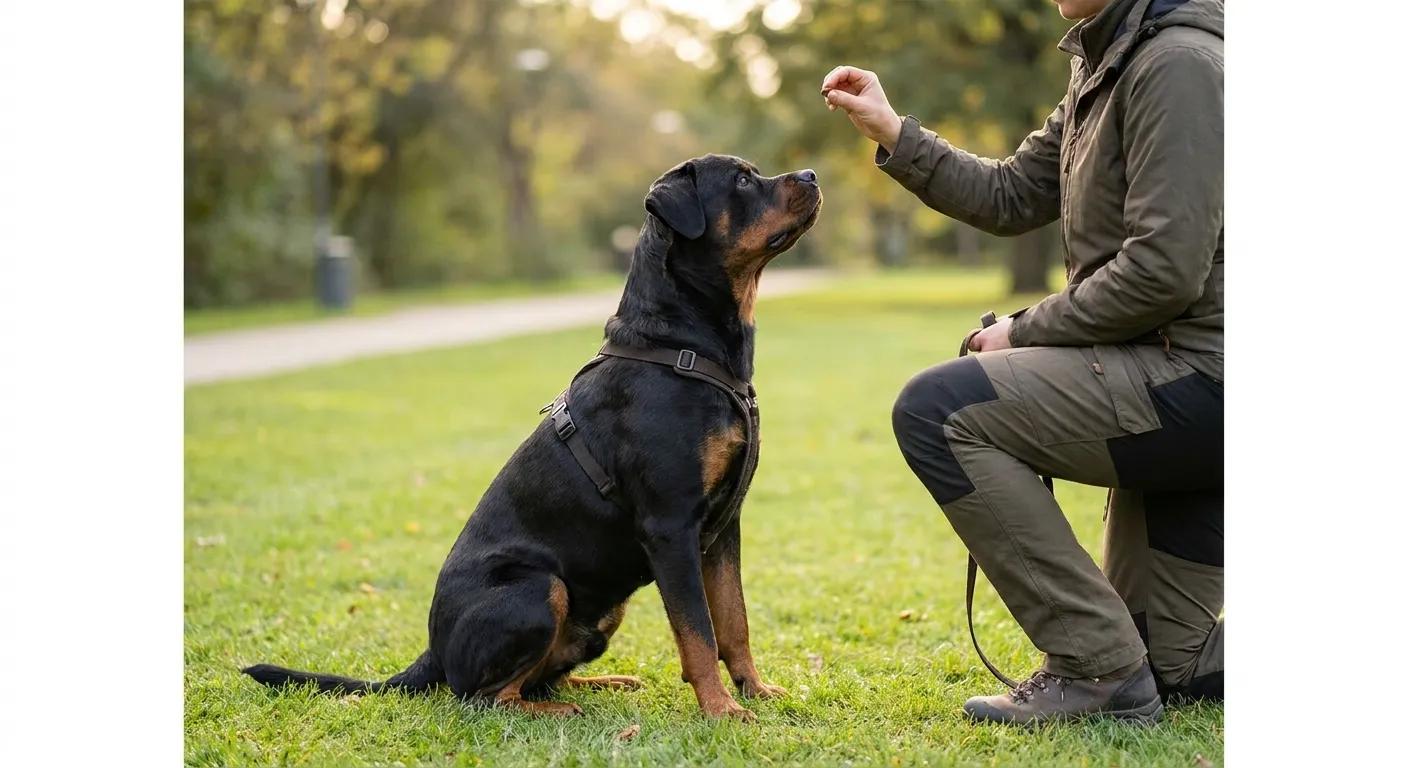
For Rottweiler owners, establishing solid basic obedience for Rottweilers is not merely a recommendation—it’s a fundamental aspect of responsible ownership. Given their strength, intelligence, and protective instincts, a well-trained Rottweiler is a safe, happy, and integrated member of society. Without a clear understanding of commands and boundaries, their natural power can become a liability. This article will guide you through the essential commands and principles of training, ensuring you build a strong, respectful bond with your Rottweiler through positive reinforcement and consistent effort.
Understanding the Rottweiler Learning Style
Rottweilers are highly intelligent and eager to please their owners, making them excellent candidates for obedience training. However, they also possess a strong will and can become bored with repetitive, unengaging methods. Their ancestral roles as herding and guard dogs mean they thrive on purpose and structure. Successful Rottweiler foundational training capitalizes on their intelligence, uses motivation effectively, and provides clear, consistent expectations. They respond best to fair, firm, and positive leadership, not harsh corrections.
Core Basic Obedience for Rottweilers Commands
Mastering these foundational commands will provide you with control and clear communication with your Rottweiler, significantly enhancing their safety and your peace of mind. Each command should be taught using positive reinforcement, rewarding desired behaviors instantly with treats, praise, or toys. This approach strengthens your bond. Moreover, consistent practice in various environments is vital for reliability.
Sit & Stay
The ‘Sit’ command is often the first a puppy learns, promoting calm and focus. ‘Stay’ builds upon this, teaching patience and impulse control. Practice in low-distraction environments first, gradually increasing duration and distance. These commands are invaluable for managing greetings, preventing dashing out doors, and maintaining control in public spaces. For example, a reliable ‘Stay’ can keep your dog safe while you open the car door.
Come (Recall)
An immediate and reliable ‘Come’ command is perhaps the most critical for a Rottweiler’s safety. It can prevent dangerous situations, such as running into traffic or approaching unknown dogs. Start practicing in a secure, enclosed area, making it a highly rewarding and positive experience every time your dog returns to you. Use a distinct, happy tone and follow with generous rewards. Furthermore, consistent recall practice can literally save your dog’s life.
Loose-Leash Walking
A Rottweiler pulling on a leash can be a significant challenge due to their size and strength. Teaching loose-leash walking ensures enjoyable walks for both of you. Use a comfortable harness and reward your dog for walking calmly beside you without tension on the leash. Stop walking if they pull, resuming only when the leash slackens. Consistency is key here. For further guidance, explore our detailed guide on Mastering Loose Leash Walking: A Step-by-Step Guide for Your Rottweiler.
Leave It
The ‘Leave It’ command teaches your Rottweiler to ignore tempting items, whether it’s discarded food on the street or an item they shouldn’t chew at home. This is vital for their safety and for protecting your belongings. Begin by placing a low-value treat on the floor, covering it with your hand. Say “Leave It,” and reward your dog when they look away or disengage. Gradually increase the value of the item and remove your hand. This command is also crucial for preventing them from eating harmful substances during walks.
Down
The ‘Down’ command is a submissive position that can be very useful for calming an excited Rottweiler or for managing situations where you need them to be settled for an extended period. It requires more commitment from the dog than ‘Sit’. Lure your dog into a down position with a treat, moving it from their nose to the floor between their paws. Reward immediately when their elbows touch the ground. This command, like ‘Sit’, promotes focus and control.
Implementing Positive Reinforcement and Consistency
Positive reinforcement is the cornerstone of effective Rottweiler training. It involves rewarding desired behaviors, which makes your dog more likely to repeat them. This method builds trust and strengthens your bond, creating a motivated learner. Conversely, harsh punishments can damage trust and lead to fear or aggression in a powerful breed like the Rottweiler.
The Power of Rewards
Rewards can vary, including high-value treats, enthusiastic praise, favorite toys, or even a quick game. Discover what motivates your individual Rottweiler. Keep training sessions short, fun, and frequent. For example, two to three five-minute sessions daily are often more effective than one long, tedious session. This keeps their attention and prevents boredom.
Establishing a Consistent Routine
Rottweilers thrive on routine and clear expectations. Everyone in the household must use the same commands, hand signals, and rules. Inconsistency confuses your dog and slows down the learning process. For instance, if one person allows jumping on the couch and another doesn’t, your dog will not understand the boundary. Therefore, agreement among family members is essential for successful Rottweiler training.
Socialization: A Partner to Obedience Training
While often considered separate, proper socialization is deeply intertwined with successful foundational training for Rottweilers. A well-socialized Rottweiler is more confident, less reactive, and therefore more receptive to obedience commands in various environments. Early exposure to different people, places, sounds, and other dogs helps them develop into well-adjusted adults.
Puppy socialization should begin early, ideally between 8 and 16 weeks of age. This critical period shapes their perception of the world. Enroll your Rottweiler puppy in puppy classes, arrange supervised playdates, and take them to dog-friendly places. For comprehensive guidance on this vital topic, refer to our article on Rottweiler Puppy Socialization: Setting Your Dog Up for Success. A confident dog is much easier to train.
Addressing Common Training Challenges
Even with the best intentions, you might encounter bumps in the road during your Rottweiler’s training journey. It’s important to approach these challenges with patience and understanding.
Distraction Management
Rottweilers are intelligent, but they can be easily distracted by interesting sights, sounds, or smells. When teaching basic obedience for Rottweilers, start in a quiet, familiar environment. Gradually introduce distractions as your dog masters the commands. For instance, practice ‘Sit’ in your living room, then your backyard, then a quiet park. This systematic approach builds reliability.
Stubbornness and Boredom
If your Rottweiler seems stubborn or disengaged, it might be a sign of boredom or confusion. Keep training sessions engaging, varied, and short. Use high-value rewards and enthusiastic praise. If a command isn’t working, break it down into smaller steps. Sometimes, a change in environment or a different type of reward can re-ignite their interest. Remember, Rottweilers need a purpose.
When to Seek Professional Help
While this guide covers the fundamentals of basic obedience for Rottweilers, some challenges may require expert intervention. If you are struggling with persistent behavioral issues, aggression, or simply feel overwhelmed, do not hesitate to consult a certified professional dog trainer or behaviorist. They can provide personalized guidance and support. Organizations like the Association of Professional Dog Trainers can help you find qualified professionals in your area.
Beyond Basic Commands: The Lifelong Journey
Achieving a solid foundation in basic obedience for Rottweilers is just the beginning. Training is an ongoing process that strengthens your bond and provides mental stimulation for your dog throughout their life. Consider enrolling in advanced obedience classes, trying dog sports like agility or protection work, or even therapy dog training. These activities provide continued mental and physical engagement.
Continued training also reinforces good manners and helps manage the natural changes that occur as your Rottweiler matures. For example, maintaining training through adolescence can prevent the development of unwanted habits. Furthermore, older Rottweilers also benefit from mental exercises; it helps keep their minds sharp. Learn more about their mental and physical well-being by exploring topics like Understanding Rottweiler Temperament: Nurturing Their Best Qualities.
The Benefits of a Well-Trained Rottweiler
The effort invested in teaching basic obedience for Rottweilers yields immense rewards. A well-trained Rottweiler is:
- Safer: Reliable commands prevent dangerous situations and ensure your dog’s safety in various environments.
- Happier: Dogs thrive on structure and understanding expectations. Training provides mental stimulation and reduces anxiety.
- More Confident: Knowing what to do in different situations builds a dog’s confidence and reduces stress.
- A Better Companion: An obedient dog integrates seamlessly into family life and can accompany you on more adventures.
- A Credit to the Breed: A well-behaved Rottweiler helps dispel negative stereotypes, showcasing the breed’s true potential as loyal and intelligent companions.
Ultimately, training is a commitment to your dog’s well-being and your relationship. It’s an investment that pays dividends for years to come.
Essential Training Equipment for Rottweilers
Having the right tools can make a significant difference in your training journey, especially when working on basic obedience for Rottweilers. Here are some essentials:
- Sturdy Leash: A strong, comfortable leash (ideally 4-6 feet long) is crucial for control during walks and training sessions.
- Comfortable Harness or Flat Collar: While a flat collar is standard, a front-clip harness can be excellent for managing pulling during loose-leash walking. Avoid retractable leashes as they offer less control and can be dangerous.
- High-Value Treats: Small, soft, and enticing treats are powerful motivators. Experiment to find what your Rottweiler loves most.
- Clicker: A clicker can be a precise tool for marking desired behaviors instantly, enhancing communication during training. Learn how to ‘charge’ the clicker by pairing it with treats.
- Long Line: A long line (15-30 feet) is invaluable for practicing recall in a safe, open area while maintaining a connection to your dog.
Always ensure any equipment fits properly and is comfortable for your dog. For instance, a harness that chafes can make training unpleasant. Proper equipment supports effective training methods.
Conclusion: Building a Lifelong Bond Through Training
Establishing basic obedience for Rottweilers is an indispensable part of responsible ownership. It’s a journey that requires patience, consistency, and positive reinforcement, but the rewards are immeasurable. By understanding their learning style, consistently practicing core commands, and prioritizing socialization, you lay the groundwork for a well-behaved, confident, and happy companion. This foundational training not only ensures their safety but also deepens the unique bond you share. Remember, every command learned, every boundary set, and every positive interaction contributes to a lifetime of harmonious companionship. Embrace the process, celebrate the small victories, and enjoy the incredible journey of training your magnificent Rottweiler.
FAQ: Common Questions About Training Rottweilers
How early should I start training my Rottweiler puppy?
You should start training your Rottweiler puppy as soon as you bring them home, typically around 8 weeks of age. Focus on basic manners, socialization, and simple commands like ‘Sit’ and ‘Come’. Early training and exposure are crucial for their development.
Are Rottweilers difficult to train?
Rottweilers are intelligent and eager to please, making them generally responsive to training. However, they are also strong-willed. They respond best to consistent, positive reinforcement methods and firm, fair leadership. Inconsistency can make training more challenging.
What if my Rottweiler isn’t responding to commands?
If your Rottweiler isn’t responding, first assess the environment for distractions. Ensure your rewards are high-value and your commands are clear and consistent. If issues persist, consider seeking guidance from a certified professional dog trainer to identify and address specific challenges.
How long should training sessions be for a Rottweiler?
Keep training sessions short and frequent, especially for puppies and young dogs. Aim for 5-10 minute sessions, two to three times a day. This keeps them engaged and prevents boredom or frustration. As they mature, sessions can be slightly longer but should remain positive and fun.
Is professional training necessary for my Rottweiler?
While many owners can successfully train their Rottweilers with dedication, professional training can be highly beneficial. It provides expert guidance, addresses specific issues, and offers structured environments for learning. It is especially recommended for first-time Rottweiler owners or those facing significant behavioral challenges.