Rottweilers are powerful, intelligent dogs with significant energy levels. Meeting their Rottweiler exercise requirements is not just about physical health; it’s crucial for their mental well-being and preventing behavioral issues. A bored or under-exercised Rottweiler can become destructive or anxious. Understanding the specific types and amounts of activity your Rottweiler needs will help you foster a balanced, happy, and well-behaved companion.
In fact, providing adequate physical and mental stimulation is paramount for this breed. Without it, Rottweilers can develop unwanted behaviors such as excessive barking or destructive chewing. Therefore, a consistent and varied exercise routine is essential from puppyhood through their senior years.
Meeting Rottweiler Exercise Requirements: Top Activities
To ensure your Rottweiler thrives, a combination of different activities is best. These activities address both their physical prowess and their keen intelligence. We will explore five essential types of exercise that form a cornerstone of a healthy Rottweiler’s life.
1. Daily Brisk Walks or Jogs
Rottweilers need at least 60-90 minutes of moderate to vigorous exercise daily. This can be broken into two or three sessions. Brisk walks on a leash are excellent, providing a consistent cardiovascular workout. If you’re a runner, your Rottweiler can be a fantastic jogging partner once fully grown and cleared by a veterinarian. Always ensure they are mature enough to handle sustained running to protect their developing joints. Vary your routes to keep walks engaging and provide new scents for mental stimulation. Furthermore, consistent leash training is vital for enjoyable walks, and you can find guidance on Mastering Loose Leash Walking on our site.
2. Structured Play Sessions
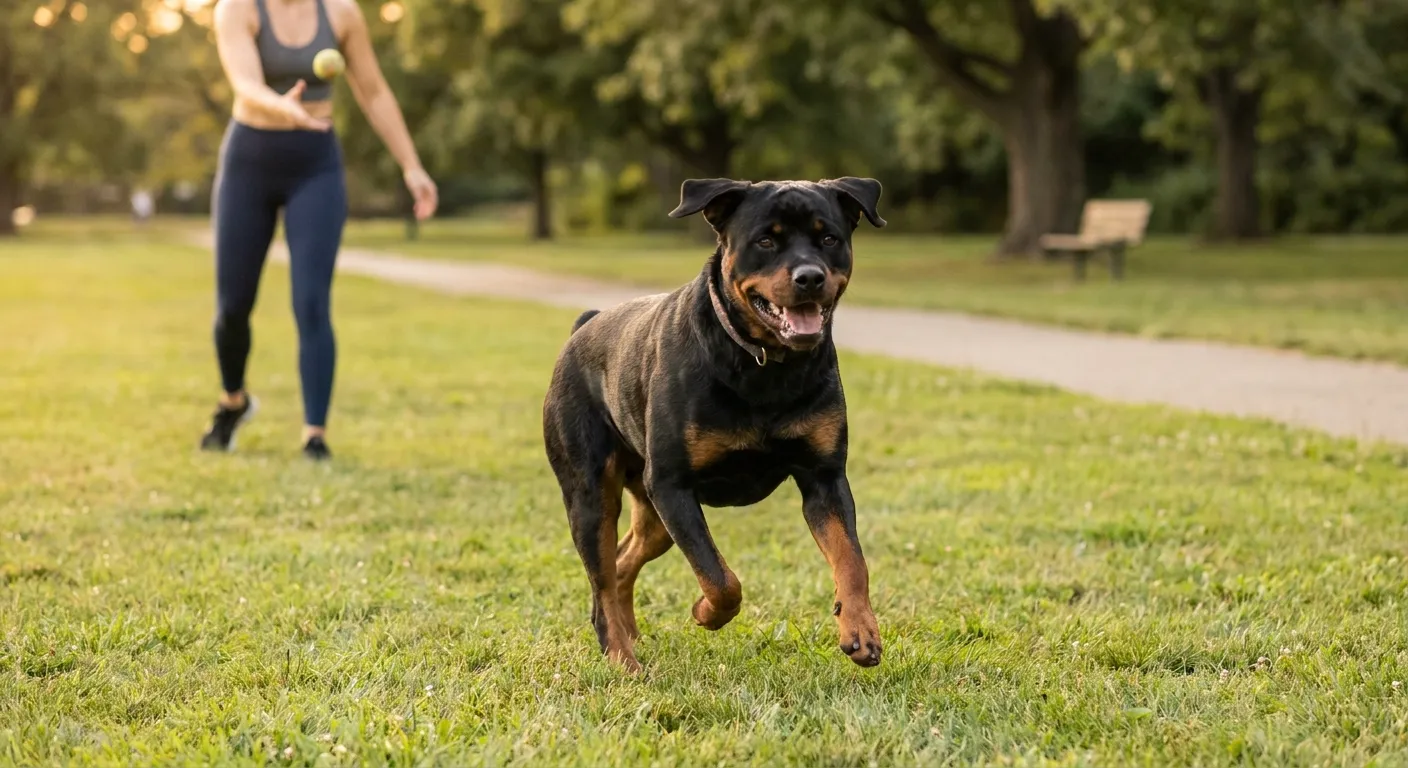
Incorporating games like fetch with durable toys, tug-of-war (with rules to ensure you’re always in control), or flirt pole play is highly beneficial. These activities burn energy quickly and strengthen your bond with your dog. Make sure play is supervised and ends before your dog becomes overly stimulated. For instance, a good session might last 15-20 minutes, followed by a cool-down period. This structured play helps channel their natural prey drive and energy in a positive way. It also provides an excellent outlet for their powerful physique.
3. Mental Stimulation Activities
While not strictly physical, mental exercise complements physical exertion perfectly. Puzzle toys, obedience training sessions, scent work, or even learning new tricks engage their intelligent minds. A mentally tired dog is often as calm as a physically tired one. Indeed, Rottweilers are highly intelligent and excel at learning. Engaging their minds prevents boredom and can significantly reduce the likelihood of behavioral issues. Consider exploring Teaching Basic Rottweiler Commands for a strong foundation in mental engagement.
4. Swimming (if they enjoy it)
Swimming is a low-impact, full-body workout that’s great for joints, especially as your Rottweiler ages. Always supervise closely and ensure they have a safe entry and exit point. Not all Rottweilers are natural swimmers, so introduce them to water gently and never force them. If they take to it, swimming can be an excellent way to burn energy without stressing their joints, which is particularly important for large breeds. This activity is a fantastic alternative or supplement to high-impact exercises.
5. Hiking and Trail Walks
For healthy, adult Rottweilers, exploring nature trails offers both physical challenge and rich sensory experiences. Ensure trails are appropriate for dogs, and always check for ticks and paw injuries afterward. The varied terrain and new smells provide immense mental and physical stimulation. Always respect local leash laws and ensure your dog is well-behaved around other hikers and wildlife. This type of outdoor adventure is particularly rewarding for both you and your Rottweiler, strengthening your bond through shared experiences.
Tailoring Your Rottweiler’s Exercise Routine
Remember to adjust exercise intensity based on your Rottweiler’s age, health, and individual stamina. Puppies need shorter, more frequent play sessions to avoid over-exertion on their developing joints. Adult Rottweilers can handle more vigorous and prolonged activities. Senior Rottweilers, on the other hand, might benefit from shorter walks and more swimming, as discussed in our guide on Navigating Senior Rottweiler Care. Always provide fresh water, especially during and after activity. Consistency in meeting their exercise needs will lead to a healthier, happier Rottweiler who is a joy to live with.
Furthermore, weather conditions play a significant role. Rottweilers can overheat in extreme summer temperatures, so early morning or late evening walks are preferable. In colder climates, ensure they are adequately protected, though their thick coats offer good insulation. Always monitor your dog for signs of fatigue or distress, regardless of the activity.
Understanding your Rottweiler’s individual temperament also helps in tailoring their exercise. Some Rottweilers are more energetic than others. Observing their behavior after exercise can tell you if they’ve had enough or if they need more. A well-exercised Rottweiler is generally calm and content at home, whereas an under-exercised one might show signs of restlessness or destructive tendencies, linking back to common Rottweiler Behavior Challenges.
The Importance of Mental Stimulation for Rottweilers
Beyond physical activity, mental exercise is a critical component of a Rottweiler’s overall well-being. These dogs are highly intelligent and thrive on having a