Rottweilers are generally robust dogs, but like all breeds, they are predisposed to certain genetic and acquired health conditions. Being aware of common Rottweiler health issues is the first step in proactive care, allowing owners to recognize symptoms early and seek timely veterinary attention. Understanding these potential challenges empowers you to make informed decisions about your dog’s diet, exercise, and preventative care, ultimately contributing to a longer, healthier life for your loyal companion.
Understanding Predispositions: Why Rottweilers Face Specific Health Concerns
Every dog breed carries a genetic blueprint that makes them unique, and this includes predispositions to certain health conditions. For Rottweilers, their impressive size, rapid growth rate, and specific genetic lines contribute to their susceptibility to particular ailments. Consequently, responsible breeding practices are paramount. A reputable breeder will conduct extensive health screenings on their breeding stock, aiming to reduce the incidence of hereditary diseases. This diligence helps ensure healthier puppies are born into loving homes. Furthermore, environmental factors, such as diet and exercise, play a significant role in managing or exacerbating these predispositions. Therefore, understanding your Rottweiler’s genetic background combined with optimal care is essential.
Major Common Rottweiler Health Issues: What to Watch For
Proactive monitoring is crucial for maintaining your Rottweiler’s health. Familiarizing yourself with the signs and symptoms of prevalent conditions can make a substantial difference in early detection and treatment. Below, we detail some of the most significant health challenges specific to the breed, providing insights into their nature and what you can do to help.
1. Hip and Elbow Dysplasia: Joint Concerns
Hip and elbow dysplasia are hereditary conditions where the hip or elbow joints don’t form properly. This leads to instability, abnormal wear and tear, and eventually, painful arthritis. Symptoms often include limping, difficulty rising from a resting position, a reluctance to jump or play, or a noticeable change in gait. In puppies, excessive or inappropriate exercise can worsen these conditions. Prevention involves careful breeding, ensuring a healthy weight, and providing appropriate low-impact exercise for young dogs. Regular vet check-ups can monitor joint health and suggest interventions, such as supplements or physical therapy, if needed. For more information on joint health, you might consult resources like the Orthopedic Foundation for Animals (OFA).
2. Osteosarcoma (Bone Cancer): An Aggressive Threat
Rottweilers, sadly, have a higher incidence of osteosarcoma, an aggressive form of bone cancer. This devastating disease primarily affects large and giant breeds. Symptoms can include unexplained lameness, swelling in a limb, or localized pain that worsens over time. Early detection is vital for treatment options, which may include amputation, chemotherapy, or radiation, though the prognosis can be challenging. Regular veterinary examinations and being vigilant about any unexplained limping or swelling are important preventative measures. Always consult your veterinarian if you notice these signs.
3. Aortic Stenosis (AS): A Congenital Heart Condition
Aortic Stenosis (AS) is a congenital heart condition prevalent in Rottweilers. It involves a narrowing of the aorta, the main artery carrying blood from the heart, forcing the heart to work harder. This increased strain can lead to heart enlargement and, eventually, heart failure. A heart murmur may be detected during a routine vet check. Responsible breeders screen for AS using cardiac evaluations, and while not preventable once present, managing symptoms with medication can significantly improve quality of life. Regular cardiac check-ups are essential for affected dogs. It is important to discuss heart health screenings with your breeder when choosing a puppy, as detailed in our guide on Choosing a Reputable Rottweiler Breeder.
4. Gastric Dilatation-Volvulus (GDV) or Bloat: A Medical Emergency
Bloat, or Gastric Dilatation-Volvulus (GDV), is a life-threatening condition common in deep-chested breeds like Rottweilers. It occurs when the stomach fills with gas and twists, cutting off blood supply and trapping food and gas. Symptoms include a distended abdomen, retching without vomiting, restlessness, excessive drooling, and signs of pain. This is a medical emergency requiring immediate veterinary attention. Prevention strategies include feeding multiple small meals instead of one large one, avoiding vigorous exercise an hour before and after meals, and potentially prophylactic gastropexy surgery, especially for dogs with a family history of bloat. Understanding feeding guidelines, as discussed in Optimal Nutrition for Adult Rottweilers, is crucial.
5. Eye Conditions: Keeping Their Vision Clear
Rottweilers can also be prone to various eye conditions, including progressive retinal atrophy (PRA), entropion (inward-rolling eyelids), and ectropion (outward-rolling eyelids). PRA is a degenerative disease that can lead to blindness. Entropion and ectropion can cause irritation, infection, and vision problems if left untreated, often requiring surgical correction. Regular eye examinations by a veterinary ophthalmologist are recommended, particularly if you notice redness, discharge, squinting, or changes in your dog’s vision. Early diagnosis and treatment are key to preserving eye health.
Preventative Strategies for Common Rottweiler Health Issues
While some health conditions are genetic, many can be mitigated or managed through proactive care. Adopting a holistic approach to your Rottweiler’s well-being is the most effective strategy. This includes thoughtful choices about their environment, diet, and veterinary care.
Selecting a Healthy Puppy from a Reputable Breeder
The foundation of a healthy Rottweiler begins with its origins. Choosing a reputable breeder who prioritizes health and temperament is paramount. Such breeders will conduct comprehensive health screenings on their breeding stock for conditions like hip and elbow dysplasia, cardiac issues, and certain eye diseases. They should be transparent about their dogs’ health histories and provide certifications. This initial step significantly reduces the likelihood of inheriting many genetic health problems. Always ask for health clearances from organizations like OFA or PennHIP. A responsible breeder will welcome your questions and provide references. This is a critical step in preventing many Common Rottweiler Health Issues.
Optimal Nutrition: Fueling a Healthy Body
A high-quality, balanced diet is fundamental to your Rottweiler’s overall health and can play a role in preventing several health issues. For example, maintaining an ideal weight is crucial for reducing stress on joints, which is especially important for breeds prone to hip and elbow dysplasia. Furthermore, proper nutrition supports a strong immune system, helping your dog ward off infections and diseases. Consult your veterinarian for dietary recommendations tailored to your Rottweiler’s age, activity level, and specific health needs. Avoid overfeeding and monitor their body condition regularly. Our guide on Optimal Nutrition for Adult Rottweilers offers detailed advice.
Regular Exercise: Maintaining Physical and Mental Well-being
Consistent, appropriate exercise is vital for maintaining a healthy weight and strong muscles, which in turn supports joint health. However, it’s important to tailor exercise to your Rottweiler’s age and physical condition. Puppies need controlled, low-impact exercise to protect developing joints, while adult Rottweilers benefit from moderate to vigorous activity. Regular walks, playtime, and mental stimulation contribute to a balanced dog. Avoid extreme activities that could strain joints, especially during growth phases. For comprehensive guidance on physical activity, refer to our article on Meeting Your Rottweiler’s Daily Exercise Needs. This can help prevent the onset or worsening of various ailments, including some common Rottweiler health issues.
The Importance of Routine Veterinary Care
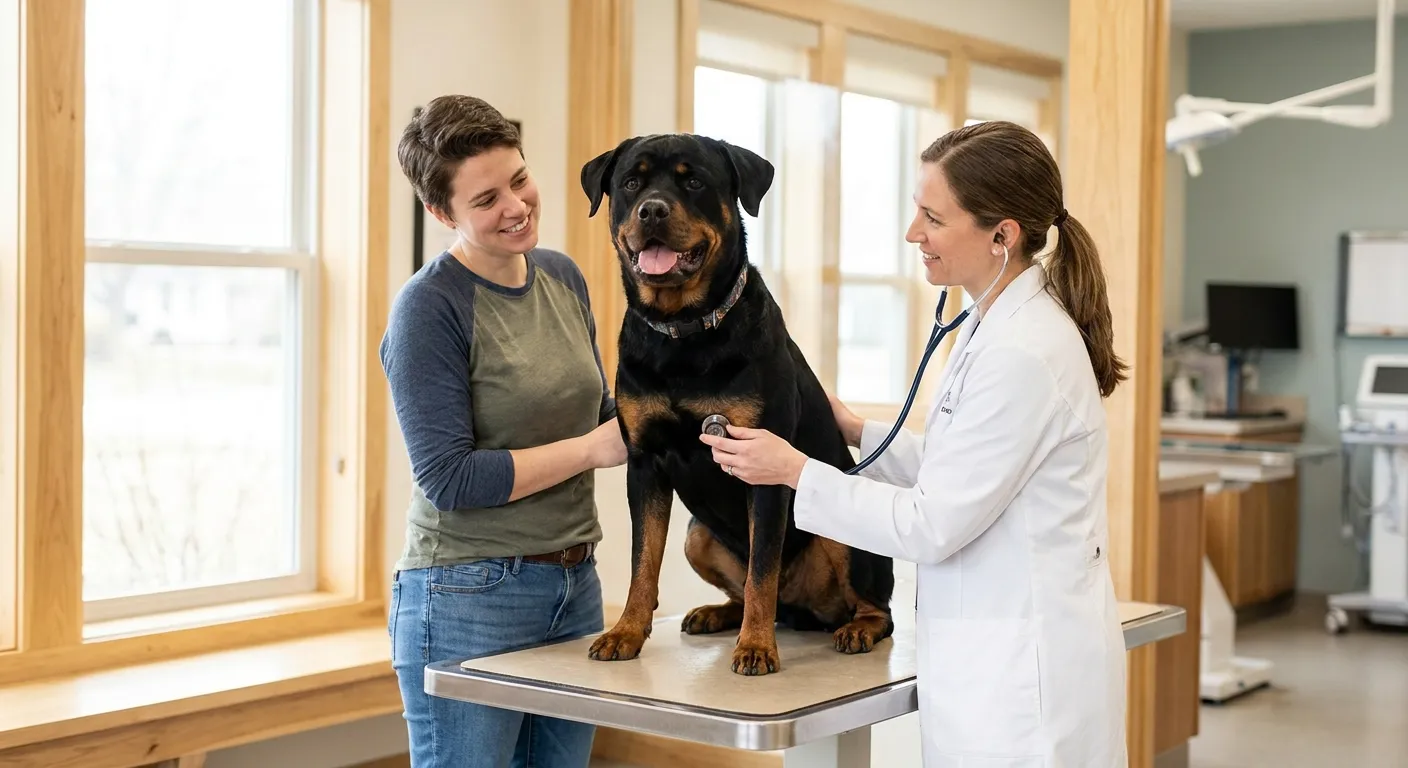
Regular veterinary check-ups are your first line of defense against many health problems. These visits allow your vet to perform thorough physical examinations, administer necessary vaccinations, and conduct preventative screenings. Early detection of conditions like heart murmurs, joint issues, or lumps can lead to more effective and less invasive treatments. Discuss any changes in your Rottweiler’s behavior, appetite, or energy levels with your vet promptly. Preventative care, including parasite control and dental care (see Comprehensive Dental Care for Rottweilers), significantly contributes to long-term health. These routine visits are indispensable for managing common Rottweiler health issues effectively.
Recognizing Symptoms and When to Seek Veterinary Help
As a responsible Rottweiler owner, being observant of your dog’s daily habits and physical condition is paramount. Rottweilers, like many dogs, can be stoic about pain, so subtle changes might be the only indicators of a problem. Learning to recognize these cues can be life-saving. For instance, a slight limp that persists, a change in appetite or water intake, unusual lethargy, or any new lumps or bumps warrant immediate attention. Similarly, changes in breathing patterns, coughing, or difficulty with urination or defecation are red flags. It is always better to err on the side of caution and consult your veterinarian if you notice anything out of the ordinary. Prompt action can significantly improve the outcome for many health conditions. Therefore, staying vigilant is key for monitoring common Rottweiler health issues.
Beyond the Common: Other Potential Health Concerns
While we’ve focused on the most prevalent conditions, Rottweilers can also be susceptible to other health issues. These include various allergies, both environmental and food-related, which can manifest as skin irritations, itching, or digestive upset. Hypothyroidism, an underactive thyroid gland, is another condition that can affect their metabolism, leading to weight gain, lethargy, and skin problems. Certain types of cancer, besides osteosarcoma, can also occur, such as lymphoma or hemangiosarcoma. Awareness of these broader possibilities reinforces the importance of regular veterinary check-ups and a comprehensive approach to your Rottweiler’s health. Discussing family history with your breeder can provide insights into other potential predispositions. Staying informed about all potential health challenges is part of being a diligent owner.
A Lifetime of Care: From Puppyhood to Senior Years
The health journey of a Rottweiler spans their entire life, requiring evolving care as they age. Puppyhood is a critical period for proper nutrition, controlled exercise, and early socialization to build a strong foundation. As they mature into adults, maintaining an optimal weight, consistent exercise, and regular vet visits become the cornerstone of preventative care. Finally, as Rottweilers enter their senior years, their needs shift again. They may require more frequent vet check-ups, joint supplements, specialized diets, and adaptations to their environment to accommodate decreased mobility or sensory changes. Our guide on Navigating Senior Rottweiler Care provides comprehensive advice for supporting your aging companion. Throughout all stages of life, a proactive and observant approach will help address common Rottweiler health issues and ensure a good quality of life.
The best preventative strategy involves sourcing your puppy from a reputable breeder who conducts health screenings, providing a high-quality diet, maintaining a healthy weight, ensuring regular exercise, and committing to routine veterinary check-ups. Early intervention significantly improves outcomes for many health conditions. Work closely with your veterinarian to develop a tailored health plan for your Rottweiler, addressing any concerns promptly and maintaining their well-being throughout their life. Your dedication to their health will be rewarded with years of loyal companionship.
Conclusion
Understanding the potential health challenges your Rottweiler may face is a cornerstone of responsible pet ownership. From genetic predispositions like hip and elbow dysplasia and aortic stenosis to serious concerns like osteosarcoma and bloat, being informed empowers you to take proactive steps. By choosing a reputable breeder, providing optimal nutrition, ensuring regular and appropriate exercise, and committing to routine veterinary care, you can significantly mitigate risks and detect problems early. Remember, your vigilance and partnership with your veterinarian are the most powerful tools in ensuring your Rottweiler lives a long, healthy, and happy life. Investing in their well-being from puppyhood through their senior years is the ultimate expression of your care.
FAQ
What are the most frequent health problems in Rottweilers?
Rottweilers commonly experience hip and elbow dysplasia, osteosarcoma (bone cancer), aortic stenosis (a heart condition), and gastric dilatation-volvulus (bloat). They may also be prone to certain eye conditions and other cancers.
How can I prevent my Rottweiler from getting sick?
Prevention involves selecting a puppy from a reputable breeder with health-screened parents, providing a high-quality diet to maintain a healthy weight, ensuring regular and appropriate exercise, and scheduling routine veterinary check-ups for early detection and preventative care.
Are Rottweilers prone to cancer?
Yes, Rottweilers have a higher predisposition to certain types of cancer, notably osteosarcoma (bone cancer). They can also be affected by other cancers like lymphoma and hemangiosarcoma.
What are the signs of bloat in a Rottweiler?
Signs of bloat (GDV) include a distended or swollen abdomen, retching without vomiting, restlessness, excessive drooling, labored breathing, and signs of pain or discomfort. This is a life-threatening emergency requiring immediate veterinary attention.
How important are regular vet visits for my Rottweiler’s health?
Regular veterinary check-ups are extremely important. They allow for early detection of potential health issues, administration of necessary vaccinations, preventative screenings, and personalized advice on diet and exercise. Early intervention significantly improves outcomes for many conditions.
Can diet impact my Rottweiler’s joint health?
Absolutely. Maintaining a healthy weight through proper nutrition is crucial for joint health. Excess weight puts undue stress on joints, exacerbating conditions like hip and elbow dysplasia. A balanced diet also supports overall musculoskeletal integrity.