
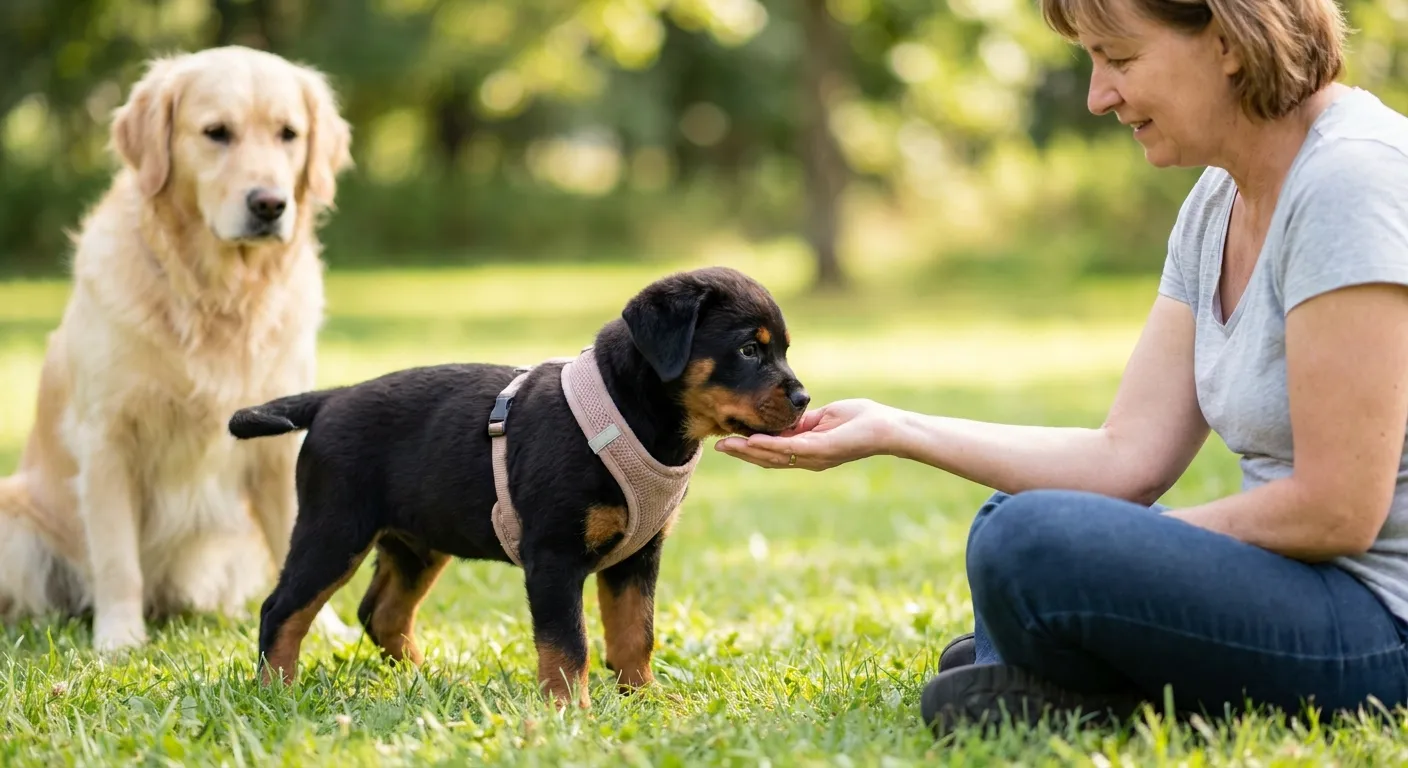
Bringing home a Rottweiler puppy is an exciting journey, filled with anticipation for the loyal companion they will become. However, the path to a well-adjusted adult Rottweiler begins long before they reach maturity. One of the most critical steps in this foundational period is Rottweiler puppy socialization. This isn’t just about letting your puppy play with other dogs; it’s a comprehensive process of safely exposing them to a wide variety of people, places, sounds, and experiences during their crucial developmental window.
Why Early Socialization is Non-Negotiable for Rottweilers
Rottweilers are powerful, intelligent dogs with a strong protective instinct. Without proper socialization, this protective nature can easily morph into fear-based aggression or excessive shyness. Early, positive exposure helps your puppy develop confidence, learn appropriate responses to new stimuli, and understand their place in the world. A well-socialized Rottweiler is more likely to be calm, adaptable, and less prone to anxiety or reactive behaviors when faced with unfamiliar situations. This proactive approach prevents many behavioral challenges that can arise later, making life more enjoyable for both you and your dog.
The Golden Window: When and How to Start Socialization
The most critical period for socialization is between 3 and 16 weeks of age. During this time, puppies are highly impressionable and open to new experiences. While your puppy should have received their initial vaccinations before extensive outings, safe socialization can begin even before they are fully vaccinated by carefully selecting environments. Focus on low-risk settings, such as controlled puppy classes, friends’ homes with known healthy dogs, or quiet parks during off-peak hours where you can carry your puppy. The key is controlled, positive exposure, not overwhelming immersion.
What Does Effective Rottweiler Puppy Socialization Look Like?
Effective socialization is about quality over quantity. It involves creating positive associations with new experiences. Here’s a breakdown of key areas:
- People: Introduce your puppy to people of all ages, sizes, and appearances (wearing hats, glasses, different uniforms). Ensure interactions are gentle and positive, perhaps with treats.
- Places: Visit different environments – quiet streets, parks, pet-friendly stores (carrying them if necessary), vet clinics (for positive, non-procedure visits), and even just sitting in your car observing the world.
- Sounds: Expose them to common household noises (vacuum cleaner, doorbell), city sounds, and even specific sounds like children playing or distant thunder, always pairing with calm reassurance or treats.
- Other Dogs & Animals: Supervised play with vaccinated, friendly dogs of various breeds and sizes is invaluable. Ensure interactions are balanced and positive. If possible, safe exposure to other calm animals like cats can also be beneficial.
Creating Positive Associations Through Controlled Exposure
The goal of Rottweiler puppy socialization is to build positive associations with new experiences. Therefore, every new encounter should be a positive one. This means keeping interactions short, providing plenty of praise, and offering high-value treats. For example, if you introduce your puppy to a new sound, immediately follow it with a treat. This teaches them that new things are good and not to be feared. Moreover, never force your puppy into a situation they are clearly uncomfortable with. Instead, retreat to a comfortable distance and try again later, gradually increasing proximity as they show signs of comfort.
Remember, a crucial aspect of this process is observation. Pay close attention to your puppy’s body language. Signs of stress include tail tucked, ears flattened, yawning, lip licking, or trying to hide. If you observe these signs, it’s time to reduce the intensity of the exposure or remove your puppy from the situation entirely. Building confidence takes time and patience, particularly with a breed as sensitive and intelligent as the Rottweiler.
The Role of Puppy Classes in Social Development
Enrolling in a well-regarded puppy socialization class is highly recommended. These classes offer a controlled and safe environment for your Rottweiler puppy to interact with other puppies of similar age and size. Furthermore, they provide invaluable opportunities for your puppy to learn appropriate play behaviors under the guidance of experienced trainers. Trainers can help you interpret your puppy’s interactions and intervene if play becomes too rough or one puppy is being overwhelmed. This structured environment is ideal for developing crucial social skills. Look for classes that emphasize positive reinforcement and focus on creating happy, confident puppies.
Beyond just dog-to-dog interaction, many puppy classes also incorporate exposure to different surfaces, sounds, and even people. This holistic approach ensures a broader scope of early life experiences. For information on effective training methods, explore resources on Rottweiler Training & Control Gear.
Continuing Socialization Beyond the Puppy Stage
While the golden window for Rottweiler puppy socialization closes around 16 weeks, socialization is an ongoing process throughout your dog’s life. Adolescence, typically from 6 months to 2 years, can bring new challenges as your Rottweiler matures and tests boundaries. Therefore, it’s vital to continue positive exposure to new people, places, and experiences. Regularly visit new parks, take walks in different neighborhoods, and continue to introduce them to calm, friendly dogs. This ongoing effort reinforces their earlier learning and helps maintain a confident, adaptable temperament.
Consider enrolling in advanced obedience classes or even dog sports. These activities provide mental stimulation and continued social opportunities in a structured setting. Moreover, they strengthen the bond between you and your Rottweiler, which is fundamental to their overall well-being. A well-adjusted Rottweiler is a joy to live with, and sustained socialization is key to achieving this.
Common Socialization Mistakes to Avoid
Even with the best intentions, owners can inadvertently make mistakes that hinder effective Rottweiler puppy socialization. Here are some common pitfalls to avoid:
- Overwhelming your puppy: Too much, too fast can be detrimental. Start with short, positive exposures and gradually increase duration and intensity.
- Forcing interactions: Never push your puppy into an interaction they are clearly uncomfortable with. This can create negative associations and fear.
- Allowing bad experiences: Protect your puppy from negative encounters with aggressive dogs or overly boisterous children. One bad experience can set back progress significantly.
- Lack of consistency: Socialization is not a one-time event. It requires consistent effort and ongoing exposure to be truly effective.
- Ignoring body language: Always pay attention to your puppy’s signals. They will tell you when they are happy, stressed, or fearful.
- Exclusive dog park visits: While dog parks can offer opportunities for interaction, they can also be overwhelming and potentially dangerous for young, unvaccinated, or shy puppies. Prioritize controlled, positive interactions.
Instead, focus on quality over quantity and prioritize your puppy’s comfort and safety. Proper planning and careful execution of your socialization plan will yield the best results for your Rottweiler puppy.
The Link Between Socialization and Overall Health
A well-socialized Rottweiler puppy is not only happier but also healthier. Stress and anxiety can negatively impact a dog’s immune system and overall physical well-being. By reducing fear and promoting confidence through proper socialization, you contribute to a stronger, more resilient dog. Furthermore, a dog that is comfortable with new people and environments is often easier to handle during veterinary visits, making routine check-ups and necessary treatments less stressful for everyone involved. For more information on maintaining your Rottweiler’s health, visit our Health & Wellness section.
Consider also the mental health benefits. A puppy that learns to cope with novel situations develops better problem-solving skills and a more robust emotional state. This mental resilience is just as important as physical health for a long, happy life. Therefore, early socialization is an investment in both your puppy’s physical and psychological health.
Resources for Continued Socialization Support
There are many resources available to help you on your socialization journey. Look for reputable dog trainers in your area who specialize in positive reinforcement methods. Many offer puppy classes, workshops, and even one-on-one sessions. Online communities and forums can also provide support and advice, but always cross-reference information with certified professionals. Additionally, books on Rottweiler care and training can offer valuable insights. Explore our Rottweiler Care Books for further reading.
Remember, you are your puppy’s guide to the world. Your calm demeanor and confident leadership will greatly influence how they perceive new experiences. Be patient, be consistent, and enjoy the process of watching your Rottweiler puppy grow into a confident, well-adjusted adult. This dedication to early socialization will lay the groundwork for a lifetime of companionship and joy. Moreover, consult resources like the American Veterinary Society of Animal Behavior for guidelines on early puppy socialization and vaccination protocols to ensure your approach is safe and effective: AVSAB Puppy Socialization Position Statement. For broader understanding of dog behavior and development, resources from the American Kennel Club can also be invaluable: AKC Puppy Socialization.
Conclusion
Mastering Rottweiler puppy socialization is arguably one of the most important responsibilities you undertake as a Rottweiler owner. It is a critical investment in your dog’s future, shaping their temperament, confidence, and ability to navigate the world calmly and happily. By understanding the golden window, implementing positive exposure techniques, and avoiding common mistakes, you can raise a well-adjusted, confident, and beloved companion. The effort you put into proper socialization during these crucial early months will be rewarded with a loyal, stable, and joyful Rottweiler for years to come. Start early, be consistent, and savor every positive interaction; your Rottweiler puppy will thank you for it with a lifetime of companionship.
FAQ:
What is the best age to begin a Rottweiler puppy’s social training?
The ideal time to start a Rottweiler puppy’s social training is between 3 and 16 weeks of age. This period is often referred to as the