Maintain rottweiler joint health is the focus of this guide. Maintaining Rottweiler joint health is crucial for their long-term well-being and mobility. As a large, powerful breed, Rottweilers are prone to certain orthopedic conditions like hip and elbow dysplasia, as well as arthritis. Proactive care can significantly impact their quality of life, helping them remain active and comfortable throughout their years. Furthermore, understanding the factors contributing to these issues allows owners to implement effective preventative strategies early on.
Understanding Rottweiler Joint Vulnerabilities
Rottweilers, known for their robust build and strength, unfortunately carry a predisposition to several joint-related conditions. Hip dysplasia and elbow dysplasia are genetic, developmental disorders where the joints don’t form correctly. Consequently, this leads to instability and degenerative joint disease. Arthritis, or osteoarthritis, is another common concern, often developing as a secondary condition from dysplasia or simply due to aging and wear and tear. Recognizing these vulnerabilities is the first step in taking effective preventative action. Therefore, early intervention and consistent management are key to mitigating the impact of these conditions.
Genetic Predisposition and Responsible Breeding
Genetics play a significant role in a Rottweiler’s propensity for joint issues. Responsible breeders meticulously screen their breeding stock for orthopedic conditions. They use certifications like those from the Orthopedic Foundation for Animals (OFA) or PennHIP. When acquiring a Rottweiler puppy, inquire about the health clearances of the parents. This due diligence can significantly reduce the risk of your puppy developing hereditary joint problems. Choosing a reputable breeder is, in fact, one of the most proactive steps you can take.
Diet and Supplements to Maintain Rottweiler Joint Health
Nutrition plays a pivotal role in supporting strong joints. Ensure your Rottweiler receives a high-quality diet appropriate for their life stage, which helps maintain a healthy weight and reduces stress on their joints. Overweight dogs are far more susceptible to joint issues. Consider veterinarian-approved supplements containing ingredients like glucosamine, chondroitin, and Omega-3 fatty acids. These can help support cartilage health and reduce inflammation, acting as a preventative measure rather than a cure. For more information on suitable dietary options, explore our Food, Treats & Feeding Gear section. Moreover, a balanced diet provides essential nutrients for overall skeletal integrity.
Weight Management: A Cornerstone of Joint Care
Excess weight puts immense strain on a Rottweiler’s joints. Even a few extra pounds can accelerate the degeneration of cartilage and exacerbate existing conditions. Therefore, maintaining an ideal body condition is paramount. Work with your veterinarian to establish a feeding plan that provides adequate nutrition without leading to obesity. Regular monitoring of your dog’s weight and body score is essential. Furthermore, adjust food portions as needed based on activity levels and age. This proactive approach helps to maintain Rottweiler joint health effectively.
Beneficial Supplements for Joint Support
While a balanced diet is fundamental, certain supplements can offer additional support for joint health. Glucosamine and chondroitin are widely recognized for their role in supporting cartilage repair and elasticity. Omega-3 fatty acids, particularly EPA and DHA found in fish oil, possess potent anti-inflammatory properties, which can alleviate discomfort. Methylsulfonylmethane (MSM) is another supplement often included for its pain-relieving and anti-inflammatory effects. Always consult your veterinarian before introducing any supplements to ensure they are appropriate for your Rottweiler’s specific needs and do not interact with other medications. You can find useful resources on canine nutrition and health within our Health & Wellness section.
Controlled Exercise and Regular Veterinary Check-ups
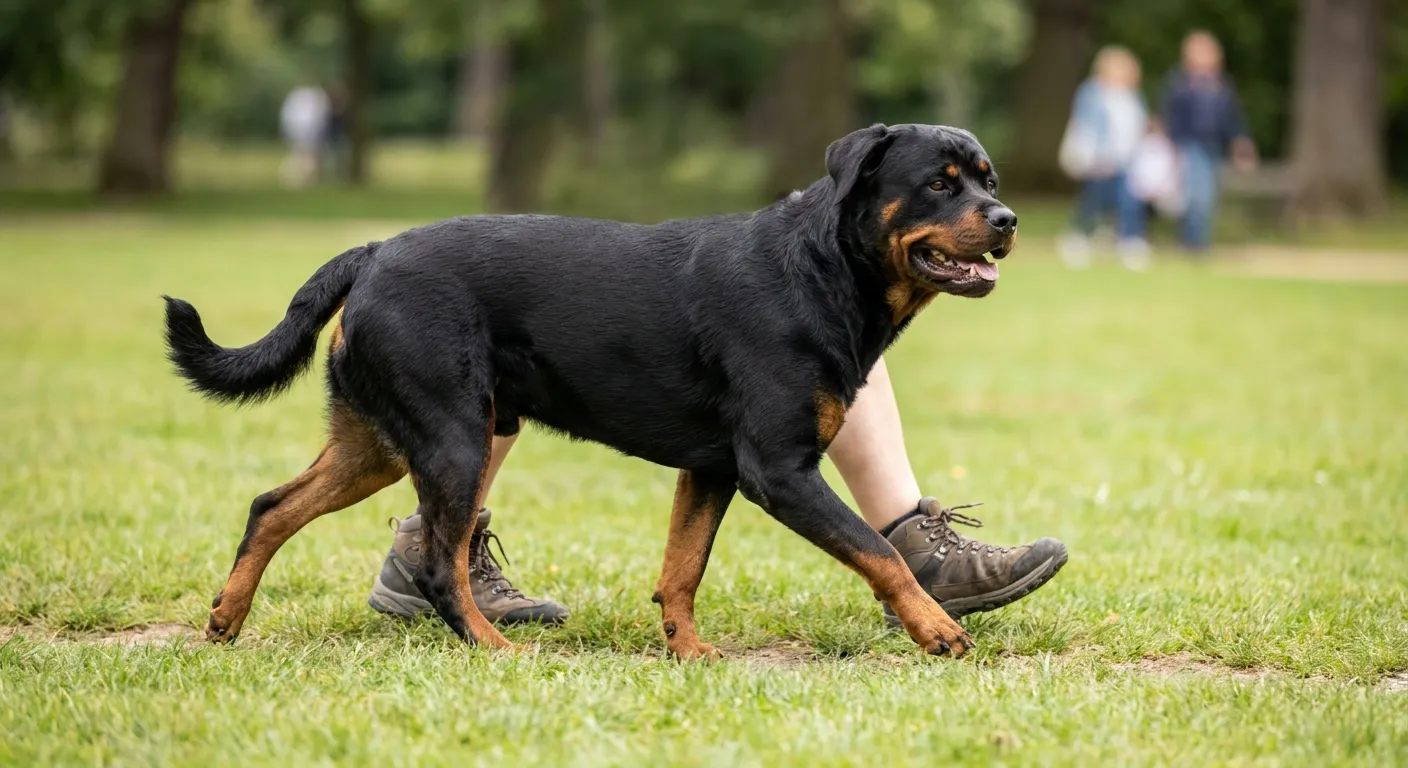
Appropriate exercise is essential, but it must be managed carefully. Avoid high-impact activities, especially during puppyhood when their growth plates are still developing. Focus on moderate, consistent exercise such as leash walks and swimming. Regular veterinary check-ups are non-negotiable. Your vet can monitor your Rottweiler’s gait, assess their joint health, and recommend early interventions or diagnostic screenings if any concerns arise. Early detection of joint issues allows for more effective management strategies. In addition, proper exercise helps to strengthen the muscles surrounding the joints, providing crucial support.
Safe Exercise Regimens for Growing Rottweilers
During the rapid growth phase of a Rottweiler puppy, typically up to 18-24 months of age, their bones and joints are particularly vulnerable. High-impact activities like jumping, extensive fetching on hard surfaces, or prolonged, strenuous runs should be strictly avoided. Instead, focus on controlled, low-impact exercises. Short, frequent walks on soft surfaces like grass are ideal. Swimming is an excellent non-weight-bearing exercise that builds muscle without stressing joints. Furthermore, prevent puppies from jumping on and off furniture or using stairs excessively. Proper management of exercise in youth is vital to maintain Rottweiler joint health throughout their life.
Lifelong Exercise for Adult Rottweilers
For adult Rottweilers, consistent, moderate exercise remains key. Daily walks, controlled playtime, and swimming are excellent choices. The goal is to keep muscles strong and joints mobile without overexertion. Avoid sudden bursts of intense activity if your dog is not conditioned for it. Instead, gradually increase duration and intensity. Observe your dog for any signs of discomfort or lameness during or after exercise. If you notice any changes, consult your veterinarian promptly. Moreover, incorporating mental stimulation alongside physical activity contributes to overall well-being. For ideas on safe outdoor activities and travel, visit our Outdoor, Travel & Safety page.
Environmental Adjustments and Preventative Care
Beyond diet and exercise, environmental factors play a significant role in supporting a Rottweiler’s joint health. Creating a joint-friendly home environment can greatly reduce daily strain and improve comfort, especially for older dogs or those with existing conditions. Simple modifications can make a big difference in their quality of life. Furthermore, preventative care extends to regular monitoring and early intervention.
Creating a Joint-Friendly Home Environment
Consider using orthopedic beds that provide ample support and cushioning. Hard floors can be slippery and difficult for dogs with joint pain; place rugs or non-slip mats in frequently used areas. Ramps or pet stairs can help your Rottweiler access elevated surfaces like beds or cars without jumping, thereby reducing impact on their joints. Keep their nails trimmed to ensure proper paw alignment and gait. Cold weather can exacerbate joint stiffness, so ensure your dog has a warm, comfortable place to rest. These adjustments help to maintain Rottweiler joint health by minimizing everyday stressors.
Regular Veterinary Check-ups and Early Detection
Consistent veterinary care is fundamental. Regular check-ups allow your vet to assess your Rottweiler’s gait, palpate their joints, and identify any early signs of discomfort or stiffness. They may recommend periodic X-rays, especially for breeds prone to dysplasia, to monitor joint health over time. Early detection of conditions like hip or elbow dysplasia means that management strategies, such as physical therapy, medication, or even surgical intervention, can be implemented sooner, leading to better outcomes. Never underestimate the value of your veterinarian’s expertise in helping to preserve your dog’s mobility. For comprehensive health information, refer to reputable sources like the American Kennel Club’s Rottweiler health guide or the Orthopedic Foundation for Animals.
Advanced Therapies and Long-Term Management
For Rottweilers experiencing significant joint issues, a range of advanced therapies can help manage pain and improve mobility. These are often used in conjunction with foundational care like diet and exercise. Long-term management involves a multi-faceted approach tailored to the individual dog’s needs. Therefore, collaboration with your veterinarian is essential to create the most effective plan.
Physical Therapy and Rehabilitation
Canine physical therapy, also known as rehabilitation, offers various techniques to strengthen muscles, improve range of motion, and reduce pain. This can include hydrotherapy (underwater treadmill), therapeutic exercises, massage, and modalities like laser therapy or ultrasound. A certified canine rehabilitation therapist can design a customized program for your Rottweiler, significantly improving their quality of life. This specialized care is particularly beneficial for dogs recovering from surgery or those with chronic arthritis.
Pain Management and Anti-inflammatory Medications
When necessary, your veterinarian may prescribe medications to manage pain and inflammation. Non-steroidal anti-inflammatory drugs (NSAIDs) are commonly used, but it’s crucial to use them only under veterinary guidance due to potential side effects. Other pain medications or joint-specific injections may also be considered. The goal is to keep your Rottweiler comfortable and active, allowing them to enjoy their daily life with minimal discomfort. Regular monitoring is essential to ensure the medication is effective and well-tolerated.
Surgical Options for Severe Cases
In severe cases of hip or elbow dysplasia, or other significant orthopedic injuries, surgical intervention might be recommended. Procedures like total hip replacement, femoral head ostectomy (FHO), or corrective osteotomies can dramatically improve a dog’s mobility and alleviate chronic pain. Your veterinarian will discuss the pros and cons of surgical options, recovery times, and expected outcomes, helping you make an informed decision for your Rottweiler’s future. While surgery is a major step, it can offer a new lease on life for many dogs. To ensure your Rottweiler’s comfort and support during recovery, you might find useful items in our Crates, Bedding & Home Setup section.
Conclusion
Proactive measures are indispensable to maintain Rottweiler joint health throughout their lives. By prioritizing a balanced, weight-appropriate diet, controlled and consistent exercise, and regular veterinary oversight, you can significantly contribute to their well-being. Furthermore, environmental adjustments, early detection of issues, and advanced therapeutic options when needed, all play vital roles. A dedicated and informed approach ensures your powerful Rottweiler enjoys a happy, active, and comfortable life for many years to come. Remember, consistency and attentiveness are your best tools in preserving their mobility and overall quality of life.
FAQ Section
What are common joint problems in Rottweilers?
Rottweilers are often predisposed to hip and elbow dysplasia, which are genetic conditions where the joints don’t develop correctly. They can also develop arthritis, especially as they age or as a secondary condition to dysplasia.
How does diet impact a Rottweiler’s joint health?
A high-quality diet helps maintain a healthy weight, which is crucial as excess weight puts significant strain on joints. Certain nutrients and supplements like glucosamine, chondroitin, and Omega-3 fatty acids can also support cartilage health and reduce inflammation.
What kind of exercise is best for Rottweiler joints?
Moderate, consistent, and low-impact exercises are best. This includes leash walks, swimming, and controlled playtime. High-impact activities, especially during puppyhood, should be avoided to protect developing joints.
When should I start joint care for my Rottweiler?
Joint care should begin from puppyhood. Responsible breeding practices, proper nutrition, controlled exercise, and early veterinary check-ups are important from a young age to prevent or mitigate future joint issues.
Can environmental changes help a dog with joint issues?
Yes, environmental adjustments can be very helpful. Using orthopedic beds, providing non-slip surfaces, and offering ramps or pet stairs can reduce strain on joints and improve comfort for Rottweilers, especially those with existing conditions.