
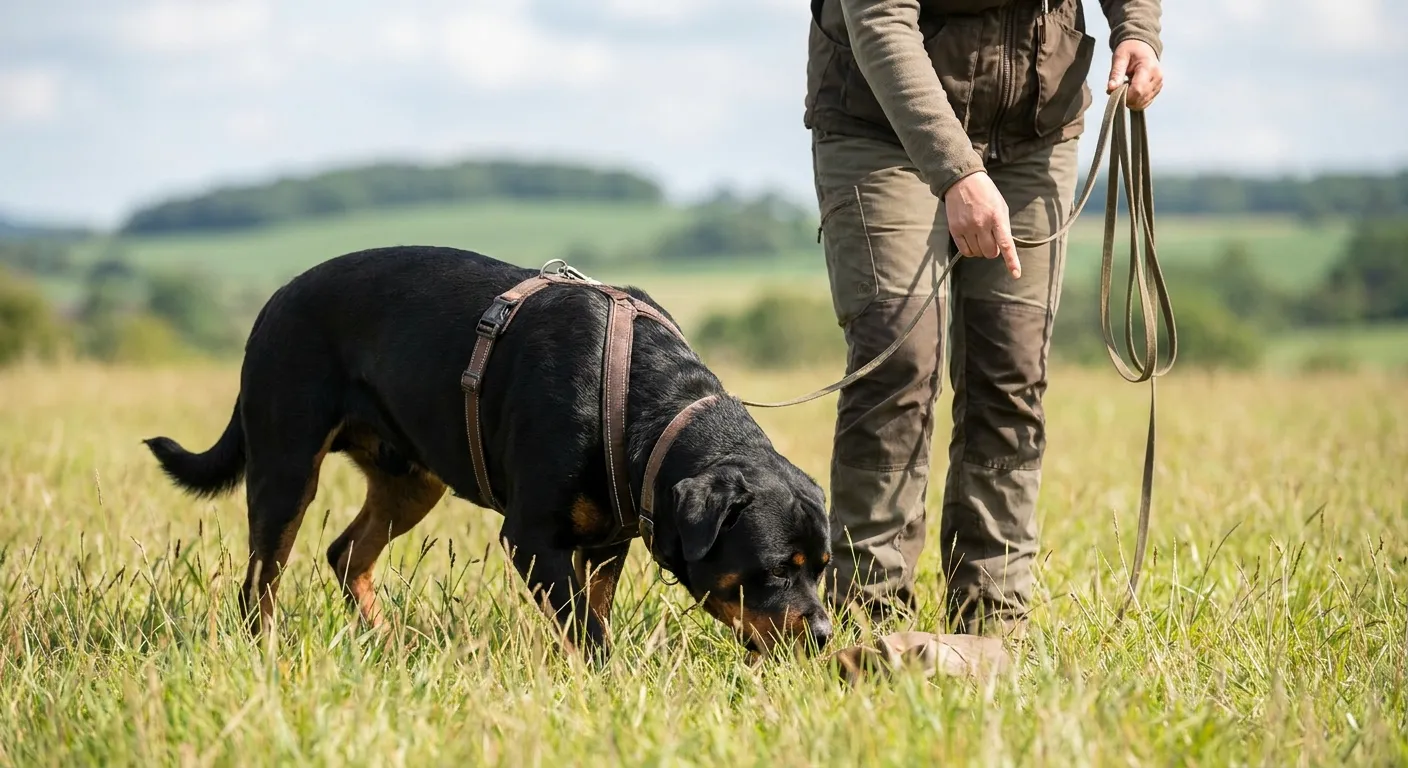
Beneath their imposing exterior, Rottweilers are intelligent, active working dogs with a deep need for both physical exertion and mental engagement. Simply letting them out in the yard isn’t enough to satisfy their breed-specific drives. Without adequate outlets, a bored Rottweiler can quickly become a destructive or disobedient one. Providing consistent Rottweiler exercise and mental stimulation is not just about burning energy; it’s about nurturing their well-being and preventing common behavioral issues.
At RottweilerDogGuide.com, we provide expert information on care and training to help owners raise well-balanced, confident, and happy dogs. Investing in your Rottweiler’s overall wellness includes understanding and meeting their daily activity requirements.
The Rottweiler’s Need for Purpose
Rottweilers were bred for herding livestock and pulling carts, tasks that demanded both physical endurance and problem-solving skills. This heritage means they thrive when given a ‘job’ to do. While modern Rottweilers may not be pulling carts, their innate desire for purpose remains. Approximately 60-90 minutes of daily exercise, split into several sessions, combined with mental enrichment, is a good starting point. Furthermore, individual needs may vary based on age and health.
Physical Activities Your Rottweiler Will Love
Beyond basic walks, incorporate activities that challenge their strength and stamina:
- Brisk Walks and Hikes: Explore varied terrains to engage different muscle groups. Ensure you’re walking at a pace that keeps them engaged. Consequently, this helps build endurance.
- Jogging/Running: If your Rottweiler is conditioned and cleared by your vet, jogging alongside you can be a great way to expend energy. Always build up duration gradually.
- Swimming: An excellent low-impact exercise that’s easy on joints. Many Rottweilers enjoy water, but introduce it safely. In fact, it’s a great full-body workout.
- Fetch and Tug-of-War: Classic games that satisfy their prey drive and bond with you. Ensure rules are established for tug-of-war to prevent resource guarding.
- Dog Sports: Activities like carting (weight pulling), tracking, and agility are fantastic for channeling their working drive and athleticism. They also build incredible confidence and focus.
Boosting Brainpower: Mental Stimulation is Key
A tired body is good, but a tired mind is even better for a Rottweiler. Mental enrichment prevents boredom, reduces anxiety, and strengthens your bond. Consider these options:
- Puzzle Toys: Food-dispensing toys that require manipulation to release treats keep them occupied and thinking. These are especially useful for independent play.
- Obedience Training: Regular training sessions, even for dogs who know basic commands, reinforce good behavior and provide mental work. Aim for short, frequent sessions.
- Scent Work/Nose Games: Hide treats or toys around the house or yard and encourage your Rottweiler to find them. This taps into their natural sniffing abilities and is incredibly satisfying for them. For example, you can start with easy finds and gradually increase difficulty.
Tailoring Exercise to Your Rottweiler’s Age and Health
The specific requirements for Rottweiler exercise and mental stimulation will naturally evolve throughout their life. Puppies, adults, and senior Rottweilers each have distinct needs. Understanding these differences is crucial for their long-term health and happiness.
Puppy Exercise: Gentle Growth and Early Learning
Rottweiler puppies are bundles of energy, but their growing bones and joints are delicate. Therefore, strenuous, high-impact activities should be avoided. Focus on short, frequent play sessions and controlled walks. For instance, two to three 10-15 minute walks a day are often sufficient. Mental stimulation for puppies can involve basic obedience training, introducing puzzle toys, and supervised exploration of new, safe environments. This early exposure helps them develop confidence and good manners. Importantly, avoid over-exercising young Rottweilers to prevent future orthopedic issues.
Adult Rottweilers: Peak Performance and Engagement
Adult Rottweilers (typically 18 months to 7 years) are in their prime and require robust routines for Rottweiler exercise and mental stimulation. This is when they can truly excel in various dog sports and more intense physical activities. Daily brisk walks, jogging, swimming, and engaging in structured play sessions are ideal. Furthermore, adult Rottweilers benefit greatly from advanced obedience training, agility, or even formal protection work, if appropriate for the individual dog. These activities not only provide physical outlets but also satisfy their inherent desire to work and problem-solve. Aim for at least 60-90 minutes of vigorous activity daily, often split into two or three sessions. This consistent effort is vital for maintaining their physical condition and mental sharpness.
Senior Rottweilers: Comfort and Continued Engagement
As Rottweilers age, their exercise needs will decrease, and comfort becomes a priority. However, this does not mean activity should cease entirely. Gentle, shorter walks, swimming (if comfortable), and low-impact play are still beneficial. The focus shifts from high-intensity workouts to maintaining joint health and mobility. Mental stimulation remains incredibly important for senior Rottweilers to keep their minds sharp and prevent cognitive decline. Puzzle toys, gentle scent games, and short, familiar training sessions can provide this enrichment. Consult your veterinarian to tailor an exercise plan that accommodates any age-related conditions, such as arthritis. Similarly, ensure their environment is comfortable and safe.
The Importance of Consistency and Variety
Rottweilers thrive on routine, yet they also benefit from variety. A consistent schedule for Rottweiler exercise and mental stimulation helps them anticipate activities and reduces anxiety. However, introducing new routes for walks, different types of puzzle toys, or varying training exercises keeps them engaged and prevents boredom. In addition, rotating activities helps to work different muscle groups and maintain their interest. For example, one day might involve a long hike, while the next could be a focused training session followed by a swim. This balanced approach ensures all aspects of their well-being are addressed.
Common Behavioral Issues Stemming from Lack of Stimulation
When Rottweilers do not receive adequate physical and mental outlets, they often develop undesirable behaviors. This is not out of spite, but rather a manifestation of their unmet needs. For example, destructive chewing, excessive barking, digging, and even aggression can stem from boredom and pent-up energy. A Rottweiler that is consistently under-stimulated may also become anxious or withdrawn. By proactively providing sufficient Rottweiler exercise and mental stimulation, owners can prevent these issues, fostering a calm, well-adjusted companion. Addressing these needs is a cornerstone of responsible Rottweiler ownership.
Integrating Training into Daily Activities
Every walk and play session is an opportunity for training and reinforcement. Incorporating commands like
Explore more: More from Rottweiler Dog Guide