
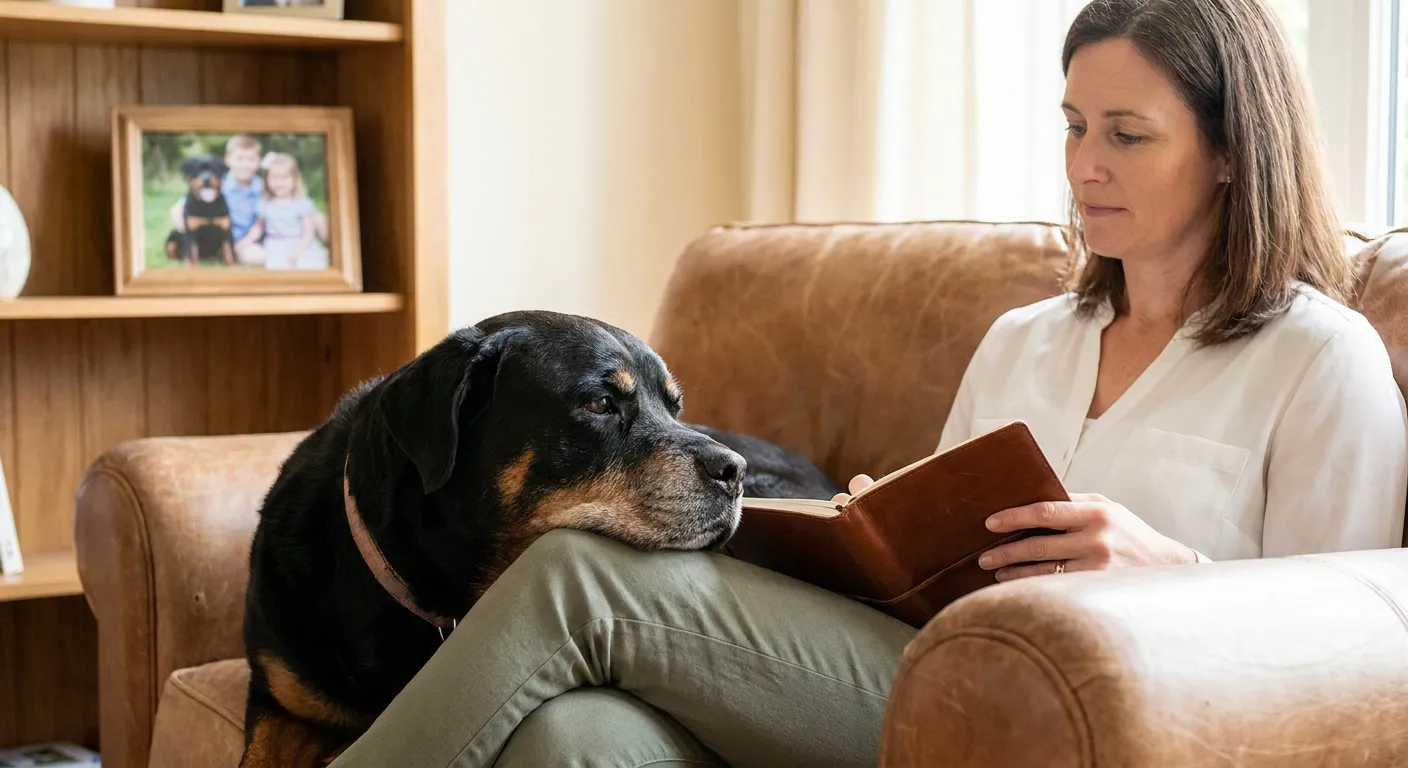
Bringing a Rottweiler into your life is a profound decision, one that extends far beyond puppyhood and basic obedience. It’s a commitment to a magnificent, powerful, and sensitive breed that thrives on consistent care, dedicated training, and unwavering companionship. Embracing a responsible Rottweiler ownership guide means understanding and fulfilling their unique needs throughout every stage of their life, from energetic puppy to dignified senior. This isn’t merely about providing food and shelter; it’s about nurturing their physical, mental, and emotional well-being to ensure they are a well-adjusted and valued member of society.
Understanding Breed-Specific Needs: More Than Just a Dog
Rottweilers are not a ‘one-size-fits-all’ breed. Their history as herding and guard dogs has instilled in them specific traits that responsible owners must acknowledge and manage. Therefore, understanding these inherent qualities is paramount for their welfare. This comprehensive approach forms the foundation of excellent care.
- Mental Stimulation: Their intelligence demands more than just physical exercise. Puzzle toys, advanced obedience, scent work, and varied training keep their minds engaged and prevent boredom-related behavioral issues. For example, scent work can be incredibly rewarding.
- Physical Exercise: While not hyperactive, Rottweilers need regular, structured exercise to maintain muscle tone and prevent obesity. Daily walks, controlled play, and opportunities to run in a secure area are essential. Furthermore, consider activities like Meeting Your Rottweiler’s Daily Exercise Needs for optimal health.
- Socialization is Ongoing: While crucial in puppyhood, socialization doesn’t end there. Regular, positive exposure to different people, places, and well-behaved dogs throughout their lives helps maintain their confidence and good manners. In addition, this continuous exposure prevents fear-based aggression.
The Pillars of Lifelong Care
Responsible ownership is built on several key pillars that evolve as your Rottweiler ages. Consequently, adapting your care routine becomes vital. Each stage presents unique requirements and challenges that must be addressed diligently.
1. Comprehensive Health and Nutrition
Prioritizing your Rottweiler’s health and dietary needs is fundamental. This commitment ensures a long and vibrant life for your companion. Furthermore, proactive health management can prevent many common ailments.
- Veterinary Care: Regular check-ups, vaccinations, and preventive treatments are non-negotiable. Rottweilers can be prone to certain health issues like hip and elbow dysplasia, osteosarcoma, and certain heart conditions. Early detection and proactive management are vital. According to the American Kennel Club (AKC), Rottweilers are a working breed, often requiring specialized veterinary attention.
- Breed-Appropriate Diet: Feed a high-quality, large-breed specific diet appropriate for their age and activity level. Consult your vet on nutritional needs, especially as they transition from puppy to adult and then to senior. Specifically, consider reviewing our guide on Optimal Nutrition for Adult Rottweilers.
- Weight Management: Maintaining a healthy weight is crucial for joint health and overall longevity. Avoid overfeeding and ensure adequate exercise. Obesity places undue stress on their joints, exacerbating conditions like hip dysplasia.
2. Continued Training and Behavioral Management
Training is an ongoing process, not a one-time event. It strengthens your bond and ensures your Rottweiler remains a well-behaved member of your family and community. In addition, understanding their temperament is key.
- Advanced Obedience: Building on basic commands, consider advanced obedience, canine good citizen classes, or even dog sports. This strengthens your bond and keeps their minds sharp. For instance, advanced training can be a rewarding experience for both of you.
- Behavioral Awareness: Be attuned to changes in your Rottweiler’s behavior. Any sudden shifts in temperament or habits warrant a vet visit or consultation with a certified behaviorist. Early intervention can prevent minor issues from escalating. If you notice signs of Managing Rottweiler Separation Anxiety, seek professional help promptly.
- Socialization Beyond Puppyhood: Continue to expose your Rottweiler to various environments, people, and well-behaved dogs throughout their lives. This helps them remain confident and adaptable. Consequently, they will be more comfortable in different situations.
The Lifelong Journey: From Puppy to Senior
The journey of a Rottweiler owner spans many years, each with its unique joys and challenges. A truly responsible Rottweiler ownership guide accounts for these evolving stages. Furthermore, understanding these transitions allows you to provide the best possible care.
Puppyhood: Laying the Foundation
The early months are critical for establishing good habits and proper socialization. This is where the initial work of a responsible Rottweiler ownership guide begins. Moreover, early training sets the stage for a well-adjusted adult.
- Early Socialization: Expose your puppy to a variety of sights, sounds, people, and other vaccinated, friendly dogs in a positive and controlled manner. This builds confidence and prevents fear.
- Basic Training: Start with fundamental commands like sit, stay, come, and leash manners. Consistency is key. Our guide on Teaching Basic Rottweiler Commands offers excellent starting points.
- Health Checks: Regular vet visits for vaccinations, deworming, and general health checks are essential during this rapid growth phase.
Adulthood: Maintaining Balance and Structure
As your Rottweiler matures, the focus shifts to maintaining their physical and mental health. This phase often requires continued vigilance and adherence to a solid responsible Rottweiler ownership guide. Indeed, consistency is crucial.
- Consistent Exercise: Ensure they receive ample physical exercise to maintain muscle tone and prevent obesity. This also helps manage their energy levels.
- Ongoing Training: Continue with advanced obedience or explore dog sports. This keeps their minds active and strengthens your bond.
- Regular Health Screenings: Continue routine vet check-ups and discuss any breed-specific health screenings recommended by your veterinarian.
- Temperament Understanding: Learn to recognize and appreciate your Rottweiler’s unique Understanding Rottweiler Temperament. This helps you address any behavioral quirks proactively.
Senior Years: Comfort and Compassion
As your Rottweiler ages, their needs will change again. Providing comfort, managing age-related health issues, and adapting their environment become paramount. This requires a compassionate and attentive responsible Rottweiler ownership guide.
- Adjusted Exercise: Modify exercise routines to be less strenuous but still regular. Short, gentle walks are often more appropriate.
- Senior Diet: Transition to a senior-specific dog food, which is often lower in calories and formulated for joint health. Consult your vet for recommendations.
- Increased Vet Visits: More frequent veterinary check-ups are often necessary to monitor for age-related conditions such as arthritis, dental issues, or organ decline. Our article on Navigating Senior Rottweiler Care provides in-depth advice.
- Comfort and Accessibility: Provide comfortable bedding, consider ramps for cars or furniture, and ensure easy access to food and water. This enhances their quality of life significantly.
Grooming and Hygiene: Essential for Health
Beyond exercise and training, a complete responsible Rottweiler ownership guide includes regular grooming. This is not just about aesthetics; it’s vital for their health and comfort. Consequently, incorporating a routine helps prevent issues.
- Brushing: Regular brushing helps remove loose hair, distribute natural oils, and allows you to check for skin issues or parasites. It also strengthens your bond.
- Nail Trims: Keep nails trimmed to prevent discomfort, pain, and potential joint problems. If you’re unsure, ask your vet or a professional groomer for assistance.
- Dental Care: Oral hygiene is crucial. Regular brushing with dog-specific toothpaste and dental chews can prevent periodontal disease. For detailed guidance, see our article on Comprehensive Dental Care for Rottweilers.
- Bathing: Bathe your Rottweiler as needed, using a dog-specific shampoo. Over-bathing can strip natural oils, leading to dry skin.
The Emotional Bond: Companionship and Love
A Rottweiler thrives on strong, loving relationships with their human family. They are deeply loyal and form powerful bonds. Therefore, providing consistent companionship is just as important as physical care. This emotional connection is a cornerstone of a successful responsible Rottweiler ownership guide.
- Time Together: Spend quality time with your Rottweiler daily, whether it’s through play, training, or simply cuddling. They cherish your presence.
- Understanding Their Signals: Learn to read your Rottweiler’s body language and vocalizations. This helps you understand their needs, moods, and potential discomfort.
- Patience and Consistency: These are vital in all interactions. Rottweilers respond best to clear, calm, and consistent communication.
Ultimately, a responsible Rottweiler ownership guide is a holistic approach to caring for this magnificent breed. It encompasses their physical health, mental stimulation, behavioral training, and emotional well-being throughout their entire lives. This journey will undoubtedly be filled with challenges, but the rewards of a loyal, well-adjusted, and happy Rottweiler are immeasurable. By committing to these principles, you not only enrich your dog’s life but also strengthen the bond you share, creating a truly fulfilling companionship. Remember, a Rottweiler is a family member, deserving of the utmost care and dedication.
FAQ
What are the most important aspects of caring for a Rottweiler?
The most important aspects include consistent training, early and ongoing socialization, a high-quality diet, regular veterinary care, and plenty of mental and physical exercise. These elements ensure a well-adjusted and healthy companion.
How much exercise does a Rottweiler need daily?
Adult Rottweilers generally require at least 60-90 minutes of structured exercise daily. This can include brisk walks, controlled play, and mental stimulation activities. Younger dogs may need more, while seniors require less strenuous activity.
Are Rottweilers good with children?
When properly socialized and trained from a young age, and raised in a household where children are taught to respect dogs, Rottweilers can be wonderful family companions. Supervision is always recommended, especially with very young children.
What common health issues should Rottweiler owners be aware of?
Rottweilers are prone to certain genetic conditions such as hip and elbow dysplasia, osteosarcoma (bone cancer), and certain heart conditions like subaortic stenosis. Regular vet check-ups and screenings are crucial for early detection and management.
How do I ensure my Rottweiler is well-behaved around strangers?
Ongoing positive socialization from puppyhood is key. This involves controlled, positive exposure to various people and situations. Consistent obedience training, including commands like ‘stay’ and ‘leave it’, also helps manage their interactions.
When should I start training my Rottweiler puppy?
Training should begin as soon as you bring your Rottweiler puppy home, typically around 8 weeks of age. Focus on basic commands, house-training, and early socialization. Consistency and positive reinforcement are vital during this formative period.