Gastric Dilatation-Volvulus, more commonly known as bloat, is a terrifying and life-threatening condition for deep-chested breeds like the Rottweiler. It occurs when the stomach fills with gas (dilatation) and then twists (volvulus), cutting off blood supply and trapping gas. This emergency requires immediate veterinary intervention and can be fatal if not treated swiftly. As responsible owners, Rottweiler bloat prevention is a critical aspect of their care. Understanding its risks and implementing preventative measures is non-negotiable for their well-being.
Proactive care is the best way to ensure a long and vibrant life for your Rottweiler. This certainly holds true for bloat. While it can strike without warning, there are actionable steps you can take to significantly reduce the risk. Consequently, diligent owners can make a real difference.
Understanding Bloat: The Silent Killer in Deep-Chested Breeds
Bloat is characterized by a rapidly distending abdomen. Furthermore, unproductive retching (trying to vomit but nothing comes up), restlessness, pain, and weakness are common signs. It’s a true medical emergency. Survival rates significantly decrease the longer treatment is delayed. Recognizing the symptoms and getting to an emergency vet quickly is crucial. Therefore, prompt action is vital.
Factors Increasing Bloat Risk in Rottweilers
Several factors can increase a Rottweiler’s susceptibility to bloat. Firstly, their deep-chested anatomical structure makes them inherently prone. Eating too fast, for example, can lead to gulping air along with food. Additionally, feeding one large meal instead of multiple smaller ones poses a higher risk. Vigorous exercise immediately after eating, especially running or rolling, is also a concern. Stress and anxiety can contribute to gastrointestinal upset. Finally, a family history of bloat indicates a genetic predisposition.
Actionable Steps for Rottweiler Bloat Prevention
Preventative strategies focus on managing feeding habits, exercise, and overall stress. Here are key practices to integrate into your Rottweiler’s routine. Implementing these measures can significantly improve your dog’s safety.
Optimize Feeding Practices to Reduce Risk
Managing how and when your Rottweiler eats is fundamental to preventing bloat. Thoughtful feeding routines can make a significant difference. Moreover, these practices are easy to implement.
- Feed Multiple Small Meals: Instead of one large meal per day, divide your Rottweiler’s daily food ration into two or three smaller meals. This reduces the amount of gas and food in the stomach at any one time.
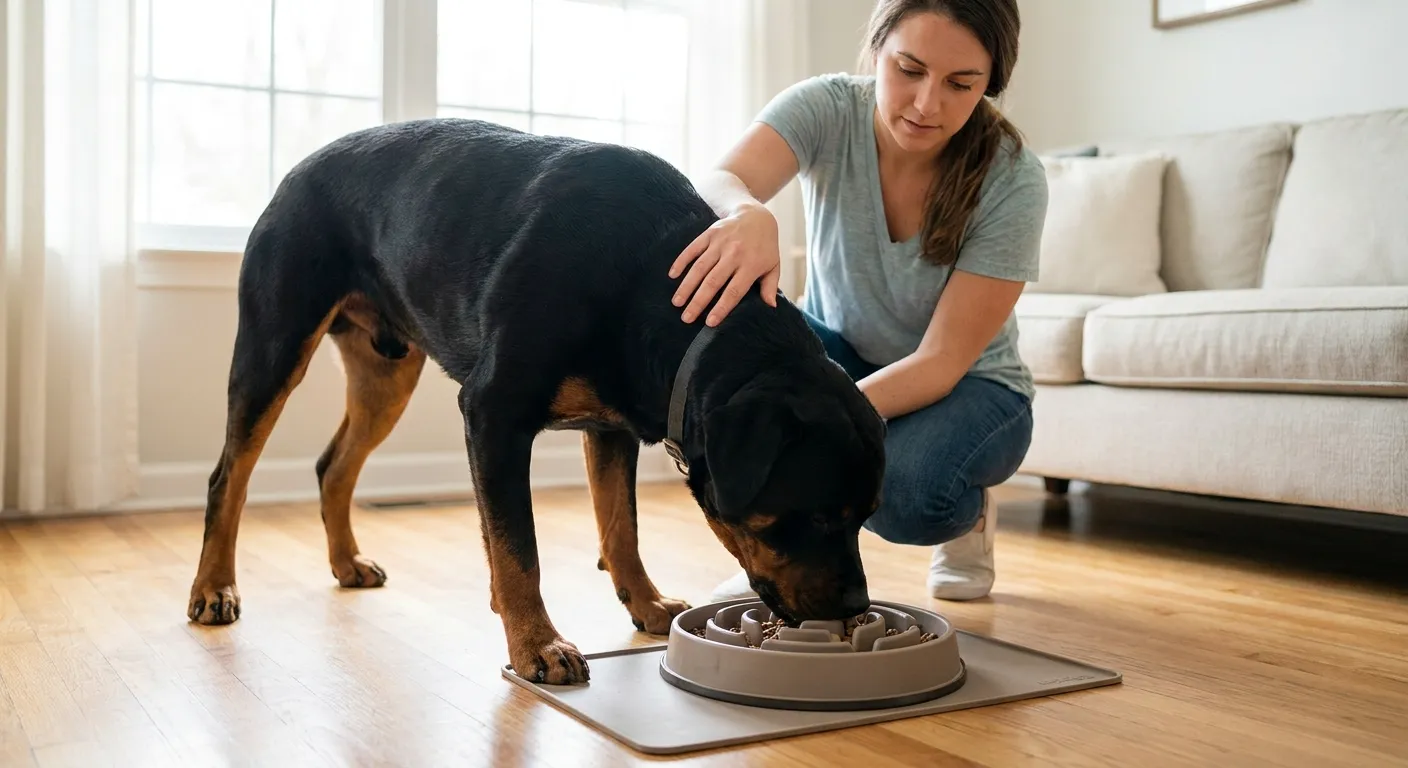
- Slow Down Eating: Use a slow-feeder bowl or place a large, non-edible object (like a clean rock or a sturdy toy) in their regular bowl. This makes them eat around it, preventing them from gulping air. Consequently, digestion improves.
- Avoid Exercise Before/After Meals: Wait at least an hour before and two hours after meals for strenuous activity. A short, calm walk is usually fine, but avoid running, jumping, or rolling.
- Ensure Fresh Water: Always provide access to fresh, clean water. However, avoid allowing your dog to rapidly gulp large quantities immediately after eating. This can introduce excess air.
- Consider Food Type and Quality: Some studies suggest that diets high in fat or certain ingredients might increase bloat risk. Consult your veterinarian about the best diet for your Rottweiler. Quality food is always a good choice.
Exercise Management and Stress Reduction
Beyond feeding, how your Rottweiler exercises and manages stress plays a vital role in preventing bloat. A balanced approach to their daily routine is essential. Furthermore, a calm environment supports overall health.
- Maintain a Calm Environment: Stress and anxiety can affect gastrointestinal function. Provide a stable, predictable routine and a safe space for your Rottweiler. Consequently, their stress levels will decrease.
- Gradual Exercise: Introduce new forms of exercise gradually. Avoid sudden bursts of intense activity, especially after meals.
- Monitor Water Intake During Exercise: Allow your dog to drink small amounts of water frequently during and after exercise, rather than large quantities all at once.
The Role of Prophylactic Gastropexy in Preventing Gastric Torsion
For high-risk Rottweilers, especially those with a family history of bloat, a prophylactic gastropexy can be a life-saving option. This surgical procedure permanently attaches the stomach to the abdominal wall. In fact, it prevents the stomach from twisting (volvulus), though it doesn’t prevent the stomach from dilating with gas. However, it significantly reduces the risk of the most dangerous aspect of bloat. Many vets recommend this procedure. Owners often choose to combine it with spaying or neutering. This is a crucial consideration for Rottweiler bloat prevention in predisposed individuals.
Discussing gastropexy with your veterinarian is highly recommended. They can assess your dog’s individual risk factors. Moreover, they can provide personalized advice. The American College of Veterinary Surgeons offers detailed information on Gastric Dilatation-Volvulus and gastropexy. This resource can help you make an informed decision.
Recognizing the Urgent Signs of Bloat
Even with the best preventative measures, bloat can still occur. Therefore, knowing the signs is critical for immediate action. Time is of the essence when it comes to this condition. Early detection drastically improves survival rates.
- Distended Abdomen: The most obvious sign is a visibly swollen or hard abdomen, often on the left side. It may feel tight to the touch.
- Unproductive Retching: Your dog will try to vomit but nothing or very little comes up. This is a classic and very concerning symptom.
- Restlessness and Pacing: Dogs in pain often cannot get comfortable. They may pace, whine, or frequently change positions.
- Excessive Drooling: Increased salivation can be a sign of discomfort and nausea.
- Weakness and Collapse: As the condition progresses, your dog may become weak, lethargic, or even collapse. Their gums might appear pale.
- Rapid, Shallow Breathing: The enlarged stomach can put pressure on the diaphragm, making breathing difficult.
If you observe any of these symptoms, consider it a veterinary emergency. Do not wait to see if your dog improves. Immediately contact your veterinarian or the nearest emergency veterinary clinic. Every minute counts when dealing with bloat. For further emergency guidance, you can refer to resources like PetMD’s guide on Gastric Dilatation-Volvulus.
Long-Term Management and Lifestyle for Reduced Bloat Risk
Implementing a holistic approach to your Rottweiler’s lifestyle is key for long-term health and reduced bloat risk. This extends beyond just feeding and exercise. It encompasses their overall well-being. Furthermore, consistent routines are beneficial.
Consistent Routine and Regular Vet Check-ups
Maintain a consistent daily routine for feeding, exercise, and rest. Predictability can reduce stress. Regular veterinary check-ups are also crucial. Your vet can monitor your Rottweiler’s health. They can also offer updated advice on Rottweiler bloat prevention. Discuss any changes in your dog’s behavior or appetite. These discussions are important for early detection of any issues.
Hydration and Water Management
While access to fresh water is vital, how your Rottweiler drinks is also important. Avoid large, rapid gulps of water, especially after meals or strenuous activity. Consider offering smaller amounts more frequently. This helps prevent excessive air intake. Furthermore, it aids in proper digestion.
Monitoring and Awareness
Stay vigilant and know your dog’s normal behavior. Any subtle changes could be an early indicator of a problem. Educate family members and anyone who cares for your Rottweiler about the signs of bloat. This collective awareness is a powerful tool for prevention and early intervention. Therefore, everyone involved in your dog’s care should be informed.
Dietary Considerations for Optimal Health and Bloat Prevention
The type of food you feed your Rottweiler can influence their risk of bloat. While there’s no single
Explore more: More from Rottweiler Dog Guide