[be_published_modified_date]
Rottweiler Hip and Elbow Dysplasia: Prevention and Management
For many Rottweiler owners, the phrase Rottweiler hip elbow dysplasia can send a shiver down their spine. These common orthopedic conditions are prevalent in large breeds like our beloved Rottweilers, often leading to pain, lameness, and reduced quality of life. However, understanding these issues and taking proactive steps can significantly mitigate their impact, ensuring your Rottweiler enjoys a vibrant, active life.
At RottweilerDogGuide.com, we believe that proactive care is the best way to ensure a long and vibrant life for your Rottweiler. Early recognition and preventative measures are paramount when it comes to managing the risks associated with hip and elbow dysplasia.
Understanding Rottweiler Hip and Elbow Dysplasia
Hip dysplasia occurs when the ball and socket joint of the hip doesn’t form correctly, leading to looseness and eventual degeneration. Elbow dysplasia is a complex condition involving multiple developmental abnormalities of the elbow joint. Both are largely genetic, but environmental factors like rapid growth, excessive weight, and inappropriate exercise in puppyhood can exacerbate them.
Early Signs to Watch For
Recognizing the subtle signs can make a huge difference. For instance, in puppies, you might notice an unusual gait, reluctance to play, or difficulty getting up. For older dogs, limping, stiffness after rest, a decreased range of motion, or an unwillingness to climb stairs are common indicators. Importantly, do not dismiss these as mere signs of aging; they warrant veterinary attention.
Genetic Predisposition and Screening
Genetics play a significant role in the development of these conditions. Therefore, responsible breeders screen their breeding stock for hip and elbow health. Organizations like the Orthopedic Foundation for Animals (OFA) and PennHIP provide certification for canine hip and elbow health. Consequently, always inquire about the health clearances of a puppy’s parents before bringing a Rottweiler home.
Preventative Strategies for Hip and Elbow Health
Prevention is truly better than cure when it comes to orthopedic issues. A multi-faceted approach focusing on diet, exercise, and environmental control can significantly reduce the risk and severity of hip and elbow problems in your Rottweiler.
Optimizing Nutrition for Growth
Proper nutrition during puppyhood is critical. Rapid growth can put undue stress on developing joints, thereby increasing the risk of dysplasia. Specifically, feed a high-quality large breed puppy food formulated to support controlled growth. Avoid overfeeding, which can lead to excessive weight gain and stress on joints. Moreover, discuss appropriate caloric intake and specific nutrient requirements with your veterinarian.
Controlled Exercise and Activity
While exercise is vital for a Rottweiler’s development, it must be controlled, especially during their first year. High-impact activities such as jumping, extensive running on hard surfaces, and prolonged stair climbing should be limited. Instead, focus on moderate, consistent exercise like short walks and supervised play on soft surfaces. Swimming, for example, is an excellent low-impact exercise that strengthens muscles without stressing joints.
Maintaining a Healthy Weight
Excess weight is a major contributing factor to the progression of hip and elbow dysplasia. Extra pounds place additional strain on joints, accelerating wear and tear. Therefore, monitor your Rottweiler’s weight closely and adjust their diet and exercise as needed. Consult your vet to determine an ideal weight for your dog and establish a suitable feeding plan. This proactive measure is essential for joint longevity.
Managing Diagnosed Hip and Elbow Dysplasia
Even with the best preventative measures, some Rottweilers may still develop hip and elbow issues. Early diagnosis and a comprehensive management plan are key to maintaining their quality of life.
Veterinary Diagnosis and Imaging
If you suspect your Rottweiler has hip or elbow issues, a veterinary examination is crucial. Your vet will perform a physical assessment and may recommend X-rays to confirm the diagnosis and assess the severity of the condition. In some cases, more advanced imaging like CT scans might be necessary, particularly for complex elbow issues. A clear diagnosis helps tailor the most effective treatment plan for managing Rottweiler hip elbow dysplasia.
Non-Surgical Management Options
Many cases of hip and elbow dysplasia can be managed effectively without surgery. These non-surgical approaches aim to reduce pain, inflammation, and improve joint function. They include:
- Pain Management: Non-steroidal anti-inflammatory drugs (NSAIDs) are often prescribed to reduce pain and inflammation. Other medications, such as gabapentin, might be used for neuropathic pain.
- Joint Supplements: Glucosamine, chondroitin, and omega-3 fatty acids can support joint health and potentially slow degeneration. Discuss appropriate dosages and brands with your vet.
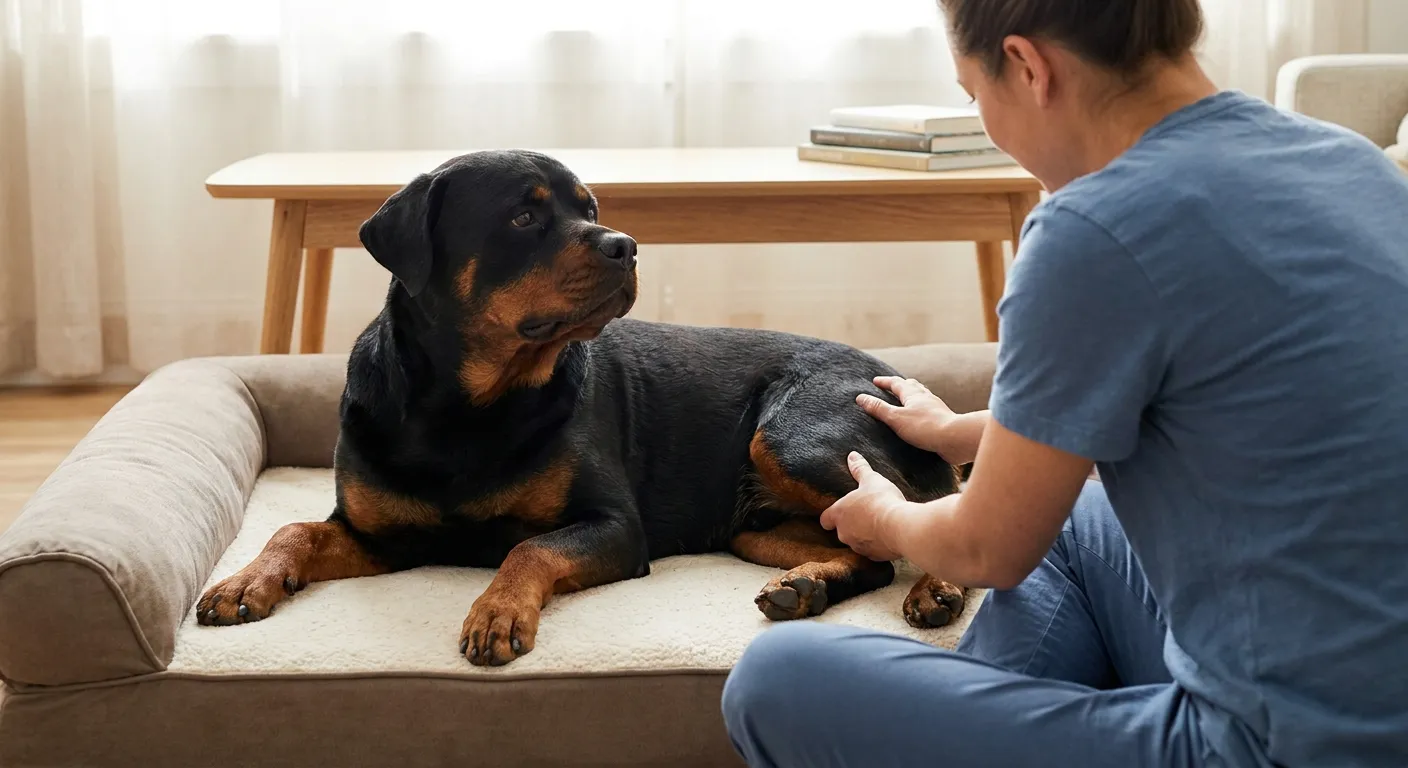
- Physical Therapy: Structured exercise programs, hydrotherapy, and therapeutic massage can strengthen supporting muscles, improve range of motion, and reduce discomfort.
- Weight Management: As mentioned, maintaining an ideal weight is paramount. It reduces stress on affected joints, significantly improving comfort and mobility.
- Environmental Modifications: Provide comfortable, orthopedic bedding. Use ramps or steps to help your dog access elevated surfaces, reducing strain on their joints. Ensure non-slip flooring to prevent falls.
Surgical Interventions
For severe cases or when non-surgical methods are insufficient, surgical options may be considered. These range from procedures that modify the joint to total joint replacement. Common surgical options include:
- Triple Pelvic Osteotomy (TPO) / Double Pelvic Osteotomy (DPO): These procedures are typically performed on younger dogs with hip dysplasia to improve joint congruence.
- Femoral Head Ostectomy (FHO): This involves removing the femoral head, allowing a
Explore more: More from Rottweiler Dog Guide